
Table of Contents
- Evolution of Divorce Rates
- Shift Towards Joint Custody
- Impact on Parent-Child Relationships
- Socioeconomic Factors and Divorce
- Legal Reforms in Family Law
- Psychological Effects on Children
- Support Systems and Resources
- Conclusion
Divorce and child custody arrangements have become prominent factors influencing the structure and evolution of families today. Shifts in social expectations, family law, and economic conditions have led to diverse family formations, prompting families to seek guidance from professionals, such as a family attorney Tampa, for tailored support during these challenging transitions.
With evolving legal standards and increased societal awareness, understanding these shifts is critical for both families and professionals who provide support and resources. These processes not only affect relationships between parents and children but also contribute to how families redefine connection, support, and resilience in the modern era.
Evolution of Divorce Rates
Divorce rates in the United States and other developed countries have been influenced by cultural shifts, changing roles for women, and greater social acceptance of separation. One notable trend is the significant rise in “grey divorce,” with adults aged 50 and older increasingly seeking separation. From 1990 to 2010, the divorce rate for this demographic doubled, transforming the traditional family model and underscoring the lifelong impact of marital breakdowns.
The consequences of these changes ripple outward, affecting not only spouses but also multi-generational family ties and overall family stability. Post-divorce dynamics create new family patterns, prompting society to recognize that family does not end at legal separation but rather adapts to new realities.
Shift Towards Joint Custody
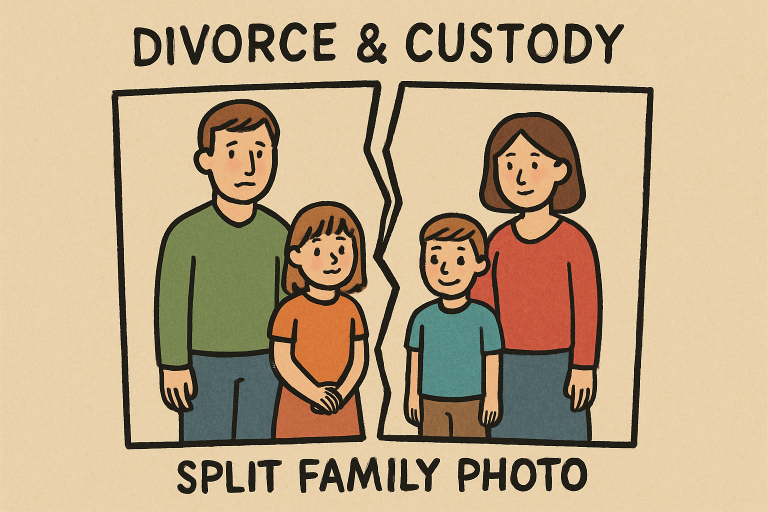
Historically, courts favored awarding sole custody to mothers after divorce, viewing them as primary caregivers. In recent decades, there has been a clear movement toward joint custody arrangements, reflecting research that underscores the value of both parents’ involvement in children’s lives. The share of joint physical custody outcomes rose from just 13% in 1985 to over 34% by 2010.
This trend recognizes that children benefit most when both parents maintain active, meaningful relationships with them. Modern custody agreements increasingly prioritize the child’s best interest, incorporating factors such as parental cooperation, children’s preferences, and mental and physical well-being.
Impact on Parent-Child Relationships
The dissolution of marriage changes the way parents and children connect. Research demonstrates that fathers, especially in cases of grey divorce, are more likely to lose touch with their adult children, while mothers may see those relationships deepened. Intentional communication and shared experiences become crucial for maintaining strong bonds in families separated by divorce.
These shifts highlight the importance of proactive parenting post-divorce. Ensuring children continue to receive love, support, and attention from both parents can help minimize emotional distance and resentment, helping them adjust and thrive in restructured families.
Socioeconomic Factors and Divorce
Financial pressures, such as rising living costs and demanding work schedules, contribute to marital breakdowns. These factors can exacerbate stress, reduce quality family time, and create irreconcilable differences between partners. For many, divorce represents an avenue to restore mental and emotional balance and focus on healthier parenting techniques.
Changing economic conditions can also complicate custody discussions, as parents seek arrangements that best accommodate their work obligations and personal wellness, making qualified legal guidance even more essential.
Legal Reforms in Family Law
The legal landscape has undergone major reforms. Notable among these is the landmark Obergefell v. Hodges decision in 2015, which extended marriage equality nationwide to same-sex couples. This legal shift has increased the visibility of LGBTQ+ families, expanding the definition of family and custody arrangements to be more inclusive.
These reforms reflect changing social values, affirming the importance of legal protections for all family types and paving the way for custody arrangements that prioritize children’s needs, regardless of parental gender or sexual orientation.
Psychological Effects on Children
Children’s emotional and psychological outcomes remain a top priority during and after divorce. A large body of research points to better educational achievement, physical health, and mental well-being for children in shared custody arrangements compared to those in sole custody. These outcomes demonstrate the value of positive co-parenting, communication, and stability for children coping with family transitions.
Support Systems and Resources
Access to resources like counseling services, support groups, and co-parenting education programs is crucial. These support mechanisms teach effective communication and conflict-resolution techniques, guide families through emotional responses, and offer tools for building healthy relationships post-divorce.
Integrating professional guidance into the transition process helps both parents and children process changes, set new boundaries, and discover new strengths as they adjust to redefined family roles.
Conclusion
Divorce and contemporary child custody arrangements reshape not just families but also community understanding of kinship, obligation, and support. Informed by evolving laws, research, and professional insight, families can navigate these transitions with empathy and adaptability. By prioritizing well-being, embracing available resources, and honoring evolving relationships, modern families demonstrate resilience and capacity for renewal in the face of change.