
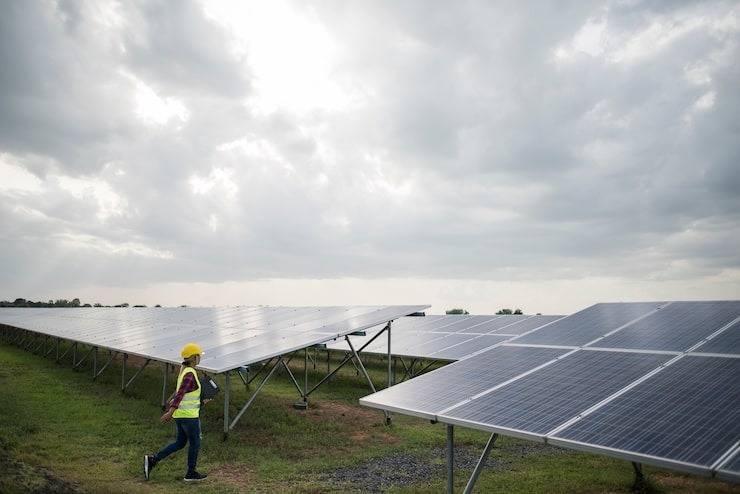
Getting reliable electricity still proves tough in many far-off areas. Mountain towns, island groups, and countryside spots often deal with steep expenses and long waits to get connected to standard power grids. Decentralized energy setups can serve as a smart fix in these cases. One promising method is installing Floating Solar Panel systems to produce clean energy on nearby lakes or reservoirs.
Why Off-Grid Power Makes Sense for Remote Areas
Remote places experience unique challenges in accessing electricity:
- The grid infrastructure sits far away
- Building transmission lines costs a lot
- Rough landscapes like mountains dense forests, or waterways cause complications
- Small populations make traditional grid systems less practical
Due to these reasons, off-grid systems can be the most practical choice in certain cases. Solar PV plays an important part here by generating energy without needing big infrastructure.
What Does Floating Solar PV Mean?
Floating solar involves placing solar panels on water surfaces rather than on land. Panels are attached to platforms that float and stay anchored in place.
You often find these setups on:
- Lakes
- Ponds used for irrigation
- Reservoirs
- Bodies of industrial water
This method allows areas that lack land to still harness solar energy.
Big Benefits in Isolated Areas
Floating solar has many perks that make it ideal to meet off-grid power needs:
Space Is Used
- Land clearing or disturbing natural habitats is unnecessary.
- These systems work well in places where land is limited or costly.
Better Energy Performance
- Water cools the panels.
- Cooler panels work more than land-based ones.
Less Water Loss
- Panels cast shade over the water’s surface.
- This shading helps save water in areas prone to dryness.
Cheaper Infrastructure
- No large-scale land preparation is needed.
- These can be set up closer to where the power is used.
Supporting Power Needs in Remote Areas with Floating Solar
Floating solar setups can act as independent power sources to serve local communities .
1. Producing Local Energy
Power gets produced close to where it’s needed, which cuts down on transmission losses and costs.
2. Mixed Energy Systems
You can pair floating solar systems with:
- Batteries to store energy
- Diesel generators as backup sources
This setup can keep electricity running when sunlight is low.
3. Flexibility in Expansion
Projects can kick off small and grow over time, depending on how much power people need.
4. Dependable Energy Access
- Provides power to run lights, water pumps, and communication tools
- Boosts education, healthcare services, and helps local businesses thrive
Real-World Uses in Distant Areas
Floating solar can meet different kinds of needs:
- Rural electrification: Supplying power to homes and small businesses
- Agriculture: Operating pumps for irrigation and storage facilities
- Healthcare: Providing electricity to clinics and critical medical tools
- Education: Powering schools and digital devices for learning
Key Challenges to Address
The benefits are clear, but some obstacles exist:
- The setup can demand large upfront expenses
- Skilled workers are needed to handle maintenance
- Conditions like water depth and waves require detailed analysis
- Some regions might need formal approvals to move forward
Still, with thoughtful plans and the right support, it’s possible to handle these issues.
Need for Policy and Funding
To expand floating solar in rural areas, backing from governments and private investors is essential.
Key steps include:
- Offering subsidies to boost renewable energy projects
- Organizing training programs to teach skills to local technicians
- Forming partnerships between the public and private sectors
- Providing ways to fund rural energy projects
These actions can speed up how renewables are adopted and can help minimize expenses.
What’s Ahead
Floating solar looks set to grow as nations search for real solutions to scale up clean energy. It can provide remote regions with steady and eco-friendly power.
With advances in technology, these systems will:
- Last longer
- Be simpler to install
- Cost less
This will make them an even better fit to use in areas without a grid.
Wrapping Up
Floating solar offers a useful way to bring electricity to remote places that lack proper access. Using water surfaces avoids issues related to finding land while still providing reliable energy production. When paired with energy storage and smart planning, it can meet energy demands in remote areas for the long term.
Groups like Leadvent Group help make these solutions more effective. Their events gather industry experts, developers, and investors to trade ideas and share real-life examples of floating solar projects. These conversations spark new ideas and encourage the use of energy systems designed for off-grid needs.
FAQs
1. Can floating solar work on any water body?
Floating solar works well on still surfaces such as reservoirs or lakes. Places with strong currents or rough waters might need custom designs.
2. How is floating solar different from land-based solar systems?
Floating solar panels often run more because water helps keep them cool. Setting them up and keeping them working can be a bit trickier, though.
3. Can floating solar take over from diesel generators in remote areas?
It can help cut down a lot on diesel usage in many situations. Paired with batteries, it can even serve as a dependable main power source .