
Have you ever wondered what happens to your steak between the farm and your front door? How do those premium cuts arrive looking and tasting just as good as what you’d find at your local butcher? And what separates a reliable fresh meat delivery service from one that leaves you disappointed?
These questions matter more than ever. With more Australians turning to online shopping for their weekly groceries, understanding how the fresh meat delivery system works can help you make smarter choices. After all, meat is often the centrepiece of our meals, and nobody wants to compromise on quality when feeding their family.
In this guide, we’ll explore everything you need to know about fresh meat delivery. You’ll discover how professional butchers store meat to keep it in peak condition, learn how to check meat quality before cooking, and understand what makes the highest-quality meat delivery services stand out from the crowd. Plus, we’ll tackle common concerns about ordering meat online and share practical tips for safely storing your delivery at home. Let’s get stuck into it.
Understanding the Meat Delivery Business
How the Modern Meat Delivery System Works
The meat delivery system has come a long way from simple refrigerated trucks. Today’s operations rely on sophisticated logistics that rival major retail chains. From the moment an animal is processed, every step is carefully monitored and controlled.
Modern meat suppliers use integrated tracking systems that follow each cut from processing to your doorstep. This means temperature logs, handling records, and delivery timestamps are all recorded. It’s not just about getting meat from A to it’s about maintaining perfect conditions throughout the journey.
What’s more, many premium suppliers now offer same-day or next-day delivery. This speed isn’t just convenient; it’s essential for maintaining freshness. The shorter the time between processing and consumption, the better your meat will taste.
What Sets the Highest Quality Meat Delivery Services Apart
Not all delivery services are created equal. The highest quality meat delivery providers distinguish themselves through attention to detail at every stage. They source from trusted farms, employ skilled butchers, and invest heavily in cold chain infrastructure.
These top-tier services often provide detailed information about their products. You’ll find specifics about breed, feed, and ageing processes. Transparency builds trust, and the best operators understand this completely.
Customer service also plays a massive role. Reliable suppliers offer guarantees, easy returns, and responsive communication. When something goes wrong—and occasionally it does—how a company handles it tells you everything about their values.
How to Check Meat Quality Before You Buy
Visual Indicators of Fresh, High-Quality Meat
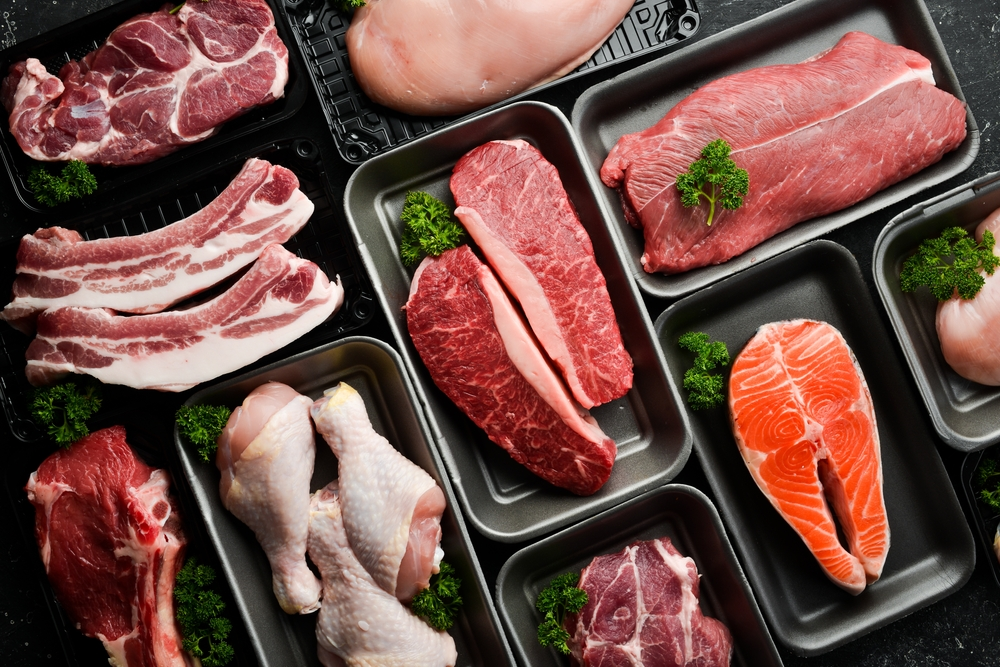
Knowing how to check meat quality empowers you as a consumer. Fresh beef should appear bright cherry-red when exposed to air. Lamb tends toward a lighter red with white fat. Pork should be pale pink with minimal marbling.
Avoid meat with grey or brown patches, excessive liquid in the packaging, or an iridescent sheen. These signs suggest the product has been sitting too long or wasn’t stored properly.
Fat colour matters too. White or creamy fat indicates fresh, well-handled meat. Yellowing fat can suggest age or poor storage conditions.
Good Steak Marbling vs Bad: What to Look For
Understanding good steak marbling vs bad transforms your buying decisions. Marbling refers to those white streaks of intramuscular fat running through the meat. Good marbling means thin, evenly distributed lines throughout the cut.
Poor marbling appears chunky, unevenly distributed, or concentrated in just one area. While some cuts naturally have less marbling than others, the pattern should always look consistent and refined.
Excellent marbling typically indicates a well-fed animal and careful ageing. This fat melts during cooking, basting the meat from within and creating that melt-in-your-mouth texture everyone loves.
Understanding Smell and Texture
Fresh meat should smell clean and slightly metallic—not offensive in any way. Strong, sour, or ammonia-like odours indicate spoilage. Trust your nose; it’s remarkably good at detecting problems.
Texture provides equally valuable information. Fresh meat feels firm and springs back when pressed gently. Slimy surfaces or sticky residues are warning signs you shouldn’t ignore.
When ordering online, you obviously can’t check these things beforehand. This makes choosing reputable suppliers even more important—they do this quality checking for you.
The Journey from Paddock to Your Door
Sourcing Practices of Premium Meat Suppliers
Premium suppliers build relationships with specific farms and producers. They know where their animals come from, how they’re raised, and what they’re fed. Many work exclusively with grass-fed or free-range operations.
Traceability isn’t just a buzzword; it’s essential for quality assurance and food safety. The best meat delivery businesses can tell you exactly which property supplied your specific cut.
How Delivery Services Preserve Freshness in Transit
During delivery, insulated packaging and refrigerants maintain safe temperatures for hours. Many services guarantee delivery within specific windows to minimise time spent in transit.
Some providers use real-time temperature monitoring during shipping. This technology alerts them if something goes wrong, allowing immediate intervention to protect your order.
Australian Standards for Meat Quality and Safety
Australian meat production follows strict regulations enforced by bodies like Food Standards Australia New Zealand. These standards cover everything from animal welfare to processing hygiene and cold chain management.
These regulations aren’t just paperwork—they represent some of the world’s highest food safety standards. When you buy Australian meat, you’re getting products backed by rigorous oversight.
Choosing Quality You Can Trust
Finding a reliable fresh meat delivery service often comes down to doing a bit of research, asking the right questions, and sometimes going through a little trial and error. The best suppliers are transparent about where their meat comes from, maintain strict cold-chain management during storage and transport, and confidently stand behind their products with genuine quality guarantees.
By now, you should have a clearer understanding of how butchers store meat, how to check meat quality before cooking, and what separates excellent marbling from poor-quality cuts. This knowledge helps you make more informed choices when selecting a meat delivery provider.
Whether you’re looking for premium steaks for a special occasion or high-quality mince for everyday meals, fresh meat delivery offers convenience without sacrificing standards. Choose a trusted supplier, and you can enjoy butcher-quality meat delivered straight to your kitchen—ready to cook and serve.