
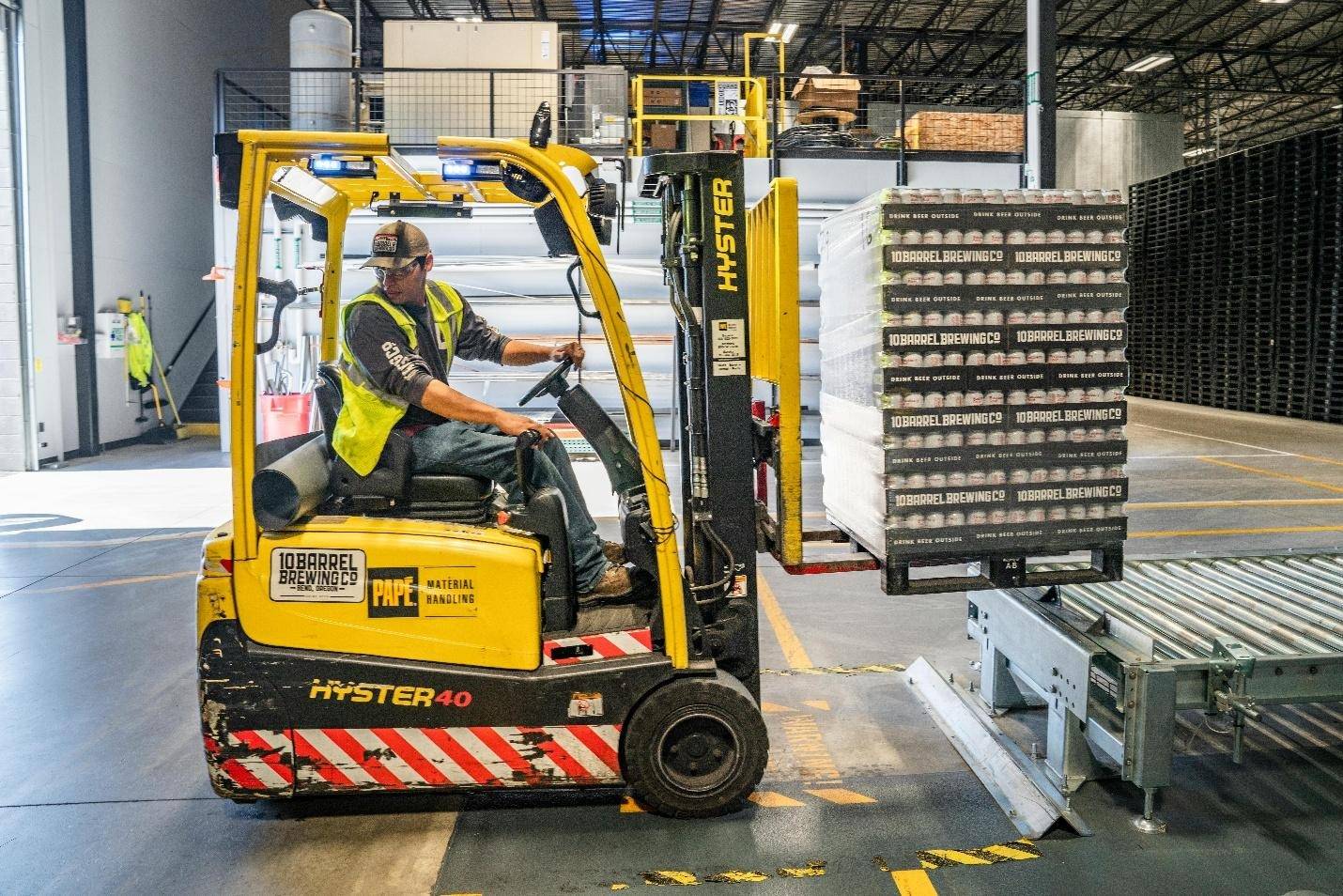
Photo by Pexels
Supply chains are the backbone of global commerce, and their efficiency directly impacts the success of businesses across industries. In recent years, technological advancements have revolutionized logistics, introducing intelligent systems that streamline operations, reduce costs, and improve customer satisfaction. Intelligent logistics leverages data analytics, automation, and real-time visibility to create smarter, more agile supply chains. This article explores how these innovations are reshaping the logistics landscape and why they matter for businesses today.
Real-Time Visibility and Data-Driven Decisions
One of the most significant benefits of intelligent logistics is real-time visibility. Traditional supply chains often suffer from blind spots, making it difficult to track shipments or anticipate delays. Intelligent systems use sensors, GPS tracking, and cloud-based platforms to provide continuous updates on inventory and transportation status. This transparency enables businesses to make data-driven decisions, respond quickly to disruptions, and maintain accurate delivery timelines. As a result, companies can reduce uncertainty and improve overall efficiency.
Automation and Robotics in Warehousing
Automation has become a cornerstone of modern logistics. From robotic arms that handle sorting and packaging to automated guided vehicles (AGVs) that move goods within warehouses, these technologies minimize human error and accelerate processes. Intelligent logistics systems integrate automation with predictive analytics, ensuring that resources are allocated efficiently. This not only reduces labor costs but also enhances safety and productivity, allowing businesses to meet growing consumer demands without compromising quality.
Enhancing Transportation Efficiency
Transportation is a critical component of supply chains, and optimizing it can lead to significant cost savings. Intelligent logistics platforms analyze traffic patterns, weather conditions, and fuel consumption to determine the most efficient routes. They also enable dynamic scheduling, allowing companies to adjust delivery plans in real time. Advanced solutions incorporate fleet management tools that monitor vehicle performance, track driver behavior, and schedule maintenance proactively. By leveraging these insights, businesses can reduce downtime, extend vehicle lifespan, and ensure timely deliveries.
Sustainability Through Smart Solutions
Environmental responsibility is no longer optional—it’s a necessity. Intelligent logistics supports sustainability by optimizing routes to reduce fuel consumption, minimizing packaging waste, and improving load efficiency. Many systems also provide carbon footprint tracking, enabling companies to measure and report their environmental impact. By adopting these practices, businesses not only comply with regulations but also appeal to eco-conscious consumers, strengthening their brand reputation in a competitive market.
The Role of Artificial Intelligence and Predictive Analytics
Artificial intelligence (AI) and predictive analytics are driving the next wave of innovation in logistics. These technologies analyze historical data and market trends to forecast demand, identify potential disruptions, and recommend proactive measures. For example, AI can predict inventory shortages and suggest alternative suppliers before issues arise. This level of foresight empowers businesses to maintain continuity and avoid costly delays, making supply chains more resilient and adaptable.
Conclusion
Intelligent logistics is transforming supply chains by introducing real-time visibility, automation, and predictive capabilities that enhance efficiency and sustainability. Businesses that embrace these innovations can reduce costs, improve customer satisfaction, and stay competitive in an increasingly dynamic marketplace. As technology continues to evolve, intelligent logistics will remain a key driver of progress in global commerce.