
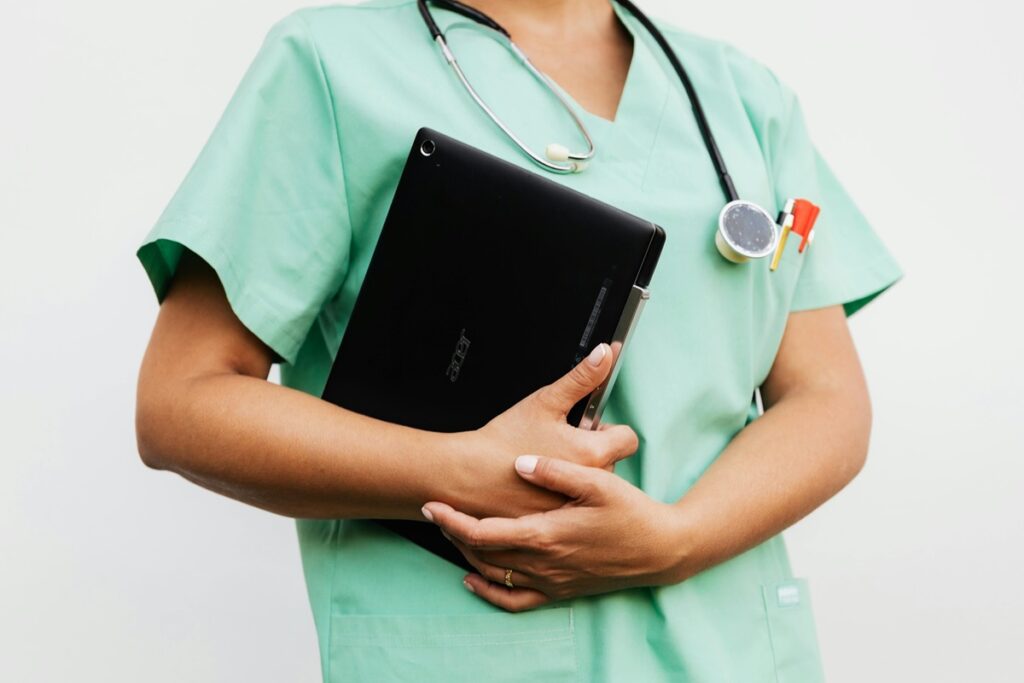
Hospitals are designed to promote healing, but they are also complex environments where staff manage high patient volumes, demanding schedules, and evolving clinical risks. Reducing staff exposure to infectious agents, hazardous materials, and unnecessary contact points is essential for ensuring the safety of both healthcare workers and patients. When exposure decreases, efficiency improves, errors decline, and patients benefit from more consistent and attentive care. Hospitals that prioritize protective protocols build stronger systems that support overall well-being.
Limiting Exposure Helps Protect Clinical Staff Health
Healthcare workers interact with a wide variety of patients and conditions each day. This constant activity places them at higher risk for illness or injury. When hospitals implement strategic measures to limit exposure, staff have fewer chances to come into contact with infectious diseases or harmful substances. Protective equipment, smart room design, improved ventilation, and workflow adjustments all play meaningful roles.
Healthy clinical staff can maintain stronger performance and more reliable schedules. Reduced sick days and lower stress levels lead to more continuity in patient care. Patients benefit when nurses, physicians, and support workers are able to operate at full capacity. A workforce that feels protected is also more confident and focused, which directly influences the quality of the care they deliver.
Streamlining Workflows Minimizes Unnecessary Contact
Hospital routines often involve repeated visits, redundant checks, or manual processes that increase exposure without improving patient outcomes. When hospitals evaluate their workflows through a safety-focused lens, they can adjust procedures to reduce unnecessary contact. For example, centralized digital monitoring can minimize repeated entry into patient rooms while still ensuring high-quality oversight. Automated medication systems reduce manual handling and reduce error risks.
Cleaner, more efficient workflows shorten the time staff spend in high-risk areas. They also provide more space for employees to respond promptly when patients truly need in-person attention. This balance provides patients with safer and more personalized care. The goal is not to remove human interaction but to eliminate steps that add risk without adding value.
Training and Preparedness Strengthen Protective Practices
Knowledge is one of the strongest tools for exposure reduction. Hospitals that invest in ongoing staff education give their teams the resources they need to recognize risks and protect themselves effectively. Training on proper sanitation, use of personal protective gear, isolation techniques, and safe handling of materials ensures that workers follow evidence-based protocols consistently.
When staff understand why safety measures matter, compliance increases. Preparedness also improves when hospitals conduct regular drills, update policies, and incorporate lessons from recent public health challenges. This proactive culture empowers workers to identify gaps and improve safety measures before issues escalate. A well-trained staff not only protects themselves but also contributes to safer patient environments.
Reducing Exposure Helps Prevent the Spread of Infection
Hospital acquired infections significantly impact patient outcomes. They can prolong recovery, increase treatment costs, and create additional complications. Reducing exposure among staff directly limits opportunities for pathogens to spread within the facility. Proper isolation procedures, environmental cleaning strategies, and efficient use of protective equipment help stop infections at their source.
Patients also feel more confident in hospitals that demonstrate strong infection control practices. Improved systems can benefit diverse patient populations, including those receiving specialized services such as free Hep C treatment in Florida, where strict clinical protocols help safeguard both patients and providers. Maintaining a high standard of hygiene and exposure prevention supports patient recovery and builds public trust in healthcare systems.
Technology Reduces Exposure While Enhancing Care Quality
Advances in hospital technology create powerful opportunities to reduce exposure while improving patient outcomes. Telehealth tools allow clinicians to evaluate certain conditions remotely. Remote monitoring systems track vitals without constant room entry. Robotic support tools manage routine tasks like disinfection or the delivery of supplies. These innovations allow staff to focus on patient interactions that truly require their clinical judgment.
Technology also provides greater accuracy. Automated alerts, digital documentation, and electronic medication systems reduce the likelihood of human error. As a result, hospitals can deliver safer, more precise care while minimizing unnecessary exposure for workers. Patients experience smoother transitions, stronger communication, and better overall outcomes.
Conclusion
Reducing staff exposure is a vital part of creating safer, more effective hospital environments. When workers face fewer risks, they can deliver more focused care, maintain better health, and support consistent patient experiences. Streamlined workflows, training programs, infection control practices, and modern technology all contribute to a system that protects both staff and patients. Hospitals that commit to these improvements cultivate healthier workplaces and elevate the quality of care across every department.