
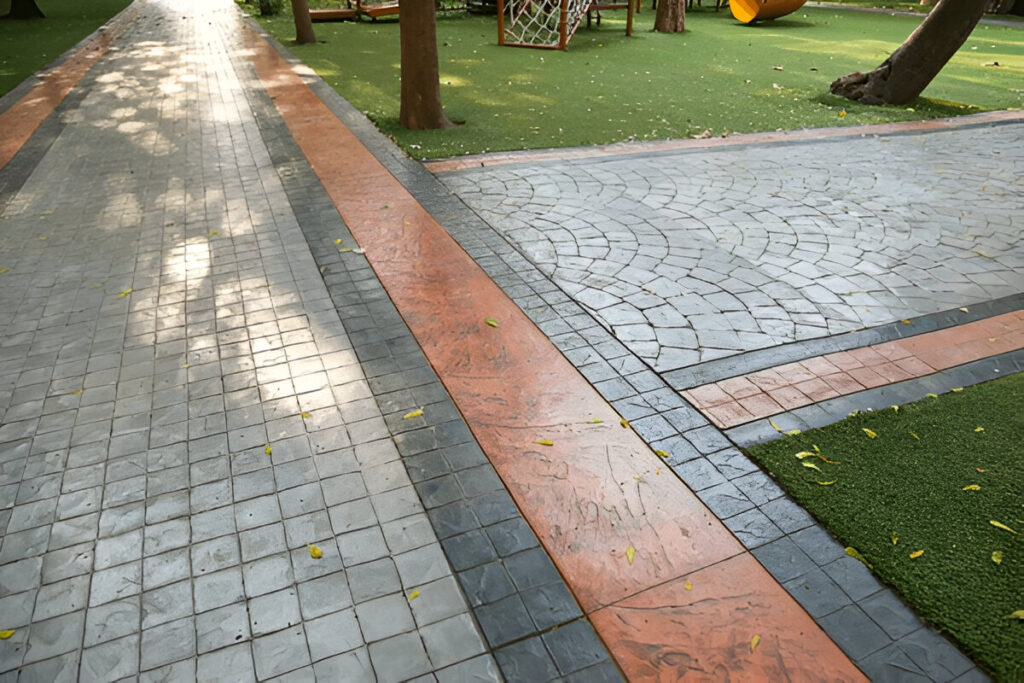
Have you ever watched rainwater pool on your driveway after a storm and wondered where it all goes? Are you tired of dealing with flooding issues around your property? What if there were a paving solution that actually worked with nature rather than against it? Permeable paving is quickly becoming the go-to choice for Australian homeowners who want to manage stormwater effectively while creating stunning outdoor spaces. Unlike traditional concrete or asphalt, these innovative surfaces allow water to filter through naturally, reducing runoff and helping to replenish groundwater supplies. It’s a win-win for both your property and the environment.
In this guide, we’ll walk you through everything you need to know about implementing permeable paving solutions on your property. From understanding how these surfaces work to exploring installation costs and maintenance requirements, you’ll have all the information needed to
make an informed decision. Whether you’re planning a new driveway, patio, or outdoor entertaining area, this article will help you get started on the right foot.
What Is Permeable Paving And How Does It Work?
The Science Behind Permeable Surfaces
Permeable paving operates on a beautifully simple principle. Instead of creating a solid barrier that forces water to run off into drains and waterways, these surfaces feature gaps, pores, or channels that allow rainfall to seep through gradually.
The magic happens beneath the surface. Water passes through the paving material and into a carefully constructed base layer of crushed stone or gravel. This base acts like a giant sponge, storing water temporarily before it slowly infiltrates into the soil below. Along the way, natural filtration processes help remove pollutants and sediments.
Think of it like a natural forest floor. When rain falls on leaves and soil, it doesn’t immediately rush away—it soaks in, gets filtered, and eventually joins underground water systems. Permeable paving mimics this natural process in urban and suburban settings.
Types Of Permeable Paving Materials
You’ve got plenty of options when it comes to choosing your permeable surface. Permeable pavers are individual blocks with small gaps filled with gravel or grass, allowing water through the joints. Porous concrete and asphalt contain tiny voids throughout the material itself.
Grass pavers feature a grid system that supports vehicle weight whilst allowing grass to grow through. Gravel systems use stabilisation grids to keep stones in place whilst maintaining excellent drainage. Each material offers different aesthetics and performance characteristics, so there’s something to suit every property style.
Benefits Of Installing Permeable Paving Solutions
Stormwater Management And Flood Prevention
Australia’s increasingly unpredictable weather patterns make effective stormwater management more important than ever. Permeable paving significantly reduces the volume and speed of runoff from your property. This means less strain on local drainage systems and a lower risk of
localised flooding.
For properties in flood-prone areas, this can be genuinely transformative. By allowing water to absorb on-site rather than rushing towards streets and neighbouring properties, you’re actively contributing to community flood resilience.
Environmental Advantages
The environmental benefits extend well beyond flood prevention. Permeable surfaces help filter pollutants like oil, heavy metals, and sediments before they reach waterways. This natural filtration process improves local water quality significantly.
Plus, these paving systems help combat the urban heat island effect. Traditional dark surfaces absorb and radiate heat, making built-up areas noticeably warmer. Permeable paving, particularly grass-based options, stays cooler and can help reduce ambient temperatures around your
home.
Cost Savings Over Time
Whilst the upfront investment might be higher than traditional paving, permeable solutions often prove more economical in the long run. Reduced stormwater charges, lower irrigation needs, and minimal drainage infrastructure requirements all contribute to ongoing savings.
Many local councils across Australia also offer incentives for installing water-sensitive urban design features, including permeable paving. It’s worth checking with your local authority to see what rebates might be available.
Is Permeable Paving Suitable For Driveways?
Load-Bearing Considerations
One of the most common questions homeowners ask is whether permeable paving can handle the weight of vehicles. The good news is that properly installed permeable systems can absolutely support cars, utes, and even heavier vehicles.
The key lies in the sub-base construction. A well-designed base layer distributes weight evenly and provides the structural support needed for regular vehicle traffic. The paving material itself must also be rated for vehicular use—not all permeable options are created equal in this regard.
Best Permeable Options For Residential Driveways
For driveways, interlocking permeable pavers tend to be the most popular choice. They’re durable, attractive, and available in numerous colours and patterns. Porous concrete is another excellent option that provides a more uniform appearance.
Grass pavers work well for properties with lighter traffic or where a more natural look is desired. They’re particularly suited to Australian homes with generous front gardens where you want the driveway to blend seamlessly with the landscape.
How Much Does Permeable Paving Cost In Australia?
Material Cost Comparisons
Permeable paving materials typically cost between $50 and $150 per square metre, depending on the type you choose. Basic gravel systems sit at the lower end, whilst high-quality interlocking pavers command premium prices.
Porous concrete generally falls in the mid-range, offering good value for larger areas. Grass paver systems vary widely based on the grid material and grass type selected.
Installation Expenses
Installation costs add considerably to your total budget. Labour and base preparation typically range from $40 to $100 per square metre. Complex sites with poor drainage or difficult access may cost more.
Professional installation is highly recommended for driveways and large areas. The sub-base construction is crucial to long-term performance and getting it wrong can lead to costly repairs down the track.
Long-Term Value vs Upfront Investment
When comparing costs, consider the bigger picture. Traditional paving plus drainage infrastructure often matches or exceeds permeable paving costs. Factor in potential council rebates, reduced stormwater fees, and lower maintenance requirements, and permeable solutions frequently offer better overall value.
Step-By-Step Guide: How To Install Permeable Paving
Site Assessment And Preparation
Start by evaluating your site’s soil type, slope, and existing drainage patterns. Sandy soils drain beautifully, whilst clay requires additional consideration. Mark out your area and excavate to the required depth—typically 300-400mm for driveways.
Remove any organic material and ensure the subgrade is level and compacted. Install edge restraints to keep everything in place over time.
Base Layer Installation
The base layer is your foundation for success. Lay geotextile fabric over the subgrade to prevent soil migration. Add crushed aggregate in layers, compacting each one thoroughly. A typical base includes a storage layer of 20-40mm aggregate topped with a bedding layer of finer material.
Laying the Permeable Surface
Install your chosen paving material according to the manufacturer’s specifications. For pavers, maintain consistent joint widths and fill with appropriate aggregate. Porous concrete requires specialised equipment and expertise for proper installation.
Finishing and Compaction
Complete the installation with final compaction using a plate compactor. Fill all joints completely and sweep away excess material. For grass pavers, add soil and seed or turf to the grid openings.
Common Mistakes to Avoid When Installing Permeable Paving
Skimping on base depth is perhaps the most common error. Inadequate excavation leads to poor performance and structural failure. Using inappropriate fill materials in joints restricts water flow—always use specified aggregate sizes.
Ignoring edge restraints allows pavers to shift and gaps to widen unevenly. Forgetting about overflow provisions during heavy rainfall events can cause problems. Finally, neglecting maintenance leads to premature clogging and reduced effectiveness.
Making the Right Choice for Your Property
Permeable paving represents a smart, sustainable approach to outdoor surfaces that benefits both your property and the broader environment. From effective stormwater management to long-term cost savings, the advantages are compelling for Australian homeowners facing increasingly variable weather conditions.
The key to success lies in choosing the right material for your specific application, ensuring professional-quality installation, and committing to regular maintenance. Whether you’re tackling a small patio or transforming your entire driveway, permeable solutions offer durability, functionality, and environmental responsibility rolled into one.
Ready to take the next step? Start by assessing your property’s needs and consulting with local suppliers about the best options for your situation. Your future self—and your local waterways—will thank you for making the switch to permeable paving. It’s an investment that truly pays dividends for years to come.