
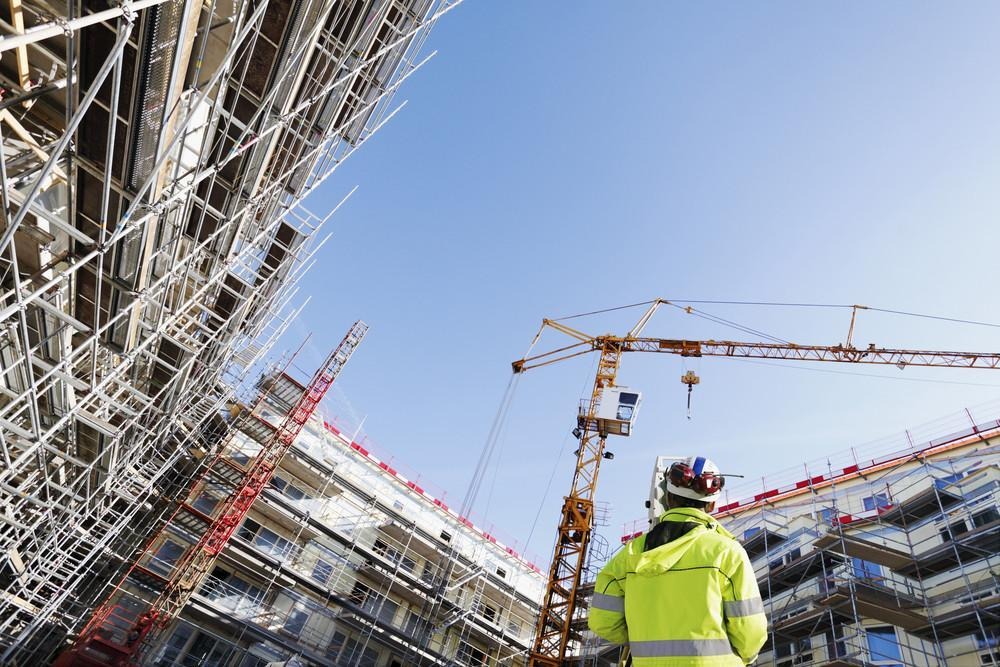
Construction sites are busy, fast-moving environments where a lot can change in a single day. Between heavy equipment, elevated work areas, and tight deadlines, safety has to stay front and center at all times. Keeping a construction crew safe isn’t just about following rules. It’s about building habits, routines, and awareness that protect everyone on site and support long-term productivity.
Safety matters because the risks are very real. According to Health and Safety International, well over 150,000 workers are injured annually in the construction industry. That number alone shows how common on-the-job incidents can be when safety practices slip or get overlooked. Preventing injuries starts with understanding where risks come from and taking practical steps to reduce them every day.
Clear Communication on the Jobsite
Clear communication is one of the most effective safety tools available. Before work begins, crews should know what tasks are scheduled, what equipment will be used, and where potential hazards exist. Daily briefings help align everyone on expectations and give workers a chance to ask questions or raise concerns.
When communication stays consistent, crews are less likely to make assumptions that lead to accidents. Open dialogue also helps newer workers feel more comfortable speaking up, which can prevent small issues from turning into serious safety problems.
Ongoing Training and Skill Development
Training plays a major role in job-site safety. Workers should understand how to operate tools correctly, recognize warning signs, and respond to unexpected situations. Training shouldn’t be treated as a one-time requirement.
Refresher sessions help reinforce good habits and introduce updated safety practices as projects evolve. When workers feel confident in their knowledge, they’re more likely to work carefully and follow established procedures throughout the day.
Proper Use of Personal Protective Equipment
Personal protective equipment is another critical part of keeping crews safe. Hard hats, gloves, eye protection, and high-visibility clothing reduce the impact of many common jobsite hazards. PPE works best when it fits properly and is used consistently.
Making protective gear easy to access and replacing worn items encourages regular use. When crews view PPE as a normal part of the workday rather than an inconvenience, overall safety improves across the site.
Equipment Awareness and Handling
Equipment management affects jobsite safety more than many people realize. According to Reservety, 84% of construction companies in the United States rent equipment instead of buying it. Rental equipment provides flexibility, but it also means crews may work with unfamiliar machinery.
Reviewing operating instructions, safety features, and inspection steps before use helps reduce errors. Taking a few extra minutes to understand equipment can prevent injuries and costly downtime.
Maintaining a Clean and Organized Jobsite
Housekeeping is often overlooked, but it plays a big role in accident prevention. Cluttered walkways, loose materials, and poorly marked areas increase the risk of slips, trips, and falls.
Keeping the jobsite organized makes movement safer and supports better efficiency. Simple habits like end-of-shift cleanup and proper tool storage help maintain a safer working environment day after day.
Leadership, Supervision, and Accountability
Supervision helps reinforce safe behavior across the crew. When leaders model good safety practices, workers are more likely to follow their example. Addressing unsafe actions early keeps small issues from escalating.
Accountability doesn’t mean punishment. It means creating a culture where everyone feels responsible for their own safety and the safety of those around them.
Managing Fatigue and Workload
Fatigue management is another important factor in construction safety. Long hours, extreme weather, and physically demanding tasks can wear workers down over time. Fatigue increases the likelihood of mistakes and slows reaction times.
Encouraging breaks, hydration, and realistic schedules supports alertness and focus. A well-rested crew is better prepared to handle changing job-site conditions.
Safety Planning in a Growing Industry
Safety planning becomes even more important as the construction industry continues to expand. According to IBISWorld, there are over 67,786 businesses in the US commercial construction industry. With so many active projects nationwide, consistent safety standards help protect workers while keeping operations on track.
Companies that prioritize safety often experience fewer delays, lower injury-related costs, and stronger crew morale over time.
Keeping a construction crew safe on the job requires daily commitment, not occasional attention. Communication, training, equipment awareness, and organization all play a role in reducing risk. When safety becomes part of the routine rather than an afterthought, crews can focus on producing quality work with confidence. A safer jobsite supports healthier workers, smoother projects, and better outcomes for everyone involved.