
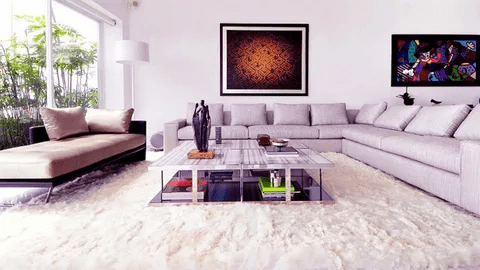
You spent real time putting your living room together. The sofa is great. The coffee table works perfectly. But standing in the doorway, something still feels off. The room looks assembled rather than designed. That disconnected feeling almost always comes down to one thing. The relationship between the rug and the furniture is not working. A rug sitting under furniture with no visual connection to it does not create calm. It creates an unresolved feeling that quietly bothers you every time you walk in.
This guide fixes that. Clear principles. Practical advice. Room-by-room guidance from the ground up.
The Foundation
Rugs and furniture are the two most dominant visual elements in any room. Everything else plays a supporting role. When they work together, the room feels anchored. The furniture looks like it belongs exactly where it sits. When they clash, the eye bounces between competing elements looking for somewhere to settle. That is the persistent discomfort people feel in rooms that never quite come together. Stop searching for a better rug in isolation. Start looking for one that has a genuine visual relationship with what you already own.
Proportion and Scale Before Anything Else
Before color. Before pattern. Before style. Proportion is the first decision and the most impactful one. An undersized rug under perfectly matched furniture still looks wrong. The visual balance is off, and nothing fixes it. For living rooms, the rug should accommodate the front legs of all main seating pieces. For dining rooms, it must extend far enough that chair legs stay on it when pulled out. For bedrooms, it should extend on both sides of the bed far enough to land each morning softly.
When choosing between two sizes, always go bigger. A generous rug looks deliberate. An undersized one looks like a last-minute compromise. Use the painter’s tape trick first. Mark your intended dimensions on the floor and live with that outline for a full day before spending anything.
Understanding Color Relationships
Forget the formal color wheel lesson. Here is what actually matters when you are standing in a rug store trying to decide. Your furniture has a temperature. Warm-toned pieces want a rug that shares or complements that warmth. Cool-toned pieces pair more naturally with cooler rug tones. The easiest most reliable method is pulling one color that already exists in your furniture and echoing it in the rug. Not matching exactly. Just echoing.
Neutral rugs offer the most flexibility. A soft beige rug works with an enormous range of furniture colors because it does not compete. It creates a calm foundation that lets the furniture do the talking.
Matching Rug Color to Specific Furniture Colors
Brown and warm wood tones pair naturally with warm cream, ivory, terracotta, and soft gold rugs. Cool grays and stark whites tend to fight against the warmth of wood.
Gray furniture is more flexible than most people expect. Warm grays suit blush, dusty rose, and cream rugs. Cool charcoal grays work well with navy teal and geometric cooler palettes.
White and cream furniture needs warmth from the rug to avoid feeling clinical. A natural fiber option or a soft beige rug brings the human quality that all white rooms easily lose.
Navy and dark furniture benefits from lighter rug tones underneath. Cream rugs ground navy beautifully. Rust and terracotta create a warm, energetic contrast that works surprisingly well.
Bold colored furniture almost always benefits from a neutral rug. Give the statement piece room to be the statement. The rug supports rather than competes.
Flooring as Part of the Matching Equation
Most people forget about the floor entirely when matching rugs and furniture. That is a mistake. The floor is the third element in a three-way conversation. Ignoring it creates combinations that look right in a showroom and slightly off at home. Light hardwood floors support almost any rug and furniture combination. Dark hardwood floors narrow the options. Very dark rugs on dark floors need a strong contrast from the furniture above to avoid feeling heavy.
Tiled floors bring their own color temperature. Cool gray tiles push the room cooler. Warm terracotta tiles push everything warmer. Think of it as three layers. Floor at the bottom. Rug in the middle. Furniture on top. All three need to relate to each other.
Matching Rug Pattern with Furniture Style
Pattern matching is about visual weight and scale. Not about matching design categories precisely. Solid furniture with a patterned rug is the most forgiving combination. The furniture provides calm. The rug provides character. They do not compete because they play different roles. Patterned furniture with a solid rug works on the same principle in reverse. Let the furniture tell the pattern story. Give the rug a quiet supporting role.
Patterned furniture with a patterned rug can work when one pattern is large-scale, and the other is small-scale. Two equally bold patterns in one room fight for dominance, and neither wins.One dominant pattern per room. Everything else plays quietly behind it.
Matching Rug Texture with Furniture Material
Texture is the dimension most people never consciously think about. It makes a significant difference to how a room actually feels. Smooth leather furniture pairs beautifully with high-texture rugs. The contrast between sleek and tactile creates a balance that feels sophisticated and considered. Velvet and plush upholstery already carries visual weight. A low pile rug creates the right balance. A thick, shaggy rug under velvet loses the room’s structure entirely.
Natural linen and cotton furniture has a relaxed, organic quality. Natural fiber rugs share that quality and create an effortless cohesion that feels both casual and intentional.
Matching Rug Style with Furniture Style
Modern furniture with clean lines pairs naturally with geometric rugs, abstract patterns, and solid colors. Ornate traditional rugs compete rather than complement.
Traditional furniture with carved details and formal upholstery suits Persian, Oriental, and floral rug styles. These combinations have worked beautifully for decades for good reason.
Mid-century modern furniture pairs particularly well with flat weave rugs, geometric patterns, and warm, earthy tones. The combination feels both retro and current at the same time.
Farmhouse and rustic furniture suits natural fiber rugs, striped patterns, and worn vintage-looking options. The shared casual quality creates immediate visual harmony.
Eclectic furniture collections benefit from one confident rug that acts as a common thread. A bold pattern or distinctive color gives the eye something consistent to return to across varied pieces.
How Light Changes Everything
This is the matching factor that showrooms and product photos consistently hide from you. Natural light direction changes how rug and furniture colors read throughout the day. A combination that looks perfect in morning light can feel flat by late afternoon. Warm artificial lighting pushes everything toward amber and yellow. Cool lighting pulls colors toward blue and gray. The rug you loved under showroom lighting may read differently at home.
Always sample rug colors in your actual room under your actual lighting. Live with the sample for a full day before deciding. That single step prevents more mismatched purchases than anything else.
When Breaking the Rules Works Better
Intentional contrast is often more visually compelling than perfect matching. A room where everything coordinates too precisely feels flat and slightly lifeless.A bold, unexpected rug under neutral furniture elevates the whole room. The furniture provides calm. The rug provides character. They work together through contrast rather than similarity.
A calm, neutral rug under bold furniture gives statement pieces room to breathe and be seen. Sometimes the most supportive thing a rug can do is stay quiet. Break one rule confidently. Keep everything else cohesive. That balance between surprise and harmony is where the most interesting rooms live.
Room by Room Matching Guide
Living Room
The coffee table anchors the rug to the furniture relationship. It sits centered on the rug connecting all seating pieces to the floor beneath them. In open plan spaces, the living room rug defines the social zone. It should relate visually to the dining zone rug without matching it exactly.
Dining Room
Match the rug to both the table material and chair upholstery simultaneously. A wood table with upholstered chairs needs a rug that acknowledges both the wood warmth and the fabric texture. Round tables suit round rugs. Rectangular tables suit rectangular rugs. Shape harmony creates visual completeness.
Bedroom
The bed frame and headboard set the style tone for the bedroom rug choice. A rattan headboard points toward natural fiber rugs. A tufted velvet headboard suits a softer, more luxurious pile. Choose rug color based on how you want the room to feel at 7 am. Not how it looks at noon.
Home Office
A rug that grounds the desk area creates a defined work zone. It improves both the visual quality and the psychological sense of having a dedicated place to focus.
Practical Steps to Match Before You Buy
Bring a clear photo of your furniture to the rug store you visit. Better yet, bring a fabric swatch or cushion from your sofa. Seeing the rug next to the actual material makes color and texture relationships immediately obvious. Memory and description never get it right the way physical samples do. Use paint sample cards to test color relationships before committing. Place them against your furniture under your actual lighting for a few days before deciding.
The 60 30 10 rule is a practical framework worth knowing. Sixty percent dominant color. Thirty percent secondary. Ten percent accent. The rug typically lives in the thirty percent zone. If you are looking for a versatile neutral foundation that works across a wide range of furniture styles, find the perfect beige rugs for balanced room design at a quality rug store near you and discover how the right neutral anchors a room and makes every other design element look more intentional.
Conclusion
Matching rugs with furniture is not about finding an exact color twin.It is about creating a visual conversation between the dominant elements in your room so everything feels like it belongs together. Proportion first. Color relationships second. Texture and pattern in support of both. Every furniture combination has a rug that makes it sing. Now you have the framework to find yours.
FAQs
Q1. What is the easiest way to match a rug with existing furniture?
Pull one color already present in your furniture and echo it in the rug. A shared tone creates immediate cohesion without the risk of overcoordinating.
Q2. Should my rug match my sofa color exactly?
No. Exact matches create flatness rather than harmony. Choose a rug that complements the sofa while bringing its own contribution to the room’s palette.
Q3. What rug color works with the most furniture types?
A soft, warm neutral, like a beige rug, works with the widest range of furniture. It provides a calm foundation without competing with anything above it.
Q4. How do I match a rug with patterned furniture?
Pair patterned furniture with a solid rug in a color pulled from the furniture’s pattern. The furniture tells the pattern story. The rug plays a quiet supporting role.
Q5. Is it worth visiting a rug store in person before buying?
Absolutely. Bring a furniture photo or fabric swatch. Seeing actual samples next to real furniture materials under real lighting reveals relationships no screen ever can.