
Ever found yourself halfway through a job, wondering why your concrete saw seems to be working against you rather than with you? Perhaps you’ve noticed your cuts taking longer than expected, or maybe you’re burning through blades faster than you’d like. What if there was a way to get more done in less time whilst keeping your equipment in top shape?
Whether you’re a seasoned tradie or just getting started with demolition work, efficiency isn’t just about working faster—it’s about working smarter. A well-planned approach to using your demolition saw can save you hours on site, reduce equipment wear, and ultimately put more money in your pocket. Plus, when you’re not fighting your tools, the job becomes a whole lot more enjoyable.
In this guide, we’ll walk you through everything you need to know about getting the most out of your concrete saw. From choosing the right equipment and preparing your work site to mastering cutting techniques and keeping your saw in peak condition, we’ve got you covered. By the time you’re done reading, you’ll have a toolkit of practical strategies to transform how you approach every cutting job.
Understanding Your Demolition Saw: Types And Applications
What Is The Difference Between A Demolition Saw And A Concrete Saw?
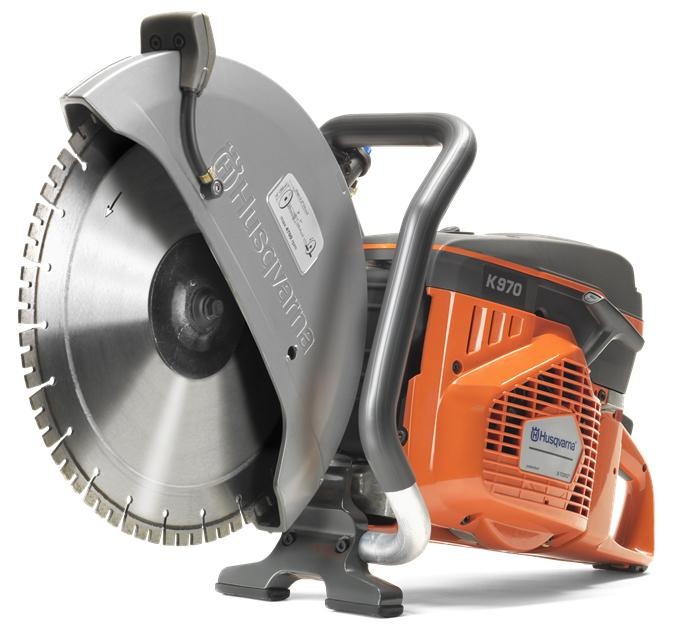
Here’s something that trips up a lot of people: demolition saws and concrete saws are often used interchangeably, but there are subtle differences worth knowing. A demolition saw hire is typically a handheld, high-powered cutting tool designed for heavy-duty work across multiple materials. A concrete saw, on the other hand, specifically refers to saws optimised for cutting concrete, masonry, and similar hard surfaces.
In practice, most demolition saws can handle concrete cutting with the right blade attached. The key is understanding what your specific saw is designed for and matching it to your project requirements.
Choosing The Right Saw For Your Project
Selecting the appropriate saw depends on several factors. Consider the material you’re cutting, the depth required, and whether you’re working indoors or outdoors. Walk-behind saws are brilliant for long, straight cuts in driveways or footpaths. Handheld models offer more flexibility for detailed work or cutting in tight spaces.
Think about your project size too. For a small patio repair, a handheld concrete saw will do the trick. For major road works or large commercial projects, you’ll want something with more power and cutting capacity.
Petrol Vs Electric Concrete Saw: Which Is More Efficient?
Petrol-powered concrete saws deliver raw power and portability—perfect for remote sites without power access. They’re typically more powerful and can handle thicker materials with ease. However, they require more maintenance and produce emissions that can be problematic in enclosed spaces.
Electric models run cleaner and quieter, making them ideal for indoor work or residential areas with noise restrictions. They’re generally lighter and easier to handle for extended periods. The trade-off is you’re tethered to a power source and may face limitations with cutting depth on some models.
Essential Pre-Cut Preparation For Maximum Productivity
Assessing The Work Site And Material Type
Before you even fire up your saw, take a good look around. What exactly are you cutting through? Is it reinforced concrete with steel mesh inside, or plain masonry blocks? Knowing this upfront helps you select the right blade and adjust your technique accordingly
Check for underground services too—water pipes, electrical cables, and gas lines can turn a simple job into a disaster if you’re not careful. Contact your local dial-before-you-dig service. It takes a few minutes but could save you from a serious incident
Selecting The Correct Blade For Concrete, Asphalt, And Masonry
Your blade choice can make or break your productivity. Diamond blades are the go-to for concrete saw work, but not all diamond blades are created equal. Soft bond blades work best on hard materials like reinforced concrete. Hard bond blades suit softer materials like green concrete or asphalt
Using the wrong blade doesn’t just slow you down—it wears out your equipment faster and produces rougher cuts. Invest in quality blades matched to your specific material, and you’ll notice the difference immediately.
How Do You Mark Out Cuts Accurately?
Accurate marking saves time by eliminating guesswork during cutting. Use chalk lines for long straight cuts—they’re visible, easy to apply, and won’t fade quickly under site conditions. For more precise work, consider using a straightedge guide.
– Measure twice, cut once (yes, it’s a cliché, but it’s true)
– Mark your depth settings on the saw if possible
– Use contrasting colours for visibility on different surfaces
– Double-check your marks against your plans before cutting
Operator Techniques That Save Time And Reduce Waste
Proper Cutting Depth And Speed Settings
One of the biggest mistakes operators make is trying to cut too deep in a single pass. This overworks your engine, strains the blade, and actually slows you down overall. Instead, make multiple shallow passes, gradually increasing depth. Your saw will thank you, and your cuts will be cleaner.
Speed matters too. Moving too fast causes the blade to skip and produces rough edges. Too slow, and you risk overheating. Find that sweet spot where the blade moves smoothly through the material without forcing it.
How Deep Can A Concrete Saw Cut?
Most handheld concrete saws cut to depths between 100mm and 150mm—sufficient for most general construction work. Walk-behind models can reach depths of 150mm to 450mm or more, depending on the blade diameter.
For cuts deeper than your saw’s maximum capacity, you’ll need to cut from both sides of the material or use a different approach entirely. Planning for this upfront prevents frustrating delays mid-job.
Wet Cutting Vs Dry Cutting: When To Use Each Method
Wet cutting uses water to cool the blade and suppress dust. It’s essential for extended cutting sessions and produces smoother cuts with less blade wear. You’ll need a water source and proper drainage, but the benefits usually outweigh the setup effort.
Dry cutting offers convenience and portability—no water supply needed. It’s fine for quick cuts or situations where water would cause problems. However, dust management becomes critical, and blades wear faster due to increased heat. Many Australian work sites require dust suppression, making wet cutting the preferred choice for longer jobs.
Safety Practices That Actually Improve Efficiency
What PPE Is Required When Using A Demolition Saw?
Proper personal protective equipment isn’t just about compliance—it keeps you working safely and confidently. At minimum, you’ll need:
– Safety glasses or a full face shield
– Hearing protection rated for your saw’s noise level
– Dust mask or respirator (P2 minimum for silica dust)
– Steel-capped boots
– Cut-resistant gloves
– Long pants and a high-visibility shirt
Cutting corners on PPE leads to fatigue, discomfort, and potential injuries that’ll have you off the tools entirely.
Managing Dust And Debris On Australian Work Sites
Silica dust from concrete cutting is a serious health hazard. Australian regulations require proper dust control measures on construction sites. Beyond compliance, good dust management actually improves visibility and keeps your equipment running better.
Use water suppression wherever practical. Position yourself upwind when possible. Take regular breaks in clean air. Your lungs—and your productivity—will benefit.
Avoiding Common Mistakes That Slow You Down
Rushing leads to mistakes, and mistakes cost time. Forcing the saw through tough material damages blades and strains motors. Skipping warm-up procedures causes unnecessary wear. Ignoring warning signs like unusual vibrations or sounds leads to breakdowns.
Stay patient, stay observant, and address small issues before they become big problems.
Maintenance Tips To Keep Your Concrete Saw Performing At Its Bes
Daily Checks And Cleaning Routines
At the end of each day, clean your saw thoroughly. Remove dust and debris from air filters, cooling fins, and blade guards. Check for loose bolts, damaged components, or signs of wear. A ten-minute daily routine prevents most common issues.
How Often Should You Replace A Concrete Saw Blade?
Replace blades when you notice reduced cutting speed, excessive heat, or visible damage to the diamond segments. A worn blade works your saw harder and produces inferior results. Track your blade usage and budget for regular replacements.
Troubleshooting Common Performance Issues
If your saw loses power, check the air filter first—a clogged filter starves the engine. Unusual vibrations often indicate blade damage or loose mounting. Starting problems usually point to fuel issues on petrol models or electrical connections on electric saws.
Putting It All Together For Peak Performance
Getting maximum efficiency from your demolition saw hire comes down to preparation, technique, and maintenance working together. Choose the right concrete saw for your specific job, prepare your site properly, and use the correct blade for your material. These fundamentals set you up for success before you even make your first cut.
Your cutting technique matters just as much as your equipment. Make multiple passes at appropriate depths, choose between wet and dry cutting based on your situation, and never force the saw through material. Combine this with proper safety practices, and you’ll find that working safely actually makes you faster—not slower.
Finally, treat your equipment well. Those daily maintenance routines might seem tedious, but they keep your saw running reliably and extend its working life significantly. A few minutes of care each day translates to hours saved over months and years. Now get out there and make every cut count!