
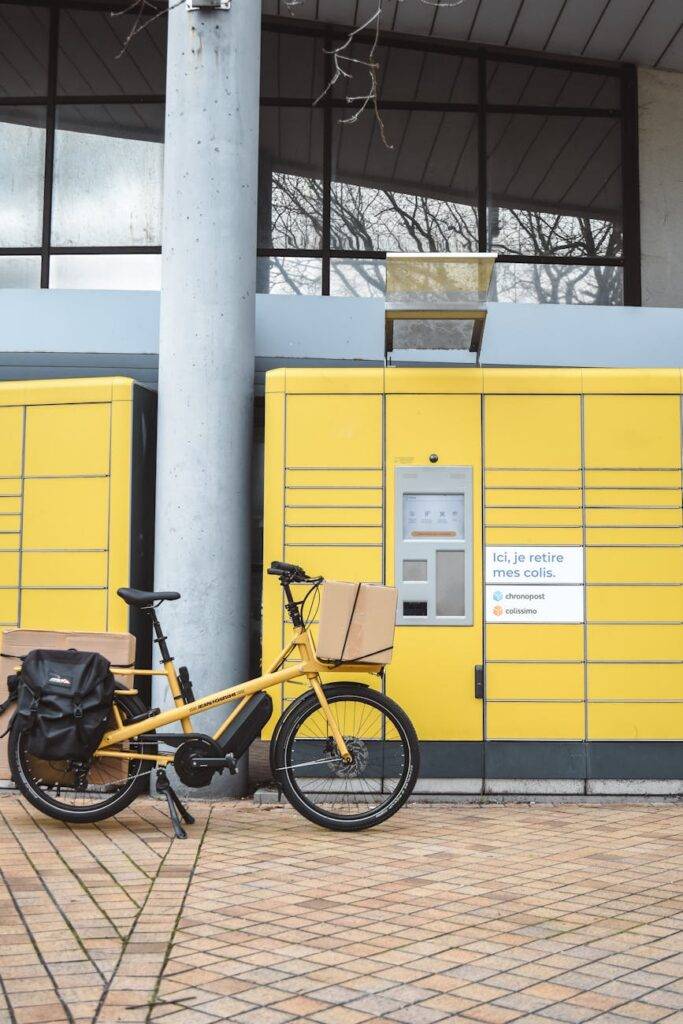
Online shopping has changed how people live and work, but the delivery process still causes headaches. Packages left on doorsteps disappear. Delivery drivers leave notes when nobody’s home. Neighbors get stuck holding boxes for days. The gap between ordering something and actually getting it into your hands hasn’t quite caught up with how convenient the rest of the process has become.
Parcel lockers are showing up as a practical answer to these problems, and they’re working for both homes and businesses. The concept is straightforward—a secure cabinet system that accepts deliveries when you’re not around and keeps them safe until you’re ready to collect them. What makes them interesting is how well they’re solving problems that people didn’t realize had such a simple fix.
The Package Problem Nobody Talks About
Most people have adjusted to the routine of checking tracking numbers obsessively and rearranging schedules to be home for deliveries. It feels normal because everyone does it. But when you step back and look at the situation, it’s a bit odd that in 2025, getting a package still requires this much coordination.
The financial side of package theft tells part of the story. Porch piracy costs homeowners and businesses significant amounts each year, but the real frustration goes beyond the dollar amount. There’s the time spent dealing with retailers, filing claims, waiting for replacements, and the nagging feeling that your front door isn’t as secure as you thought. For businesses, especially smaller ones, a missing delivery can mean delayed projects, upset clients, or lost inventory that messes up the books.
Weather adds another layer to this. Rain-damaged packages, sun-bleached boxes, and deliveries that sit outside in extreme heat or cold aren’t technically stolen, but they’re still problems that cost money and create hassle.
How Parcel Lockers Actually Work
The basic setup involves a bank of secure compartments installed at a convenient location. For homes, this might be near the front entrance, in a garage, or at a community entrance for apartment buildings. Businesses often place them in reception areas, loading docks, or employee access points.
When a delivery arrives, the driver opens an available compartment (usually through a code, app, or master key), places the package inside, and locks it. The recipient gets a notification with their unique access code or uses an app to unlock their specific compartment. The package stays secure until they’re ready to collect it, whether that’s an hour later or a few days down the track.
Modern systems have gotten smarter about this process. Many smart parcel lockers now include features that handle multiple package sizes, send automatic alerts, and integrate with building management systems for seamless operation. The technology has moved past basic locked boxes into something that actually fits into how people and businesses operate day to day.
What’s particularly useful is the flexibility these systems offer. Different compartment sizes mean everything from small envelopes to larger boxes can be accommodated. Some systems allow temporary access codes for guests or service providers, which solves the problem of giving people access without handing out keys or permanent codes.
Benefits for Residential Properties
Homeowners installing parcel lockers typically notice the convenience factor first. No more notes from delivery drivers, no more coordinating with neighbors, and no more rescheduling deliveries. The package arrives, the homeowner gets notified, and they collect it whenever it suits them. This is particularly valuable for people who work long hours, travel frequently, or simply don’t want their schedule dictated by delivery windows.
The security aspect becomes more apparent over time. Package theft rates drop to nearly zero with a proper locker system. Even in neighborhoods where porch piracy isn’t common, the peace of mind adds value. Expensive electronics, medications, important documents—all the things that create anxiety when they’re shipped—become much less stressful when there’s a secure reception point.
For apartment buildings and housing complexes, parcel lockers solve logistical nightmares. Building managers aren’t stuck storing dozens of packages in office spaces. Residents don’t have to hunt down management during business hours to collect their deliveries. The whole system runs more smoothly, which tends to be something people appreciate when they’re choosing where to live.
Why Businesses Are Making the Switch
Commercial properties face similar delivery challenges but on a larger scale. A typical office building might receive hundreds of packages per week. Someone has to sign for them, sort them, notify recipients, and store them until pickup. That’s staff time that could be spent on actual work.
Parcel lockers remove most of this administrative burden. Deliveries come in, drivers use the system independently, and employees collect their items when convenient. For businesses that receive supplies, inventory, or client materials, this creates a reliable chain of custody that reduces lost items and disputes about whether something was delivered.
The security factor matters even more in commercial settings. Client documents, proprietary materials, and valuable equipment need protection. A locked compartment with tracking and access logs provides documentation that open reception desks or storage rooms can’t match. When something goes missing, there’s a clear record of who accessed what and when.
Retail operations are finding interesting applications too. Some stores use parcel lockers for click-and-collect services, letting customers pick up online orders without waiting in line or dealing with staff. This speeds up the process for everyone and reduces the workload on retail teams during busy periods.
The Installation and Cost Reality
Setting up a parcel locker system involves some upfront investment, but the math usually works out better than people expect. For residential installations, costs vary based on size and features, but many homeowners find that preventing even one or two stolen packages per year starts to justify the expense.
Businesses often see faster returns because the time savings add up quickly. When reception staff can focus on actual reception duties instead of package management, productivity improves across the board. The reduction in lost or disputed deliveries also cuts down on replacement costs and administrative headaches.
Installation is generally straightforward. Most systems mount to walls or concrete pads and need basic electrical connections for electronic locks and notifications. Weather-resistant models handle outdoor placement without issues. The maintenance requirements are minimal—these are essentially robust metal cabinets with electronic components that are designed to last.
What This Means Going Forward
The delivery economy isn’t slowing down. More people are ordering more things online, and businesses increasingly rely on just-in-time delivery for supplies and inventory. The infrastructure to handle this volume needs to evolve, and parcel lockers represent one practical piece of that evolution.
What’s encouraging is how well these systems adapt to different situations. A single-family home needs something different from an apartment complex, and both have different requirements than a corporate office or retail store. The technology has developed enough flexibility to serve all these scenarios without requiring completely custom solutions.
The shift toward secure package reception makes sense when you consider how much time and money are currently wasted on the problems these systems solve. Missing deliveries, stolen packages, schedule coordination, and administrative overhead all have real costs. Parcel lockers don’t eliminate every delivery challenge, but they address the most common and frustrating ones in a way that works for both residential and commercial applications.
For anyone tired of the current delivery situation—whether that’s homeowners watching their doorstep or businesses managing package chaos—parcel lockers offer a straightforward improvement that actually delivers on what it promises.