
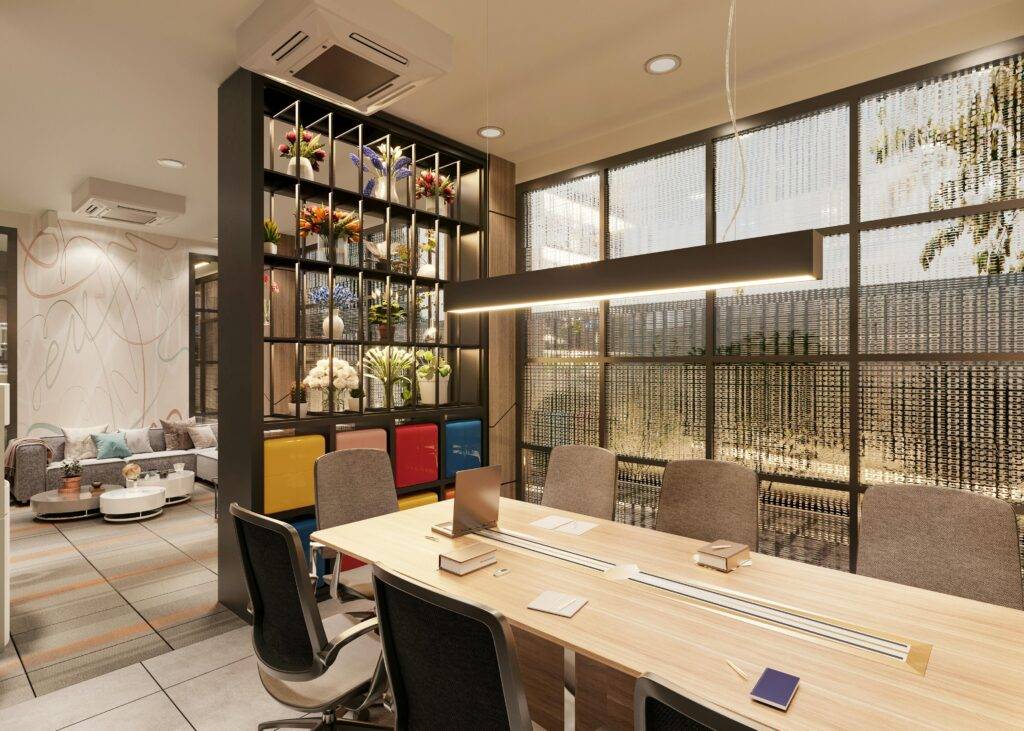
First impressions matter in business, and the environment you create speaks volumes before a single word is exchanged. A thoughtfully designed space signals professionalism, attention to detail, and a commitment to quality. These cues influence how clients, partners, and employees perceive your brand. Investing in high-quality decor is a strategic decision that can impact reputation, trust, and even profitability. Here is why quality decor is a smart business investment and how it shapes perception.
The Psychology Behind First Impressions
Human perception is heavily influenced by visual cues. When someone enters your office, retail store, or hospitality space, they immediately form judgments based on what they see. A cluttered or outdated environment can suggest disorganization or lack of care, while a polished, cohesive design communicates competence and reliability. This psychological effect is powerful because it sets the tone for every interaction that follows. Businesses that prioritize decor create an atmosphere that reinforces their values and professionalism, making clients more confident in their decision to engage.
Quality Decor as a Reflection of Brand Identity
Your physical space is an extension of your brand. Every element, from furniture and lighting to wall art and accessories, should align with your brand’s personality and message. For example, a law firm might favor classic, understated decor to convey stability and trust, while a creative agency could embrace bold colors and contemporary art to signal innovation. Consistency between your brand identity and your environment strengthens recognition and builds credibility. When decor feels intentional and aligned, customers and employees experience a sense of authenticity that fosters loyalty.
Art as a Strategic Design Element
Art is one of the most effective ways to elevate a space and create emotional resonance. It adds character, sparks conversation, and demonstrates cultural awareness. Businesses that incorporate art thoughtfully often stand out as sophisticated and forward-thinking. Consider integrating pieces that reflect your values or local community ties. For companies seeking a refined aesthetic, exploring options from a photo art gallery can provide striking visuals that complement modern interiors. Photography can be bold and dramatic or subtle and serene, depending on the tone you want to set. The right artwork transforms walls into storytelling platforms, reinforcing your brand narrative without words.
Enhancing Employee Morale and Productivity
Quality decor not only influences clients; it impacts employees as well. A well-designed workspace can boost morale, reduce stress, and improve productivity. Natural light, ergonomic furniture, and visually appealing surroundings contribute to a positive work environment. Employees who feel comfortable and inspired are more engaged and motivated, which translates into better performance and retention. Investing in decor is, therefore, an investment in your team’s well-being and effectiveness. When staff members take pride in their workplace, they become stronger ambassadors for your brand.
The Long-Term Value of Strategic Design
While quality decor requires upfront investment, its benefits extend far beyond aesthetics. A thoughtfully designed space can increase customer dwell time, encourage repeat visits, and even justify premium pricing. It also reduces the need for frequent updates, as high-quality materials and timeless design choices age gracefully. In competitive markets, these advantages can make a measurable difference in profitability. Businesses that view decor as a strategic asset rather than a superficial expense position themselves for long-term success.
Conclusion
Quality decor is a business strategy that influences perception, reinforces brand identity, and enhances both client and employee experiences. By investing in thoughtful design elements, including art that resonates with your values, you create an environment that communicates professionalism and care. These impressions translate into trust, loyalty, and competitive advantage. In today’s experience-driven economy, the spaces you design are as important as the services you offer, making decor one of the smartest investments a business can make.