
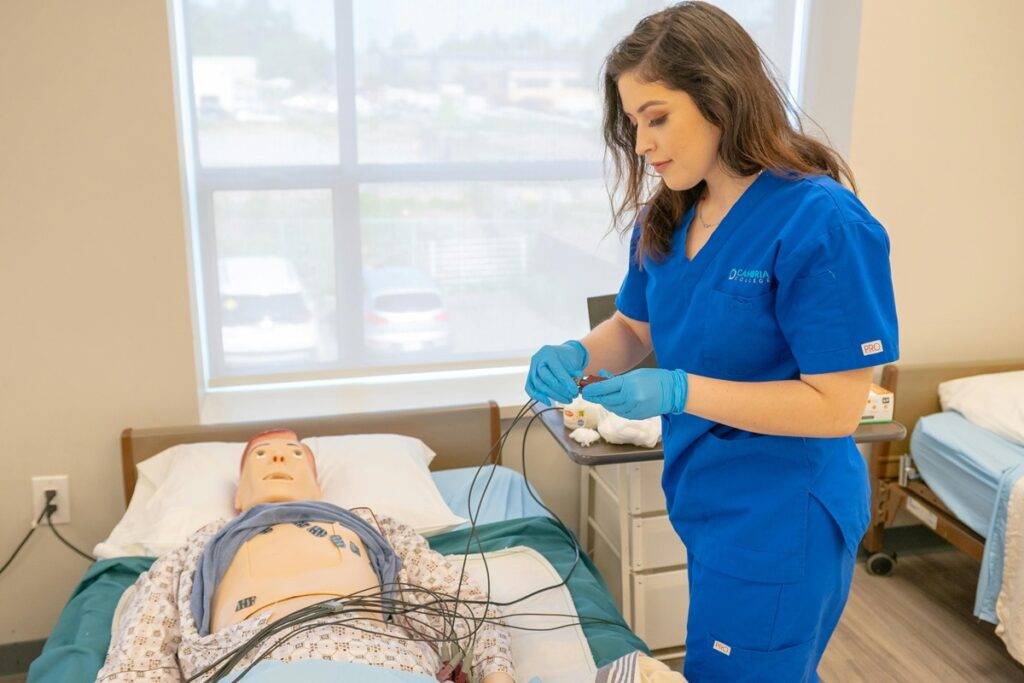
Healthcare is evolving at a pace few industries can match. New technologies, revised standards of care, shifting patient expectations, and increasing regulatory scrutiny are reshaping how services are delivered. In this environment, clinical expertise cannot remain static. Skills that were considered advanced a decade ago may now be baseline requirements. As a result, continuous clinical training has moved beyond a professional ideal and become a core business necessity.
Organizations that treat education as optional often struggle with quality, compliance, and staff retention. By contrast, those who invest in ongoing learning build resilience, adaptability, and long-term success. The future of care depends on practitioners who are not only well credentialed but consistently supported in developing new competencies.
Training as a Strategic Asset Rather Than a Cost
Many healthcare organizations still view training as an expense rather than an investment. This perspective overlooks the operational and financial advantages that continuous learning provides. Well-trained clinicians deliver safer care, make fewer errors, and adapt more quickly to new systems and protocols.
From a business standpoint, training reduces risk. Regulatory penalties, malpractice claims, and reputational damage often stem from outdated knowledge or inconsistent practices. Ongoing education mitigates these risks by aligning staff performance with current standards.
Training also supports efficiency. When clinicians understand new tools and workflows, adoption is smoother, and productivity improves. Organizations that integrate education into their strategic planning are better positioned to scale services while maintaining quality.
Responding to Rapid Clinical and Technological Change
Medical knowledge expands constantly. Diagnostic methods, treatment protocols, and technological tools are updated based on emerging evidence. Without structured learning opportunities, clinicians may rely on outdated practices without realizing it.
Technology has further accelerated this change. Electronic health records, advanced imaging, and data-driven decision support systems require specific competencies. Clinicians must learn not only how to use these tools, but how to integrate them thoughtfully into care.
Specialty areas are particularly affected. For example, fields such as reproductive medicine evolve quickly, prompting professionals to pursue education like assisted reproductive technology courses to remain current and effective. When organizations support this kind of targeted learning, they strengthen service quality and competitive positioning.
Workforce Retention and Professional Fulfillment
Continuous training plays a critical role in workforce stability. Clinicians who feel supported in their professional growth are more likely to stay with an organization. Education signals respect for expertise and investment in long-term careers.
Burnout is a major concern across healthcare. Many clinicians report feeling unprepared for the complexity of modern practice. Training helps bridge this gap by building confidence and competence. When staff feel capable and supported, job satisfaction improves.
Professional development also supports internal mobility. Organizations that offer clear learning pathways can promote from within, preserving institutional knowledge and reducing recruitment costs. Training becomes a tool for succession planning and leadership development.
Meeting Patient Expectations in a Competitive Market
Patients today are informed consumers. They research providers, compare outcomes, and expect evidence-based care. Consistent training ensures that clinicians deliver services aligned with current best practices.
Quality metrics increasingly influence reimbursement and public perception. Readmission rates, patient satisfaction scores, and clinical outcomes are closely monitored. Continuous education directly impacts these indicators by standardizing care and reducing variability.
Organizations that prioritize training can communicate this commitment externally. Transparency around clinician education builds trust and differentiates services in competitive markets. Patients are more likely to choose providers who demonstrate ongoing competence and accountability.
Creating a Culture of Learning and Accountability
Sustainable training requires more than occasional workshops. It depends on a culture that values curiosity, reflection, and continuous improvement. Leadership plays a central role in setting this tone.
Embedding education into daily operations reinforces its importance. Case reviews, peer consultation, and regular skill updates normalize learning as part of clinical responsibility. This approach reduces defensiveness and encourages collaborative problem solving.
Accountability also improves when training is consistent. Clear expectations and standardized competencies create shared benchmarks for performance. Clinicians know what is required and how to access support when gaps are identified.
Adapting Training Models for the Future
The delivery of education is evolving alongside clinical practice. Flexible formats such as online modules, simulation, and blended learning accommodate busy schedules while maintaining rigor. These models allow organizations to reach larger teams without sacrificing depth.
Data-driven training assessment is also gaining importance. Measuring outcomes tied to education efforts helps organizations refine programs and demonstrate return on investment. When training outcomes align with clinical and business goals, leadership support strengthens.
Future-facing organizations will continue to refine how education is delivered and evaluated. Adaptability in training mirrors adaptability in care delivery itself.
Conclusion
Continuous clinical training is no longer optional in modern healthcare. It is a strategic imperative that influences quality, safety, workforce stability, and business performance. As clinical knowledge and patient expectations continue to evolve, organizations must ensure their teams evolve with them. By treating education as a core operational priority, healthcare leaders build systems that are resilient and responsive. The future of care belongs to organizations that recognize learning as a lifelong process and embed it into every level of practice.