
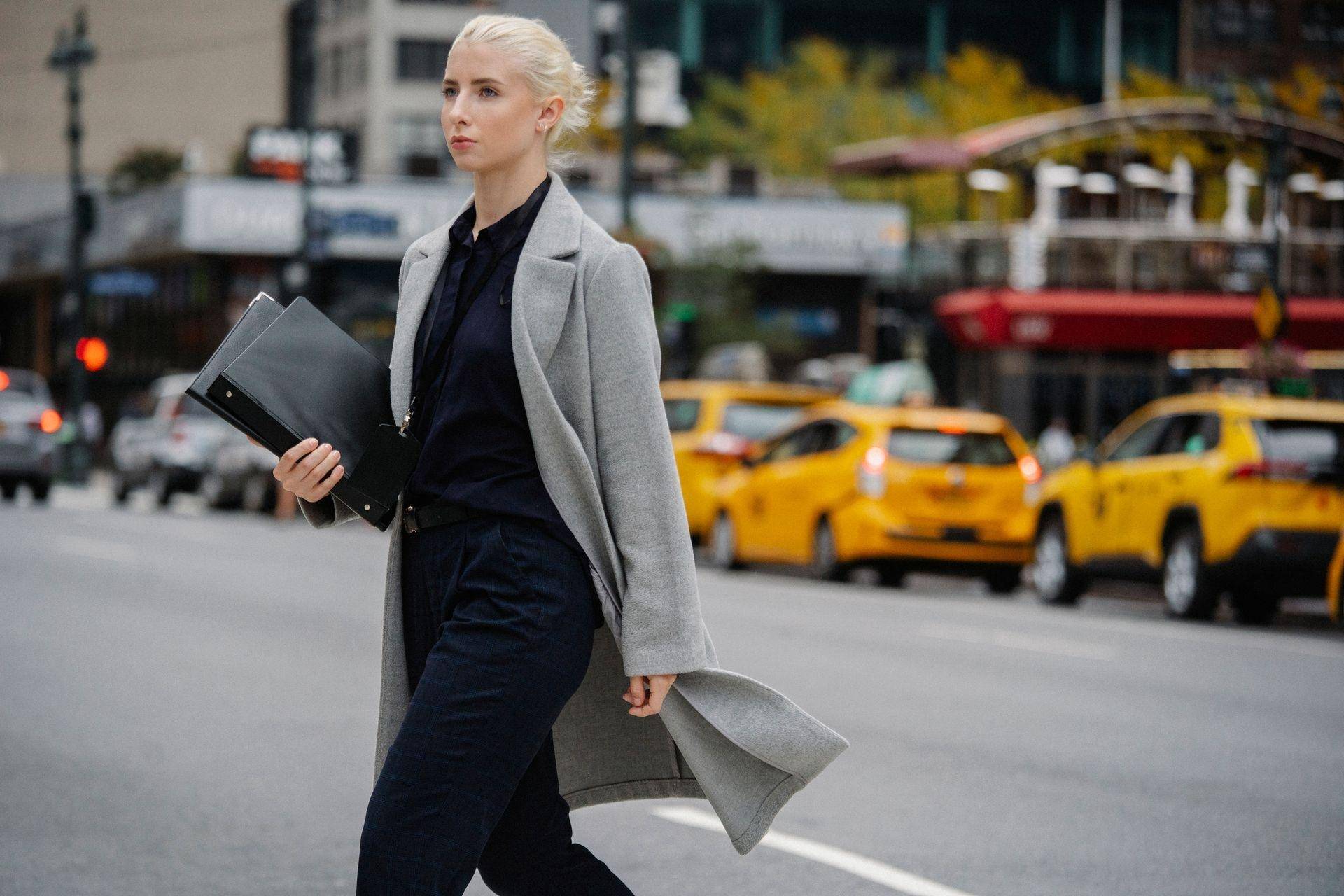
First impressions in the workplace are often formed in seconds, yet their impact can linger for months or even years. While skills, experience, and communication ultimately define long-term success, appearance plays a subtle but meaningful role in shaping how others initially perceive professionalism, reliability, and attention to detail. Looking put-together doesn’t require expensive clothing or time-consuming routines—it’s more about consistency, intention, and understanding how small choices signal larger qualities.
In professional environments where decisions are made quickly and impressions carry weight, the way someone presents themselves can influence opportunities, interactions, and even confidence. Hair and outfit choices, in particular, act as visual shorthand, communicating readiness, self-awareness, and respect for the environment.
The Psychology Behind First Impressions
Human beings are wired to process visual information rapidly. In workplace settings, this instinct often translates into snap judgments about competence and credibility. Clean lines, coordinated clothing, and well-maintained grooming can signal organization and dependability without a single word being spoken.
This doesn’t mean that appearance outweighs ability. Instead, it acts as an initial frame through which ability is judged. When someone appears put-together, colleagues and managers may subconsciously assume that the same level of care extends to their work.
Hair plays a particularly important role in this process. It frames the face and contributes to an overall sense of polish. A purposeful hairstyle—whether neatly styled, naturally textured, or pulled together in a simple way—helps reinforce the impression of intentionality. When appearance feels deliberate rather than rushed, it creates a sense of quiet professionalism.
Hair as a Signal of Consistency and Attention
Hair care often reflects consistency in daily routines, which can mirror professional reliability. While workplaces vary in their expectations, maintaining a style that feels clean, controlled, and appropriate for the setting helps create a cohesive image.
Efficiency matters, especially for professionals balancing busy schedules. Tools that simplify grooming can make it easier to maintain this consistency without adding stress to the morning routine. For example, using a hair straightener and curler in one allows individuals to achieve different styles quickly, adapting their look based on the day’s needs without significantly increasing preparation time.
The goal is not perfection, but predictability. When colleagues know what to expect, it contributes to a sense of steadiness. A consistent personal presentation can quietly reinforce the idea that someone is dependable and attentive, qualities that are highly valued in any professional environment.
Clothing Choices and Professional Identity
Clothing serves as a form of nonverbal communication, expressing both individuality and awareness of workplace culture. The most effective outfits strike a balance between personal style and professional appropriateness.
Fit, color coordination, and condition matter more than trends. Well-fitted clothing that is clean and thoughtfully paired communicates effort and respect for the workplace. Even in more casual environments, an intentional outfit can set someone apart in a positive way.
Clothing choices can also influence how individuals perceive themselves. Wearing an outfit that feels polished often creates a sense of readiness and confidence, which can carry into meetings, presentations, and everyday interactions. This internal shift can subtly impact posture, tone, and decision-making.
Over time, consistent outfit choices can become part of a personal brand. Whether someone is known for a minimalist aesthetic, bold colors, or classic tailoring, these patterns help reinforce identity and make a lasting impression.
The Relationship Between Appearance and Confidence
Confidence and appearance are closely linked, each reinforcing the other. When individuals feel put-together, they are more likely to engage actively, contribute ideas, and approach challenges with a positive mindset.
This relationship is particularly noticeable during high-stakes moments, such as presentations or interviews. A polished appearance can reduce self-consciousness, allowing individuals to focus fully on their performance rather than worrying about how they are perceived.
At the same time, confidence grows through consistency. Establishing a routine that supports a reliable, comfortable appearance removes decision fatigue and creates a stable starting point for the day. When grooming and outfit choices become effortless, mental energy can be directed toward more complex tasks.
This dynamic underscores the importance of finding a personal standard that feels sustainable. Overly complicated routines can become difficult to maintain, while simple, repeatable habits provide long-term benefits.
Adapting Style to Changing Work Environments
Workplace expectations have evolved significantly, particularly with the rise of hybrid and remote work. In some settings, formal dress codes have relaxed, allowing for greater flexibility in personal style. However, the core principle of looking put-together remains relevant.
Adapting to these changes requires awareness and intention. In remote environments, for example, presentation may focus more on visible elements such as hair, facial grooming, and upper-body attire. Even subtle choices—like a well-fitted top or a tidy hairstyle—can influence how someone is perceived during virtual interactions.
In more traditional settings, maintaining a polished appearance continues to signal professionalism and readiness. The key is understanding the expectations of each environment and adjusting accordingly, without losing a sense of personal authenticity.
Flexibility in style allows individuals to navigate different contexts effectively while maintaining a consistent underlying standard. This adaptability reflects both awareness and professionalism, qualities that extend beyond appearance into overall workplace behavior.
Conclusion
Looking put-together carries a quiet influence that extends beyond surface-level impressions. Through thoughtful hair and outfit choices, individuals can communicate reliability, confidence, and professionalism in a way that complements their skills and experience.
These choices don’t need to be elaborate or time-consuming. Consistency, intention, and adaptability form the foundation of an effective personal presentation. By establishing routines that align with both personal style and workplace expectations, professionals can create a reliable visual presence that supports their broader goals.
In the end, appearance serves as an entry point—one that opens the door for abilities, ideas, and contributions to take center stage.