
Ever found yourself standing ankle-deep in murky water during your morning shower? Or maybe you’ve noticed that gurgling sound coming from your kitchen sink that just won’t go away?
Blocked drains are more than just a minor inconvenience. They can disrupt your daily routine, create unpleasant odours throughout your home, and even lead to costly repairs if left untreated. The good news? Most drainage issues are preventable, and many can be resolved without breaking the bank. Whether you’re dealing with a slow-draining bathtub or a completely backed-up sewer line, understanding your options is the first step towards getting things flowing again.
In this guide, we’ll walk you through everything you need to know about tackling blocked drains. From identifying the early warning signs to exploring professional solutions, you’ll learn practical strategies that actually work. We’ll also cover prevention tips to help you avoid future headaches. So grab a cuppa and let’s get stuck into it.
What Causes Blocked Drains In The First Place?
Tree Root Intrusion
One of the most common culprits behind blocked drains is tree root intrusion. Those beautiful gum trees and established gardens might look stunning, but their roots are constantly searching for water sources. Your drainage pipes, with their moisture and nutrients, make an attractive target.
Roots can infiltrate even tiny cracks in your pipes, gradually growing and expanding until they create a significant blockage. This problem is particularly prevalent in older suburbs where mature trees and ageing infrastructure coexist.
Grease And Fat Build-Up
That leftover cooking oil might seem harmless when you pour it down the sink, but it’s actually one of the worst things for your drains. Grease and fat solidify as they cool, coating the inside of your pipes and gradually narrowing the passageway. Over time, this build-up catches other debris, creating stubborn blockages that are tough to shift.
Foreign Objects And Debris
Hair, soap scum, food scraps, and those “flushable” wipes that aren’t really flushable – they all contribute to drain blockages. In bathrooms, hair combined with soap residue creates particularly nasty clogs. In kitchens, food particles that slip past the sink strainer accumulate over time.
How Do I Know If My Drain Is Blocked?
Warning Signs You Shouldn’t Ignore
Spotting a blocked drain early can save you significant money and hassle down the track. Keep an eye out for water draining slowly from sinks, showers, or bathtubs. You might also notice gurgling sounds coming from your drains or toilets – this indicates trapped air in your pipes.
Unpleasant odours are another telltale sign. If there’s a sewage smell lingering around your drains or in your backyard, something isn’t right. Water pooling around floor drains or in your yard can also indicate a blockage further down the line.
When a Slow Drain Becomes a Serious Problem
A slow drain might seem like a minor annoyance, but ignoring it often leads to bigger issues. What starts as water taking a few extra seconds to disappear can quickly escalate into complete blockages, overflowing toilets, or even sewage backing up into your home. The moment you notice drainage issues, it’s worth investigating further.
Can I Unblock A Drain Myself?
DIY Methods That Actually Work
Before calling in the professionals, there are several DIY approaches worth trying. The trusty plunger remains one of the most effective tools for minor blockages. Make sure you’re using the right type – cup plungers work best for sinks, while flange plungers are designed for toilets.
For grease-related blockages, pouring boiling water down the drain can help dissolve the build-up. A mixture of bicarbonate of soda and white vinegar creates a fizzing reaction that can shift minor clogs. Pour half a cup of bicarb followed by half a cup of vinegar, wait 30 minutes, then flush with hot water.
Tools Every Homeowner Should Have
A well-equipped home should include a quality plunger, a drain snake (also called a drain auger), rubber gloves, and a bucket. Drain snakes are particularly useful for reaching blockages deeper in your pipes. Simply feed the snake into the drain, rotate the handle, and pull out the debris.
When DIY Solutions Aren’t Enough
If you’ve tried plunging and snaking without success, it’s time to step back. Persistent blockages, multiple drains backing up simultaneously, or sewage smells indicate problems that require professional attention. Continuing to force DIY solutions can sometimes make things worse or damage your pipes.
Professional Drain Clearing Strategies That Get Results
High-Pressure Water Jetting
High-pressure water jetting is incredibly effective for clearing stubborn blockages. Plumbers use specialised equipment to blast water through your pipes at extremely high pressure, cutting through grease, debris, and even tree roots. This method thoroughly cleans the pipe walls, not just removing the blockage but also preventing future build-up.
CCTV Drain Inspections
Modern plumbers don’t have to guess what’s causing your drainage problems. CCTV drain inspections involve inserting a small camera into your pipes to get a clear view of the issue. This technology pinpoints exactly where blockages are located and identifies any structural problems like cracks, collapses, or root intrusion.
Electric Drain Snakes And Augers
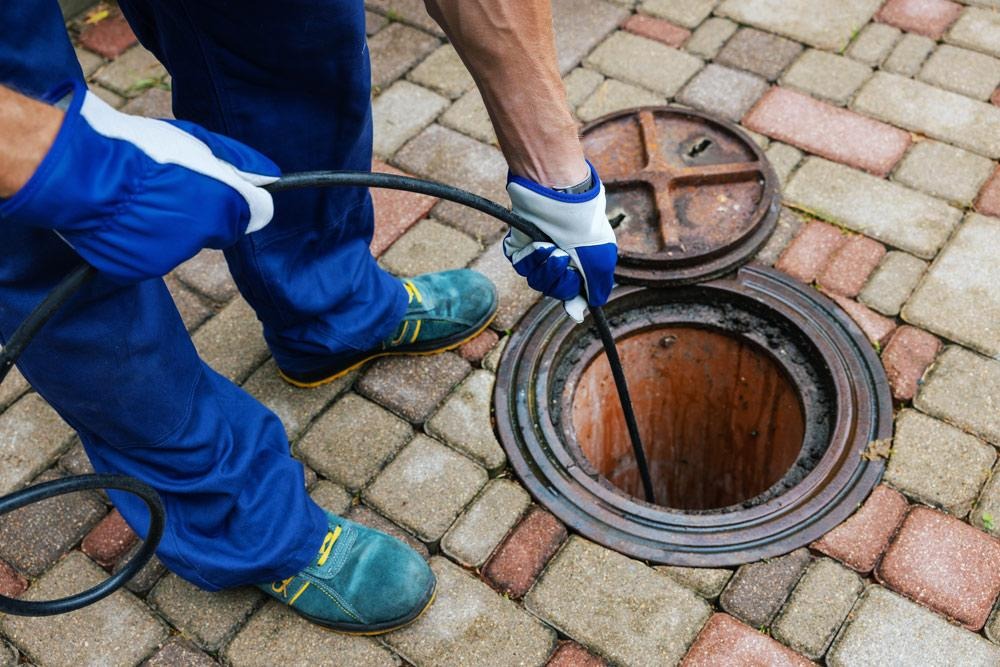
Professional-grade electric drain snakes are far more powerful than the hand-held versions available to homeowners. These motorised tools can break through tough blockages and reach further into your drainage system. Plumbers use various attachments depending on the type of blockage they’re dealing with.
Pipe Relining And Repair
When blockages result from damaged pipes, relining offers a cost-effective solution. This trenchless technology involves inserting a resin-coated liner into the damaged pipe. Once cured, it creates a new pipe within the old one, sealing cracks and preventing root intrusion. It’s far less disruptive than traditional pipe replacement.
How Much Does It Cost to Clear a Blocked Drain?
Factors That Affect Pricing
The cost of clearing blocked drains varies depending on several factors. Simple blockages close to access points are generally cheaper to clear than those deep in your drainage system. The method required also affects pricing – basic snaking costs less than high-pressure jetting or CCTV inspections.
Emergency callouts, weekend work, and after-hours services typically attract higher rates. The severity of the blockage and any necessary repairs also influence the final bill. Most reputable plumbers will provide a quote before commencing work.
Getting Value for Money
To get the best value, obtain quotes from multiple licensed plumbers. Look for transparent pricing without hidden fees. Many plumbers offer package deals that include CCTV inspection with clearing services, which can be more economical than paying separately.
How Can I Prevent Blocked Drains in the Future?
Simple Habits That Make A Difference
Prevention truly is better than a cure when it comes to blocked drains. Never pour cooking oil or grease down the sink – instead, collect it in a container and dispose of it in your rubbish bin. Use drain strainers in showers and basins to catch hair and debris before they enter your pipes.
Be mindful of what goes down your toilet. Only flush the three Ps: pee, poo, and (toilet) paper. Everything else, including wet wipes and sanitary products, belongs in the bin.
Regular Maintenance Tips
Schedule annual drain inspections, particularly if you have older pipes or large trees near your drainage lines. Flush your drains monthly with boiling water to prevent grease build-up. Consider having your drains professionally cleaned every couple of years as a preventative measure.
When Should I Call A Professional Plumber?
Call a professional when DIY methods fail, when multiple drains are affected simultaneously, or when you notice sewage smells or backflow. Emergency situations like flooding or sewage overflow require immediate professional attention. Don’t wait until a small problem becomes a major headache.
Choosing The Right Blocked Drain Specialists
Look for licensed, insured plumbers with experience in your local area. Check online reviews and ask for recommendations from neighbours or friends. Reputable blocked drains specialists will offer upfront pricing, use modern equipment, and provide warranties on their work. Don’t be afraid to ask questions about their methods and experience.
Taking Action Before Small Blockages Become Big Problems
Dealing with blocked drains doesn’t have to be overwhelming. By understanding what causes blockages, recognising the warning signs early, and knowing when to call in the experts, you can keep your drainage system running smoothly for years to come.
Remember, prevention is your best friend. Simple habits like avoiding grease down the sink and using drain strainers can save you significant money and stress. And when problems do arise, addressing them quickly prevents minor issues from escalating into expensive repairs.
Whether you’re tackling a minor blockage yourself or calling in professional help for a more serious issue, you now have the knowledge to make informed decisions. Don’t let blocked drains disrupt your life – take action today and enjoy the peace of mind that comes with a properly functioning drainage system.