
Are you tired of hunting for public charging stations every time your electric vehicle runs low? Have you ever wondered whether installing an EV charger at home could save you time, money, and hassle? What if you could wake up every morning to a fully charged car without leaving your driveway?
For Melbourne drivers making the switch to electric vehicles, home charging is quickly becoming a game-changer. With electricity costs far lower than petrol and the convenience of charging overnight, it’s no wonder more Victorian homeowners are exploring EV charger installation melbourne. But here’s the thing—while the idea sounds straightforward, there’s quite a bit to consider before you grab your toolkit and get started.
In this guide, we’ll walk you through everything you need to know about installing an EV charger at your Melbourne home. From understanding different charger types to navigating Australian safety regulations, assessing your electrical capacity, and knowing when to call in a licensed sparkie, we’ve got you covered. Whether you’re a confident DIYer or simply want to understand the process before hiring a professional, you’ll find practical advice tailored specifically for Victorian conditions. Let’s get stuck into it.

Understanding EV Charger Types: Which One Is Right for Your Home?
Before you start planning your installation, it’s essential to understand the different types of chargers available. Not all EV chargers are created equal, and choosing the right one depends on your driving habits, budget, and home setup.
Level 1 vs Level 2 Chargers Explained
Level 1 chargers are the most basic option. They plug directly into a standard 10-amp household power point—the same type you’d use for a kettle. While convenient, they’re painfully slow, adding only around 10-15 kilometres of range per hour. For most Melbourne commuters, this simply isn’t practical.
Level 2 chargers are where things get interesting. These require a dedicated circuit and can charge your vehicle significantly faster—typically adding 40-80 kilometres of range per hour. For most homeowners, a Level 2 charger strikes the perfect balance between speed and affordability.
Single-Phase vs Three-Phase Charging
Here’s something Melbourne homeowners need to consider. Most Australian homes run on single-phase power, which limits your charging speed to around 7kW. However, if your property has three-phase power (common in newer builds or homes with ducted air conditioning), you could potentially install a faster 22kW charger. Check your switchboard or ask an electrician to confirm what you’re working with.
Can You Legally Install an EV Charger Yourself in Australia?
This is where things get serious. While you might be handy with a drill, Australian electrical safety regulations are strict—and for good reason.
What Parts Can a DIYer Handle?
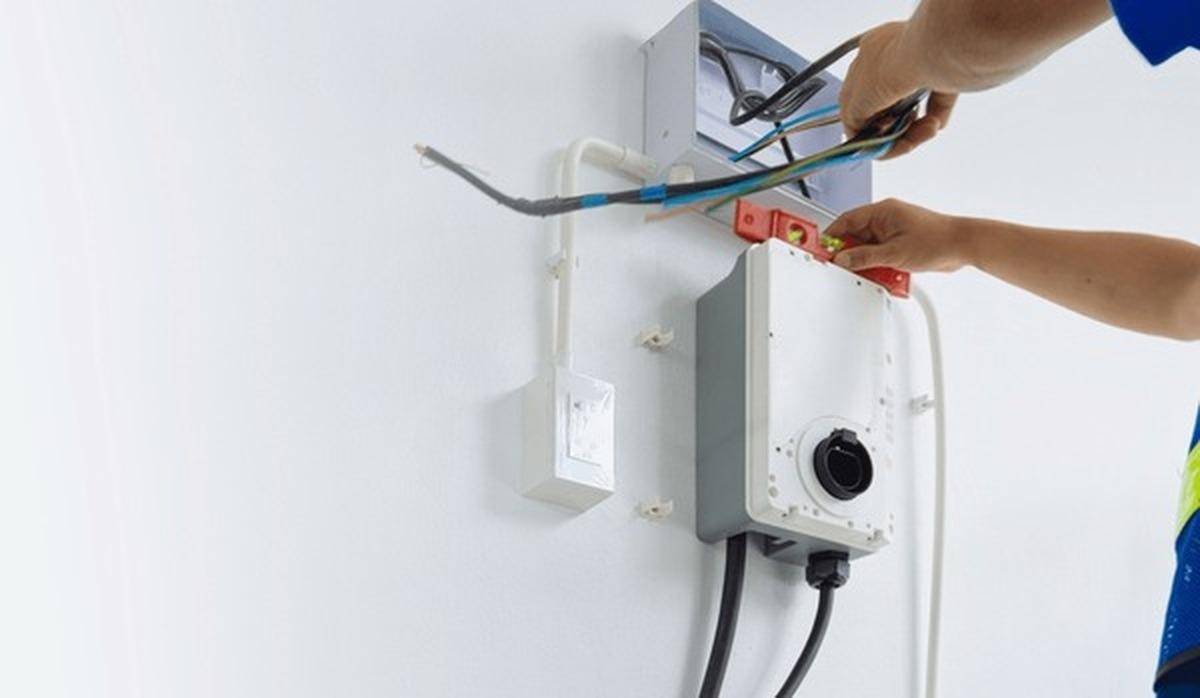
The good news? There’s plenty you can do yourself. Mounting the charging unit to the wall, running cable conduit through your garage, and preparing the installation site are all fair game. You can also handle the research, planning, and sourcing of equipment.
When Do You Need a Licensed Electrician?
Here’s the non-negotiable bit. Any electrical work—including connecting the charger to your switchboard, installing dedicated circuits, or working with wiring—must be completed by a licensed electrician in Victoria. This isn’t just a recommendation; it’s the law. Attempting electrical work yourself could void your insurance, damage your property, or worse.
Additionally, installations over 4.6kW typically require approval from your energy distributor before work begins. Your electrician should handle this paperwork, but it’s worth double-checking.
Planning Your Home EV Charger Installation
Proper planning makes all the difference between a smooth installation and an expensive headache. Take time to assess your situation before diving in.
Assessing Your Home’s Electrical Capacity
First things first—can your home handle an EV charger? Older Melbourne properties often have limited electrical capacity, sometimes as low as 40 amps. A Level 2 charger typically requires 32 amps, which might push your system to its limits if you’re running other appliances simultaneously.
Grab a torch and check your switchboard. If it’s full of old ceramic fuses rather than modern circuit breakers, you’ll likely need an upgrade before installation.
Choosing the Best Location
Think carefully about where you’ll mount your charger. Ideally, it should be close to your switchboard to minimise cable runs and costs. Consider cable length to your vehicle’s charging port, protection from weather, and accessibility for daily use. Most Melbourne homeowners install chargers in their garage or carport.
How Much Does It Cost?
Expect to pay between for a complete EV charger installation in Melbourne. This includes the charger unit itself, plus electrician labour, materials, and any switchboard modifications. Three-phase installations or homes requiring significant electrical upgrades may cost more.
Step-by-Step DIY Preparation for EV Charger Installation
Want to reduce costs and speed up the installation process? Here’s what you can prepare before your electrician arrives.
Tools and Materials You’ll Need
Gather a drill with masonry bits, cable clips and conduit, a spirit level, measuring tape, and appropriate wall fixings for your surface type. If you’re mounting outdoors, make sure you have weatherproof sealant handy.
Preparing Your Space
Clear the installation area completely. Mark out where your charger will mount, ensuring it’s at a comfortable height (typically 1-1.2 metres from the ground). If running conduit along walls, map out the most direct route to your switchboard. Your electrician will appreciate the preparation—and you might save on labour costs.
How Long Does It Take to Install a Home EV Charger?
For a straightforward installation where your switchboard has capacity and the charger location is near the power source, expect around 2-4 hours of work. However, if your home needs a switchboard upgrade or the cable run is particularly long, installation could take a full day or require multiple visits.
Common Mistakes to Avoid When Installing an EV Charger
Learn from others’ errors to make sure your installation goes smoothly.
Underestimating Electrical Load
Many homeowners forget to account for their existing electrical usage. Running your EV charger while the oven, air conditioning, and hot water system operate simultaneously could trip your main breaker or cause ongoing issues.
Ignoring Weatherproofing
Melbourne weather is unpredictable. If your charger is outdoors, confirm it has an appropriate IP rating (IP65 or higher) for Australian conditions. Skimping on weatherproofing leads to premature failure and potential safety hazards.
Skipping Approvals
Don’t forget to notify your energy distributor. Failing to get proper approvals could result in fines or complications when selling your property.
Do I Need to Upgrade My Switchboard for an EV Charger?
If your switchboard still uses old fuses, lacks a safety switch, or doesn’t have spare capacity, you’ll need an upgrade. This typically adds to your total cost but improves your home’s overall electrical safety. Modern switchboards also make future upgrades—like adding solar—much simpler.
Maximising Your Investment: Solar and EV Charger Integration
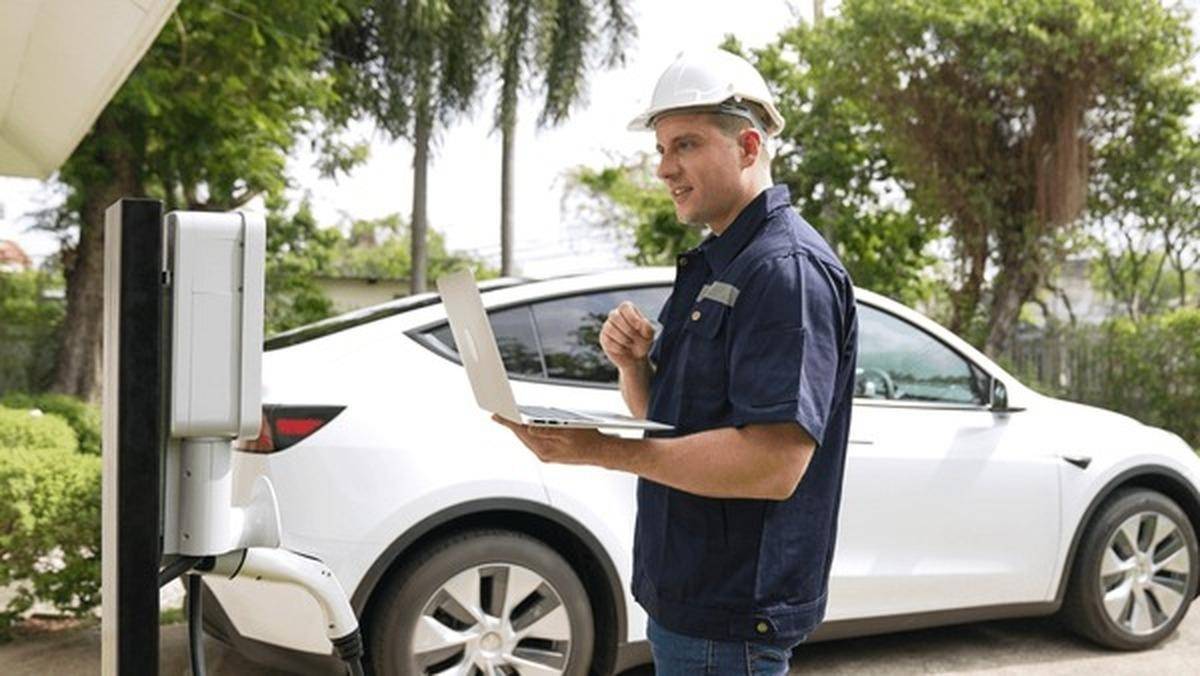
Here’s where Melbourne homeowners can really benefit. Pairing your EV charger with rooftop solar panels allows you to charge your vehicle using free, renewable energy. Smart chargers can be programmed to prioritise solar power during daylight hours or shift to off-peak grid electricity overnight when rates drop significantly.
Victorian off-peak rates can be as low as 15 cents per kilowatt-hour compared to 30+ cents during peak times. Over a year of charging, this adds up to substantial savings.
Hiring a Professional: What to Look for in EV Charger Installers
When choosing an electrician for your EV charger installation in Melbourne, look for experience specifically with EV systems. Ask how many installations they’ve completed, whether they’re familiar with your charger brand, and if they handle distributor approvals.
Get at least three quotes and compare what’s included. The cheapest option isn’t always the best value—look for comprehensive warranties, quality workmanship, and clear communication.
Your Next Steps to Convenient Home EV Charging in Melbourne
Installing an EV charger at home is one of the smartest investments Melbourne electric vehicle owners can make. The convenience of overnight charging, combined with potential savings through solar integration and off-peak rates, makes home charging incredibly worthwhile.
While there’s plenty of preparation work you can tackle yourself, remember that all electrical work must be completed by a licensed professional. Take time to assess your home’s electrical capacity, choose the right charger type for your needs, and get proper approvals before work begins.
Ready to take the next step? Start by checking your switchboard capacity and researching charger options that suit your vehicle. Then reach out to a few qualified Melbourne electricians for quotes. Before you know it, you’ll be enjoying the freedom of waking up to a fully charged car every single morning. That’s the beauty of home EV charging—and it’s absolutely worth making it happen.