
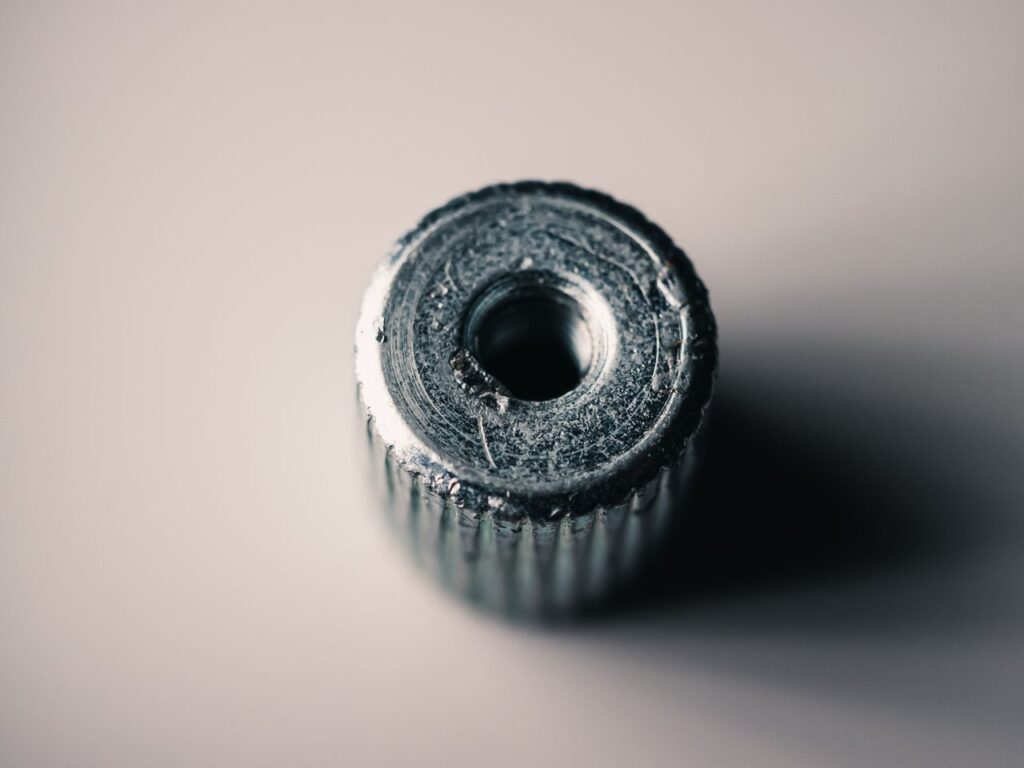
Building machinery relies on many small components working together to maintain alignment, stability, and efficiency. While bearings, shafts, and couplings often get the most attention, shaft collars play an equally important role in keeping mechanical systems running properly. These simple yet effective devices are widely used across industries to secure, position, and support moving parts on a shaft.
Understanding how shaft collars work helps engineers, maintenance professionals, and equipment operators choose the right solution for their applications.
Understanding the Purpose of Shaft Collars
A shaft collar is a mechanical component that fits around a shaft and holds it in a specific position. Its primary function is to act as a stop, locator, spacer, or load-bearing surface within a machine assembly.
By securing components in place, a shaft collar helps prevent unwanted movement along the shaft. This positioning capability is essential to maintain proper alignment and ensure equipment performs as intended.
Shaft collars are commonly found in manufacturing equipment, conveyor systems, agricultural machinery, packaging machines, and many other industrial applications.
How a Shaft Collar Works
A shaft collar creates a secure connection between the collar and the shaft surface. Once installed, the collar resists axial movement and helps hold nearby components in place.
Depending on the design, the collar may use set screws, clamping mechanisms, or other fastening methods to achieve a tight grip. When properly installed, it creates enough holding force to prevent sliding while minimizing damage to the shaft.
This simple design allows shaft collars to perform a wide range of functions, including:
- Locating parts along a shaft
- Serving as mechanical stops
- Supporting bearings and sprockets
- Limiting component travel
- Maintaining assembly alignment
- Distributing loads within a system
Common Types of Shaft Collars
Different applications require different collar designs. The most common types include:
Set Screw Collars
Set screw collars use one or more screws that tighten directly against the shaft surface. These collars are economical and suitable for applications where shafts can accommodate minor surface indentation from the screws.
One-Piece Clamp Collars
One-piece clamp collars feature a split design that tightens around the shaft using a clamping screw. They provide strong holding power without damaging the shaft and are often preferred when precise positioning is important.
Two-Piece Clamp Collars
Two-piece collars consist of separate halves that bolt together around the shaft. This design allows easy installation and removal, especially when surrounding components make access difficult.
Specialty Collars
Some applications require specialty collars designed for unique operating environments. These may include threaded collars, quick-release collars, hinged collars, or corrosion-resistant models for demanding conditions.
Benefits of Using Shaft Collars
Shaft collars offer several advantages that make them a valuable component in machinery and equipment.
Easy Installation
Most shaft collars can be installed quickly with basic tools, reducing downtime and simplifying maintenance.
Reliable Positioning
Properly selected collars help maintain consistent component placement, improving machine performance and reducing alignment-related issues.
Versatility
Available in numerous materials, sizes, and configurations, shaft collars can adapt to a wide range of applications.
Cost-Effective Solution
Compared with more complex positioning systems, shaft collars offer an economical way to control shaft-mounted components.
Choosing the Right Shaft Collar
Selecting the appropriate collar depends on several factors:
- Shaft diameter
- Load requirements
- Operating environment
- Installation constraints
- Material compatibility
- Required holding power
For applications requiring frequent adjustments or precise positioning, clamp-style collars are often preferred because they hold securely without damaging the shaft.
Additionally, choosing materials such as steel, stainless steel, or aluminum can help ensure long-term durability in specific operating conditions.
Conclusion
Shaft collars may seem simple, but they play an essential role in machinery performance and reliability. By securing, positioning, and supporting components along a shaft, they help maintain proper alignment and efficient operation across countless industrial systems.
Understanding how shaft collars work and selecting the right type for your application can improve equipment performance, reduce maintenance concerns, and extend the service life of critical machinery components.