
Image Source: Pexels
Homes in Charlotte, North Carolina, face a unique combination of environmental factors that make moisture management especially important. With a humid subtropical climate, heavy seasonal rainfall, and fluctuating temperatures, moisture can easily find its way into areas of the home that are often overlooked. One of the most vulnerable spaces is the crawl space, which sits directly beneath many homes in the region.
Ignoring moisture in this area can lead to serious structural concerns, health risks, and long-term repair costs.
Charlotte’s Climate and Its Impact on Crawl Spaces
Charlotte experiences high humidity for much of the year, particularly during spring and summer. Warm, moist air often condenses when it enters the cooler crawl space environment, creating excess moisture on surfaces such as wooden beams, insulation, and subflooring.
Rainfall also plays a significant role. Frequent storms can saturate the ground around a home, allowing water to seep through foundation walls or accumulate beneath the structure. Poor drainage systems or improperly graded landscapes can worsen the problem, allowing water to pool near the crawl space.
Over time, these climate conditions create the perfect environment for moisture buildup, making this issue more prevalent in Charlotte compared to drier regions.
Structural Damage Caused by Excess Moisture
One of the most serious consequences of crawl space moisture is damage to the structural integrity of a home. Wooden components such as floor joists and support beams can begin to rot when exposed to persistent dampness. As the wood weakens, floors may start to sag or become uneven.
Moisture can also affect the soil beneath the home. When soil expands and contracts due to changing moisture levels, it can lead to foundation shifting or cracks. This movement places additional stress on the structure, increasing the risk of long-term damage.
Addressing these issues early through crawl space repair services in Charlotte, NC can prevent minor concerns from turning into expensive structural problems.
Mold Growth and Indoor Air Quality Concerns
Moist environments provide ideal conditions for Mold and mildew growth. Once Mold develops in a crawl space, it does not stay contained there. Air from the crawl space naturally circulates upward into the living areas of the home, carrying mold spores with it.
This can negatively impact indoor air quality, leading to respiratory issues, allergies, and other health concerns for occupants. Individuals with asthma or weakened immune systems may be especially sensitive to these conditions.
In addition to mold, increased humidity can also encourage dust mites and other allergens, further affecting the overall comfort and health of the household.
Pest Infestations Linked to Damp Conditions
Moist crawl spaces often attract unwanted pests. Termites, rodents, insects, and other critters are drawn to damp environments because they provide both water and shelter. Once pests enter the crawl space, they can quickly spread into other areas of the home.
Termites are particularly concerning, as they feed on wood and can cause extensive structural damage before the problem is noticed. Standing water or consistently damp soil creates an ideal breeding ground for these destructive pests.
Keeping crawl spaces dry is one of the most effective ways to reduce the likelihood of infestations and protect the home from damage caused by pests.
Increased Energy Costs and Reduced Efficiency
Moisture in a crawl space can also impact a home’s energy efficiency. Damp air requires more energy to heat or cool, forcing HVAC systems to work harder to maintain comfortable indoor temperatures.
Additionally, wet or deteriorating insulation loses its effectiveness, allowing conditioned air to escape more easily. This leads to higher energy bills and reduced comfort for homeowners.
Sealing and managing moisture levels in the crawl space can improve insulation performance and help maintain a stable indoor environment year-round.
Preventing and Managing Crawl Space Moisture
Addressing crawl space moisture involves a combination of proactive measures and professional solutions. Proper drainage around the home is a critical first step, ensuring that water is directed away from the foundation. Installing gutters, downspouts, and grading the landscape can make a significant difference.
Encapsulation is another effective solution. This process involves sealing the crawl space with a vapor barrier to prevent moisture from entering. Dehumidifiers may also be used to control humidity levels and maintain a dry environment.
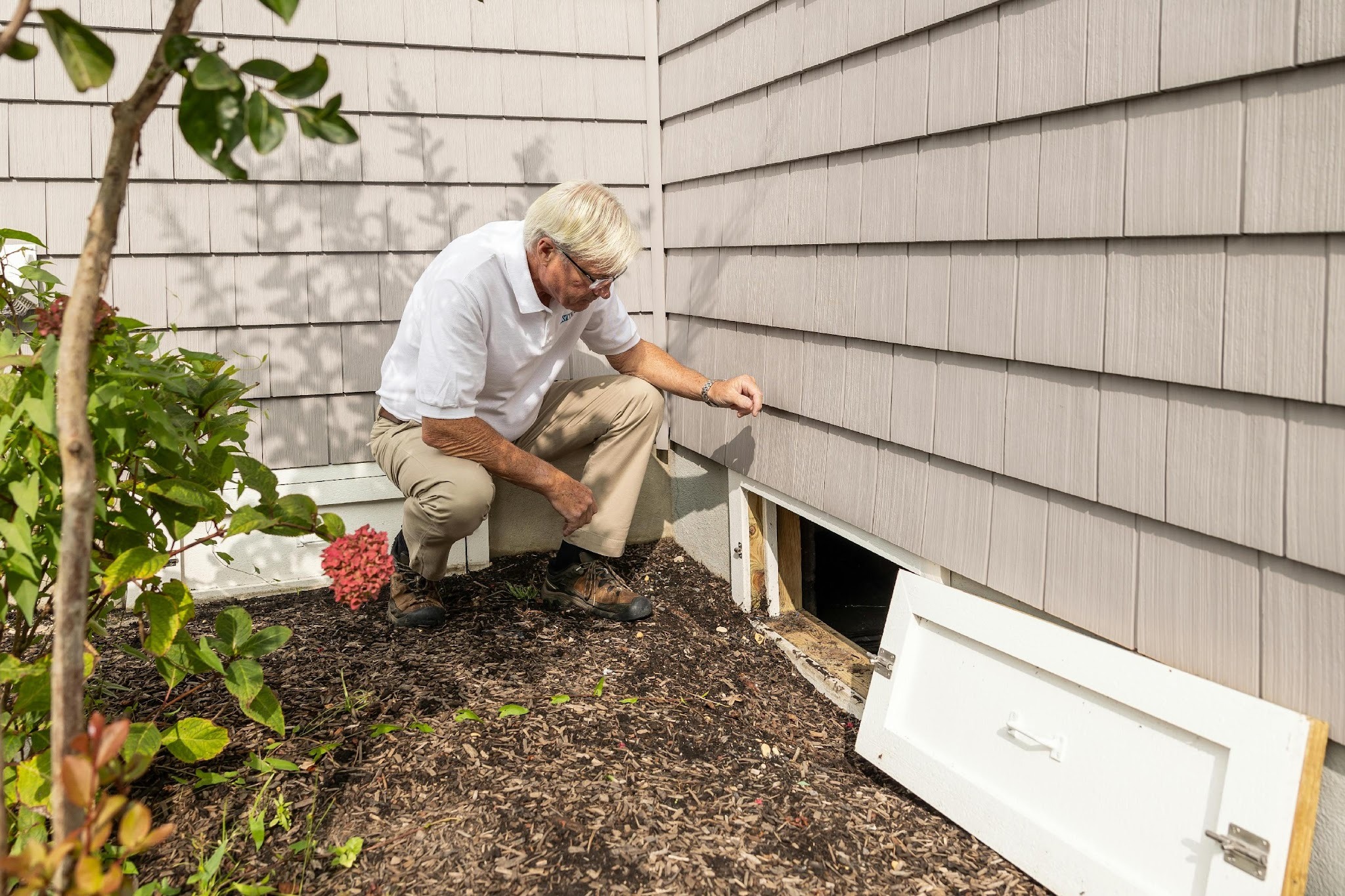
Regular inspections are equally important. Checking for signs of water intrusion, mold, or structural changes can help catch issues early before they escalate into major problems.
Conclusion
Crawl space moisture is not a minor issue in Charlotte. It is a persistent challenge driven by climate conditions, environmental factors, and home design. Left unchecked, it can lead to structural damage, health concerns, pest infestations, and increased energy costs.
By understanding the causes and taking preventative action, homeowners can protect their properties and maintain a safer, more comfortable living environment for years to come.