
Have you ever stopped to watch a construction site in action and wondered how those massive steel beams get lifted into place? What makes it possible to build towering structures in the heart of busy Australian cities? And how do construction crews manage to complete projects that would have seemed impossible just decades ago?
The answer, quite simply, lies in the remarkable capabilities of mobile cranes. These powerful machines have become the backbone of modern building projects, transforming what’s achievable on construction sites across Australia. From the bustling skylines of Sydney and Melbourne to remote mining operations in Western Australia, mobile cranes make the impossible possible every single day.
In this article, we’ll explore everything you need to know about mobile cranes and why they’ve become absolutely vital to contemporary construction. You’ll discover the different types of mobile cranes available, understand how they work, and learn about the innovative crane technologies shaping the industry’s future. Whether you’re a construction professional looking to expand your knowledge or simply curious about these engineering marvels, you’re in the right place. Let’s get stuck into it.
Types of Mobile Cranes: A Complete Guide
All-Terrain Cranes
All-terrain cranes represent the ultimate in versatility. These machines combine the road-travelling capabilities of truck cranes with the off-road performance of rough terrain models. They’re perfect for Australian conditions, handling everything from sealed highways to challenging bush tracks.
With multiple axles and all-wheel steering, they navigate tight spaces brilliantly while still delivering impressive lifting capacities.
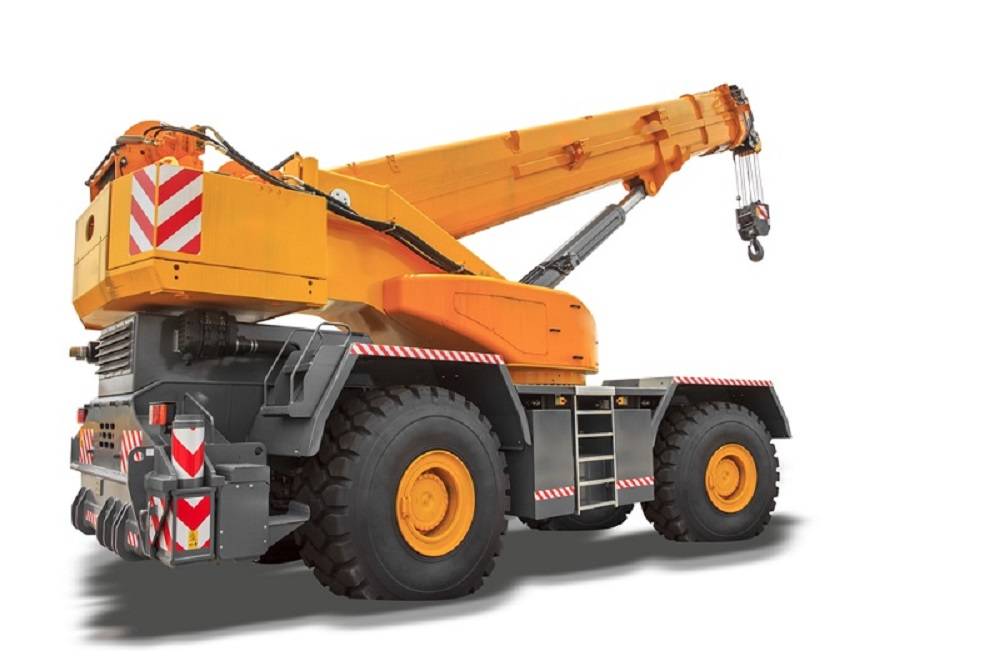
Rough Terrain Cranes
Designed specifically for unprepared ground conditions, rough terrain cranes feature large rubber tyres and powerful four-wheel drive systems. They’re commonly spotted on Australian mining sites and remote construction projects where ground conditions are less than ideal.
Crawler Cranes
Crawler cranes move on continuous tracks rather than wheels, giving them exceptional stability and the ability to work on soft or uneven ground. A heavy mobile crane of this type can lift extraordinarily heavy loads, making them ideal for major infrastructure projects.
Heavy Mobile Cranes for Large-Scale Projects
When standard cranes simply won’t cut it, heavy mobile cranes step in. These giants can lift loads exceeding 1,000 tonnes, making them essential for installing bridge sections, wind turbines, and prefabricated building modules. Australian infrastructure projects increasingly rely on these powerful machines.
What Is the Difference Between a Truck-Mounted Crane and a Mobile Crane?
This is a question that often comes up, and understanding the difference between a truck-mounted crane and a mobile crane is important. A truck-mounted crane is actually a specific type of mobile crane where the lifting mechanism is permanently fixed to a commercial truck chassis. In contrast, the broader mobile crane category includes purpose-built carriers designed specifically for crane operations.
Truck-mounted cranes offer excellent mobility on roads but typically have lower lifting capacities. Purpose-built mobile cranes sacrifice some road speed for superior lifting performance and stability.
Innovative Crane Technologies Shaping the Industry
Smart Load Monitoring Systems
The latest innovative crane technologies include sophisticated load monitoring that provides real-time feedback to operators. These systems calculate exactly how much weight the crane can safely lift based on boom angle, extension, and ground conditions.
Telematics and Remote Operation
Telematics systems allow fleet managers to monitor crane performance, schedule maintenance, and track utilisation across multiple sites. Some cutting-edge cranes even support remote operation, allowing expert operators to control machines from hundreds of kilometres away.
Eco-Friendly Engine Developments
Environmental concerns are driving the development of cleaner, more efficient crane engines. Hybrid systems, improved fuel efficiency, and reduced emissions are becoming standard features, helping Australian construction companies meet sustainability targets.
Comparing Crane Types: Which Building Construction Crane Is Right for Your Project?
Factors to Consider When Choosing a Crane for Building
Selecting the right crane involves weighing several factors. Consider the maximum load weight, required lift height, and reach distance. Ground conditions matter enormously—soft or uneven terrain demands different crane types than solid concrete foundations.
Access routes to the site influence decisions, too. Can a large crane physically reach the work area? What are the road restrictions along the way? Budget constraints, project duration, and local hire availability all play roles in the final decision.
What Type of Crane Is Best for High-Rise Construction?
High-rise projects typically require cranes with exceptional reach and stability. Tower cranes often dominate these sites, but mobile cranes play crucial supporting roles. All-terrain cranes handle initial construction phases, while heavy mobile cranes lift mechanical equipment to rooftops.
The types of mobile cranes best suited for high-rise support work generally feature long telescopic booms and excellent lifting capacities at height.
The Future of Mobile Cranes in Construction
Looking back at what we’ve covered, it’s clear that mobile cranes have become truly indispensable to modern construction. From their versatile designs and impressive lifting capabilities to the innovative crane technologies driving the industry forward, these machines represent the pinnacle of construction equipment engineering.
The future looks bright for mobile crane technology. We’re seeing continued development in automation, sustainability, and safety systems that will make these machines even more capable and efficient. Australian construction companies that embrace these advances will find themselves better positioned to tackle increasingly complex projects.
If you’re involved in construction, understanding crane types and their applications isn’t just helpful—it’s essential. Whether you’re planning a small commercial build or a major infrastructure project, the right mobile crane can make all the difference. So next time you pass a construction site and see one of these magnificent machines at work, you’ll have a much deeper appreciation for just how vital they are to building our modern world.