
Strong leadership is built through everyday choices, from asking better questions to trusting teams with decisions. Experts in the field share practical insights on delegation, listening, accountability, and thoughtful AI adoption. These proven approaches can help leaders build trust, strengthen teams, and improve results.
- Speak Last, Hear More
- Listen Before You Fix
- Seek Staff Input Early
- Transfer Client Trust to Producers
- Coach Field Crews to Decide
- Equip Technicians for Independent Calls
- Develop Leaders Who Uphold Standards
- Trust Your Clinical Team
- Define Quality, Then Let Go
- Grant Regional Leads Autonomy
- Make School Identity Visible
- Pause Before Complex Decisions
- Let Franchise Owners Lead Locally
- Ask Before You Answer
- Translate Technical Details Clearly
- Set Outcomes, Release Execution
- Assign Decision Rights by Role
- Foster Continuous Learning
- Let AI Triage Alerts
- Guide Human-Centered AI Adoption
- Build Trust Through Delegation
- Let Planners Solve Problems
- Lead With Questions
- Share Strategic Authority
- Decline Good Ideas
Speak Last, Hear More
I’ve been trying to answer less quickly. I’ll know what my answer is about 2 minutes into a problem in most cases. When the CEO speaks first, you lose the input of the people around you. At a 20+ person agency, this can be very tempting to do. You always want to give the client an answer before the end of the day. And everyone wants to look to the person who has been sitting in that chair the longest. Not to mention, it feels good to have that answer.
I speak last and ask more questions than I answer. It does slow me down, and we have some things that take a day or 2 longer than before (which the part of me that wants to fix everything doesn’t like). But the answers we get from our leadership meetings are better than what I could come up with. People also give me more answers when they know they’re not going to hear my answer after 2 minutes. I still answer too quickly on busy days, so it’s something I’m working on.

Cyrus Kennedy, Chairman & Acting CEO, The Ad Firm
Listen Before You Fix
One leadership skill I’m trying to get better at is recognising when someone needs me to listen rather than immediately fix something.
When you work in operations, you become quite good at spotting problems and finding solutions quickly. That’s useful when something genuinely needs sorting out, but I’ve realised that not every difficult conversation is asking for an immediate answer.
Sometimes someone just needs you to understand why something has been frustrating, or to acknowledge that they’ve been dealing with a difficult situation.
In accident management, our teams can spend their days helping people who are stressed, worried or frustrated after an accident. That can take a lot out of someone, even when they’ve handled everything professionally.
So I’m making a conscious effort to ask, ‘Do you want me to help work through this, or would it be more useful if I just listened first?’
I’m also trying to leave a little more space in conversations rather than jumping in the moment there’s a pause.
It’s a small change, but I think it matters. People don’t always need their manager to make a difficult situation disappear. Sometimes they need to know that what they’re experiencing has been properly heard.
For me, becoming a better leader means getting more comfortable with the fact that being helpful doesn’t always mean doing something immediately.

Shannon Smith O’Connell, Operations Director (Sales & Team Development), Claimsline
Seek Staff Input Early
I’m Charles Liu, founder and Marketing Director of Cubic Promote, a Sydney-based business employing around 30 people across Australia, the Philippines, Vietnam, and India. One leadership skill I am actively working on is listening more before making a decision. It can be difficult when you know you could make the call yourself, especially on marketing, sales or production matters where speed matters.
What I have learned is that the people closest to the work often have information I do not. In our marketing team, for example, we have people with deeper expertise in specific areas, so their input can change how I look at a problem.
I am trying to improve by asking for those perspectives earlier, rather than deciding first and getting feedback afterwards. I also make a point of asking what they are seeing, what they would change, and why before we lock anything in.
The goal is not to make every decision by committee. It is to gather the right information from the right people, then make a better-informed decision.

Mr Charles Liu, Marketing Director, Cubic Promote
Transfer Client Trust to Producers
The skill I’m working on is letting go of client relationships. Early on at Beverly Boy Productions, I was in almost every client conversation. That made sense when we were small, and a lot of our referral work grew out of that history. The problem is that a relationship that only runs through me doesn’t help the producer who has to make the hard call on a shoot day.
When a location falls through, or the schedule has to move, the client needs to trust the person in front of them. That trust has to be built before the problem shows up.
So the steps are practical. One producer is the main point of contact on a project, and schedule and approval changes get confirmed in writing through that person. Our producers also check in with clients between projects to ask what’s coming up, so the relationship builds a history that doesn’t depend on me. The next step is introducing producers to clients I’ve known the longest and letting them take real calls while I’m still close enough to back them up.
It is still faster for me to answer a client myself. Every time I do, the client has one more reason to skip the producer next time.
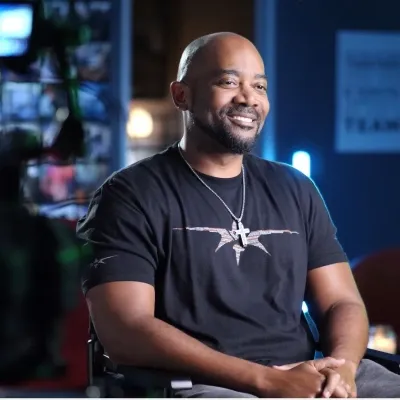
Tavares Beverly, Founder and CEO, Beverly Boy Productions
Coach Field Crews to Decide
I am currently focused on stepping back from direct field involvement. Leading operations at York Bridge Concepts for years, my instinct has been to solve on-site challenges myself. Now, as the leader of Bridge Consultancy, I recognize this approach can slow the team and distract me from client priorities. I am working to delegate decisions earlier and clarify which issues require my input. When I feel the urge to intervene, I ask questions that guide team members to their own solutions. For leaders transitioning from hands-on roles, I recommend using your experience to build others’ judgment rather than substituting your own.

Brian Kennedy, Director of Bridge Consultancy, York Bridge Concepts
Equip Technicians for Independent Calls
I am focusing on improving delegation. Since founding my business in 2014, I have been a hands-on owner, personally handling emergency calls. This approach built our reputation for prompt and honest 24/7 service. However, relying on one person limits team development and business growth. To address this, I am documenting my diagnostic and communication processes so technicians can manage jobs independently. I am also assigning experienced team members full responsibility for emergency calls and holding brief check-ins after each job to review successes, rather than correcting issues immediately.

Walter Nance, Owner/President Plumber, Discount Drain Cleaning Las Vegas
Develop Leaders Who Uphold Standards
The leadership skill I’m actively working on is delegation. Specifically, trusting my team to carry more of the diagnostic and client-facing work that I’ve historically held onto personally.
For most of my career, I’ve been directly involved in nearly every project. I spend time with every technician in the field. I walk sites with homeowners during the diagnostic phase. I’m the one who explains why we’re recommending micropiles over push piers and why engineering involvement matters. That hands-on approach is a big part of how we built the quality standard this company is known for. But it’s also a bottleneck. We have demand for more work than we can currently complete, and the limiting factor isn’t crews or equipment. It’s me.
The reason I’m working on this now is simple. The business has outgrown what any single person can personally touch. If I want Van Matre Construction to continue delivering the same standard of work ten and twenty years from now, I have to build a team that can hold that standard without me being in every conversation. That means developing other leaders inside the company who can diagnose like I diagnose, communicate with clients the way I communicate, and hold the quality line the way I hold it.
The steps I’m taking are deliberate. First, spending more intentional time with Tim and Lance on how they approach client conversations, so the depth of their experience shows up in every estimate. Second, pulling my field managers into decisions I used to make alone, especially the harder judgment calls when field conditions change or when we need to go back to the engineer. Third, documenting the reasoning behind why we do what we do, not just the methods themselves. The methods are easy to teach. The judgment underneath them takes longer.
The hardest part of this skill is accepting that other people will make decisions a little differently than I would, and that’s okay as long as the standard is preserved. Delegation isn’t abdication. It’s building other leaders you trust enough to represent the company the way you would represent it yourself.
My goal is for Van Matre Construction to continue being the gold standard on the Front Range long after I’m swinging a hammer every day. That outcome depends on the leadership skills I’m working on right now.

Brady Van Matre, Owner and Manager, Van Matre Construction
Trust Your Clinical Team
Honestly, the skill I’m working on most is letting go. I’m learning to delegate and trust my team with the things I used to hold onto myself.
I never planned to be a business owner. I had no business experience when we started Vibrant Health of Colorado, and in the beginning it was just one other nurse practitioner and me. When you’re that small, you do everything.
I was the one answering patient questions late at night after a full day of appointments. I even watched local Facebook groups so I could jump in whenever someone asked about functional medicine. That’s how we grew in the early days.
We’ve grown so much since then. We have seven nurse practitioners now, and I have the most incredible staff. They’re committed to our patients and to each other. But growth means I can’t be involved in every decision anymore, and I shouldn’t be. If I try to hold everything, I become the bottleneck, and that isn’t fair to my team or our patients.
A big part of why this matters to me is work-life balance. For years, our providers saw patients all day and then spent hours on their own time keeping up. I don’t want that for anyone on my team, including me. Moving into a membership or direct primary care model gave us more time with our patients, and learning to delegate is how I protect that time for all of us.
So what does that look like day to day? I lean on Erin, our practice manager, and trust her to run our operations. I let my providers lead in the areas they’re most passionate about instead of feeling like everything has to come through me. And I try to listen to my team before I make decisions, because they often see things I don’t.
It’s not always easy for me. I care a lot, and that can make it hard to step back. But I’ve learned that trusting the people around you is one of the most caring things a leader can do. My team is phenomenal, and the more room I give them, the more they shine.
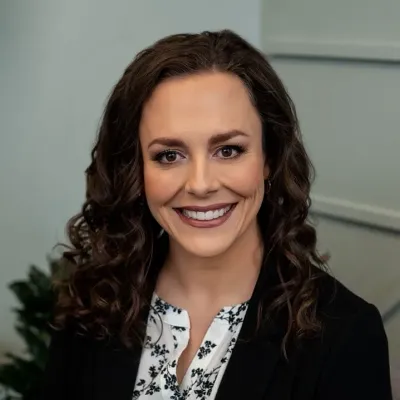
Deanna Woodroffe WHNP-BC, Board-certified Women’s Health Nurse Practitioner and the Founder and Clinical Director, Vibrant Health of Colorado
Define Quality, Then Let Go
The skill I am working on is letting people finish something at a quality I would not have chosen.
When I take a task back, I am not saving time. I am teaching the person that I will always take it back. They stop reaching, because the safe move is to wait for me to fix it. Then the company cannot grow past what I personally touch, and I become the ceiling I keep complaining about.
It is a little embarrassing to admit, because it looks like caring about quality. Mostly it is impatience. Doing it myself is faster this week and more expensive every week after. I know that, and I still do it.
What I do now: before a task goes out, I write two or three sentences on what good looks like, including what does not matter. I used to carry that in my head and then quietly punish people for missing it. When the work comes back, I ask whether it meets that description, not whether I would have done it that way. Those are different questions, and the second one is nearly always the one I am answering.
Progress is partial. Sometimes I still open a document that is not mine and start fixing sentences before I notice. The gap between noticing and stopping is shorter than it was. Some work goes out at a level I would not have shipped myself, and the company survives. A few times the other version was better than mine would have been, which I did not expect.
I do not have a clean arc. I have a habit I catch more often than before, and some days I still miss it.

Orkan Arat, Chief Executive Officer, Plondo Network Inc
Grant Regional Leads Autonomy
The leadership skill I am actively refining is Contextual Delegation – shifting from micro-managing execution to granting full operational autonomy to our regional leads. Operating across four global hubs in the US, UK, UAE, and India, I tended to step into tactical workflows during rapid expansion to ensure quality control. However, controlling the how created a severe executive bottleneck that slowed down project delivery and stifled senior talent.
To fix this, I replaced direct tactical oversight with clear operational guardrails. Instead of dictating execution steps, I now define non-negotiable boundaries such as budget limits, security standards, and delivery deadlines and give regional leads full ownership over the technical execution. Combined with asynchronous decision logs where leads document their operational calls in real time, this transition has reduced delivery friction and empowered our managers to operate as true, decisive leaders.

Parth Patel, Director of Operations, SHALIGRAM
Make School Identity Visible
The skill I am most actively working on right now is visibility. And I want to explain what I mean by that, because it’s not the kind of answer people expect.
I have never had difficulty knowing who I am or what I believe. After 30 years, the school’s identity is deeply clear to me and to everyone who inhabits it. What I have had difficulty with, and what I am working on consciously now, is sharing that identity with the world outside our walls. I don’t want L’Atelier to be the best-kept secret in town anymore. Thirty years of extraordinary work deserves to be seen.
This is genuinely uncomfortable for me. I was formed in a culture of depth, of careful research, of building something real before saying anything about it. That formation serves the school beautifully. It has been less useful in a world where visibility is often what determines whether the right families ever find you.
The steps I am taking are concrete. I am working with a team on the school’s digital presence for the first time in a serious and sustained way, understanding how families search for schools, how L’Atelier appears or fails to appear in those searches, and what it would take to close that gap. I am writing a book, which is its own form of making the school’s thinking visible to a much wider audience. I am continuing my weekly work with a life coach, which is where I examine the discomfort of this particular growth edge honestly rather than just noting it intellectually.
What the Aspen Institute Colombia experience taught me in 2025 is relevant here too. Sitting in a room with 23 people very different from me, engaging in text-based dialogue on the values of a good society, confirmed that personal purpose and collective responsibility are never separate. L’Atelier’s work matters beyond South Miami. Improving visibility is how I honor that.
It is, at its core, a practice of courage. And I’m working on it.

Simonetta Cittadini, Founder and Director, L’Atelier School
Pause Before Complex Decisions
One of the leadership practices I am currently developing is taking my time making decisions especially on slowly developing issues – something I only got used to when I started working in marketing, where immediate responses were the order of the day.I can swiftly make a decision within half a minute, and it worked perfectly for me when Thrive had a small team of 160 people; even the slightest lapse of judgement in making a quick decision could be costly, and that’s what I am currently being coached on.
What is my way of dealing with it? When it comes to complex issues, I find myself thinking about a business issue even as I fall asleep, even when I am madly confident in my standpoint. I developed this habit after a hiring meeting I didn’t dig into —I didn’t delve into an interview extensively, and it turned out the person didn’t work out. With proper time allotment, I would have caught the moment that was missing from the hiring conversation.
Now I have trained my employees to bring me a second best alternative to their proposal – in order to compel me to compare the actual options. Speed is what a founder can leverage in uncertain times.

Brandon George, Director of Demand Generation & Content, Thrive Internet Marketing Agency
Let Franchise Owners Lead Locally
I’m working on breaking my habit of jumping in to fix every local problem for our franchise owners. Roofing marketing depends on the season and the location. When a big hailstorm hits a city, the local branch needs to get its marketing out right away, before out-of-town contractors show up looking for storm work. Some of our owners hire our in-house marketing team to handle it for them, but many run their own. My old habit was to swoop in on those owners too, take over their marketing accounts, and write everything myself because I was worried they’d miss their window after the storm. I told myself I was being a supportive leader, but really, it was micromanaging that looked like help.
To fix this, I’m learning to wait until I’m asked. Owners who run their own marketing know their area better than I do, so I let them take the lead. If they want help, I’m there to answer questions or share what’s worked for other locations. It’s uncomfortable to watch a branch do things differently than I would, but stepping back gives them the chance to get better at it on their own.

Maureen Thomsen, Brand Marketing Manager, Mighty Dog Roofing
Ask Before You Answer
Not answering right away.
A big part of my job is mentoring senior managers, and I’ve noticed my most generous habit is also my least helpful one. Someone brings me a problem, I’ve seen something like it before, and I hand over the answer in about forty seconds. It feels efficient. What it really does is teach a capable person that the fastest way through a hard decision is to bring it to my desk.
So I’m practicing a slower reflex. When a manager brings me a decision, my first reply is a question: what would you do if I were unreachable this week? Most of the time their answer is good, often better than mine, because they’re closer to the client or the team. When it isn’t, the conversation about why is worth far more than my forty-second answer would have been.
In practice, I wait a day before weighing in on anything a manager owns, and I’m clearer about which decisions are fully theirs and which actually need me. The honest measure of progress is that fewer things end up on my plate. So far it’s moving in the right direction, slowly.

Kate Dzhevaga, Vice CEO, SYMVOLT
Translate Technical Details Clearly
As Digital Marketing Manager at Astro Pak, I’m actively working on translating complex technical concepts into clear, compelling narratives for diverse audiences. In an industry like precision cleaning and passivation, our clients range from aerospace engineers who understand electropolishing nuances to procurement teams who need to grasp value without getting lost in specifications. I’m improving by conducting monthly reverse-briefings where I present campaign messaging to our technical staff and ask them to highlight any accuracy gaps or oversimplifications. I also schedule quarterly calls with clients across different sectors to understand how they actually talk about our services internally. This direct feedback loop has sharpened my ability to communicate technical credibility without alienating non-specialists, which is essential when you’re marketing services that literally enable missions to Mars but need to resonate with every decision-maker in the chain.

Kevin Peguero, Digital Marketing Manager, Astro Pak
Set Outcomes, Release Execution
The area where I’ve been focusing the most recently is delegating without sacrificing visibility into the team’s work. In marketing, there are always a dozen things moving at once, and my instinct is often to stay too close to projects because I know the details and want to make sure the work reflects our standards. But I also realize that if I’m too involved, that can unintentionally limit the team’s ownership of their work and reduce my capacity to focus on higher-level strategy. It’s about finding the right balance, and that’s what I’m aiming to improve currently.
My approach to developing in this area has been to clarify the outcome I want and resist the impulse to prescribe every step involved in getting there. With larger campaigns, I’ve been focusing on setting expectations up front about the audience, business objective, and what success looks like, then allowing the team member who owns each area to determine how to execute. I’ve also been using shorter check-ins with team members instead of constantly reviewing work in progress. This lets me still catch problems early on without resorting to micromanagement, while still giving team members room to develop their own judgment.

Steven Speet, VP of Marketing & Communications, Equiliem
Assign Decision Rights by Role
One thing I’m working on learning to delegate is decisions. Not only tasks but the actual decision that comes along with that task. It’s something that continues to grow as we add more properties to our portfolio. Being able to give someone a task and not worry about it being completed properly isn’t difficult, but giving them the ability to make that decision is what I continue to struggle with.
As your company grows, you have more decisions to be made. Once you reach a point where you’re delegating every decision to yourself, you’re going to slow down. All of these things need to happen as quickly as possible when you’re managing around 100 properties in 3 different markets. Learning to delegate decisions to your team will allow your company to grow.
What we’ve done is create certain decisions that are delegated to specific positions. By doing this, they can make those decisions without consulting me, and I’ve been able to check back with them and learn from any mistakes. It’s been helping us learn from each other and become more efficient.

Steve Kifer, Manager, Ritzy Room
Foster Continuous Learning
One leadership skill I am actively developing is cultivating a stronger continuous-learning culture within my team. I believe giving employees direct access to the ideas and resources I encounter accelerates their growth and aligns our approach. To do that, I participate in Mastermind groups and share all written and video material with key employees, bring them to events, and circulate books, memes, and short social content so their feeds surface the same concepts I see. Those practices build shared context and speed better decision-making across the team.
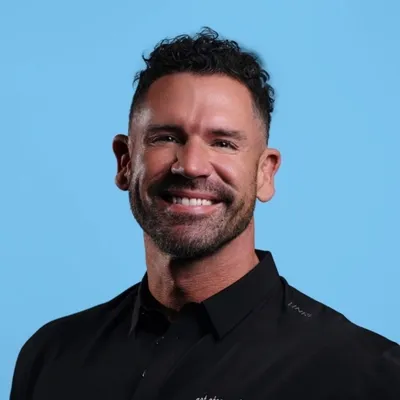
Seth Berge, Founder, CEO, Regenerative Revival
Let AI Triage Alerts
The skill I’m working on is not answering the alarm myself.
For my whole career, an alert meant I dropped whatever I was doing. I was once halfway to a friend’s dinner party when an alert came in; my wife drove me home and went on without me. A few years before that, alerts came in half an hour before a boat ride out to a restaurant with friends, and I never got on the boat. For a long time I thought that was simply what running a technical company required.
The steps have been practical. When our monitoring flags a site as down, an AI session now starts investigating on its own, read-only, and the diagnosis shows up on my phone. Nothing gets fixed until I tap approve. I’m still accountable, but I’m no longer the first responder by default.
The harder part is the habit: trusting the process when it’s working instead of jumping in anyway. I’m not all the way there. But the point was never to hand the business to software. It’s a better balance and better work, and I don’t think a leader who drops everything for every alert gets either one.

Shane Larrabee, President/Founder, FatLab Web Support
Guide Human-Centered AI Adoption
The skill I’m working on is leading well through AI. I don’t know all the ways it can help us yet, and I’m comfortable saying that while we figure it out. Our clients want AI features, and nonprofit teams are stretched thin, so a good tool can feel like adding another person to the team.
We’ve started using AI for first responses in client chats, so simple questions get answered quickly, and we use it to support content development. I also stay close to our sales team because they hear directly from clients about what’s working and what they need next.
The harder part is judgment. A newsletter written entirely by AI can lose the voice supporters know, and a customer who can’t reach a real person gets frustrated quickly. My job is to help the team use AI where it saves time while keeping the human support our clients value. We keep testing, learning, and adjusting.

Lisa Bennett, Director, Sales & Marketing, DoJiggy
Build Trust Through Delegation
Strengthening my ability to delegate effectively is a skill I’m intentionally cultivating. Early in my role as a Business Development professional at CheapForexVPS, I often took on too many responsibilities myself, convinced it would guarantee quality and momentum. While this approach delivered results short-term, it quietly stifled the growth potential of our team’s output. I realized that entrusting colleagues with meaningful work builds not just productivity but genuine confidence and commitment across the group.
To grow in this area, I’ve introduced tactics like developing structured workflows and decision-making frameworks that cut through bottlenecks. During a recent product rollout, assigning role-specific ownership to team members trimmed the onboarding timeline by 25%, while staff surveys revealed sharper clarity and stronger job fulfillment. I also launched bi-weekly “challenge reporting” conversations where colleagues surface obstacles and collaborate on solutions. This approach cements accountability while keeping communication channels open for mentorship.
Delegation stretches far beyond redistributing work; it’s about positioning others to excel with the right resources, direction, and independence. For leaders wrestling with the “I’ll handle it myself” instinct, begin by transferring smaller responsibilities with well-defined guidance, then broaden the scope as confidence builds on both sides. Mastering this discipline doesn’t just lighten a leader’s load; it allows your team to flourish and uncovers the next generation of leaders within your ranks.

Corina Tham, Sales, Marketing and Business Development Director, CheapForexVPS
Let Planners Solve Problems
The leadership skill I’m actively working on is staying quiet long enough for someone else to solve the problem. My instinct is to jump in before anyone even asks.
I built Poppy Planning hands-on, and for a long time, being useful meant being the person with the answer. That works until it doesn’t. A team only grows if I let them wrestle with the hard call instead of handing it to them the second I see them hesitate. What I eventually figured out is that my speed was quietly capping theirs. If I’m always the fastest answer in the room, nobody else gets the reps.
Here’s what I’m actually doing about it. When a planner brings me a problem now, I ask “what would you do?” before I say anything, and then I sit in the silence even when it’s uncomfortable (genuinely uncomfortable, not just a little). At a recent Austin wedding, one of my leads flagged a vendor delay and looked straight at me to sort it. I bit my tongue and turned the question back on her. She came back with a better fix than I’d have offered, and she ran it herself. That’s the whole point.
The skill isn’t knowing the answer. It’s knowing when to keep it to yourself so somebody else gets the win.
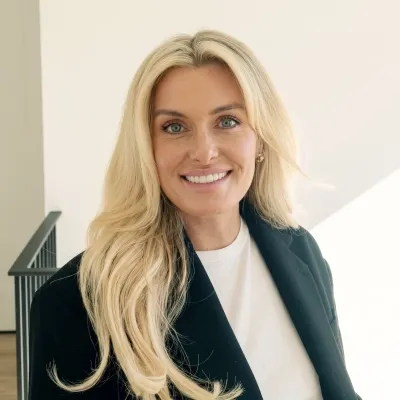
Emmy Byers, Founder and Managing Director, Poppy Planning
Lead With Questions
As an HR leader, people bring me their hardest problems all day. The skill I am actively working on is not solving them faster. It is resisting the urge to solve them at all.
My instinct has always been to jump in with the answer. I am learning that when I do that, I rob the other person of the thinking they need to do. So I am practicing asking one more question instead of offering one more solution. It feels slower in the moment, but the people I coach make better decisions when I am not in the room.
The step I am taking is simple and uncomfortable: in every coaching conversation, I set a rule for myself to ask at least three questions before I share an opinion. I track it loosely at the end of the day. Some days I fail at it completely, and those are usually the days my calendar was the most packed.

Jonathan Lewis, VP, People Operations, Lewis Luck
Share Strategic Authority
I’m trying to delegate strategic decisions, not just day-to-day tasks. After 25 years building BlackJet from scratch, I still find myself jumping into details my team should own. It’s a founder problem. You build something by controlling everything, and then that same habit limits you.
I’ve started holding back in leadership meetings. I count to ten before offering solutions. Sounds simple, but it gives my team room to step up. I’m also meeting with an executive coach quarterly to spot where I’m getting in the way without meaning to. The point isn’t stepping away from the business. It’s multiplying what I can do by trusting the people who’ll take BlackJet further than I could on my own.
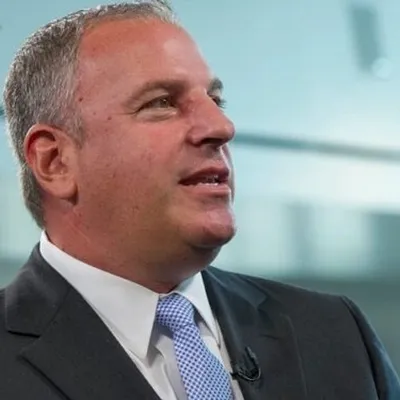
Dean Rotchin, CEO at BLACKJET, BlackJet
Decline Good Ideas
The skill I am working on is saying no to good ideas. Bad ideas are easy to turn down. The hard ones are the new brand that would look lovely on the site, the collaboration request that sounds flattering, the extra product line a customer asks for once.
I run a small curl shop with 28 products from four brands, and every yes costs attention I do not get back. Early on I said yes too often, and the things that actually kept customers happy, clear advice and a shelf they could trust, got less of my time.
The steps are simple, and I still find them uncomfortable. Any new product now has to replace one already on the shelf rather than sit beside it. Each Monday I write down three priorities for the week, and anything that does not serve one of them waits. And when I decline something, I say why in one honest sentence instead of leaving it vague, which has made saying no feel less like a rejection.
It matters because of the customer. The UK Curl Report 2026 found that UK women spent £416 before finding a routine that works. A bigger, busier shelf would only add to that search.

Emma Rusby, Director, Zenvy Beauty