
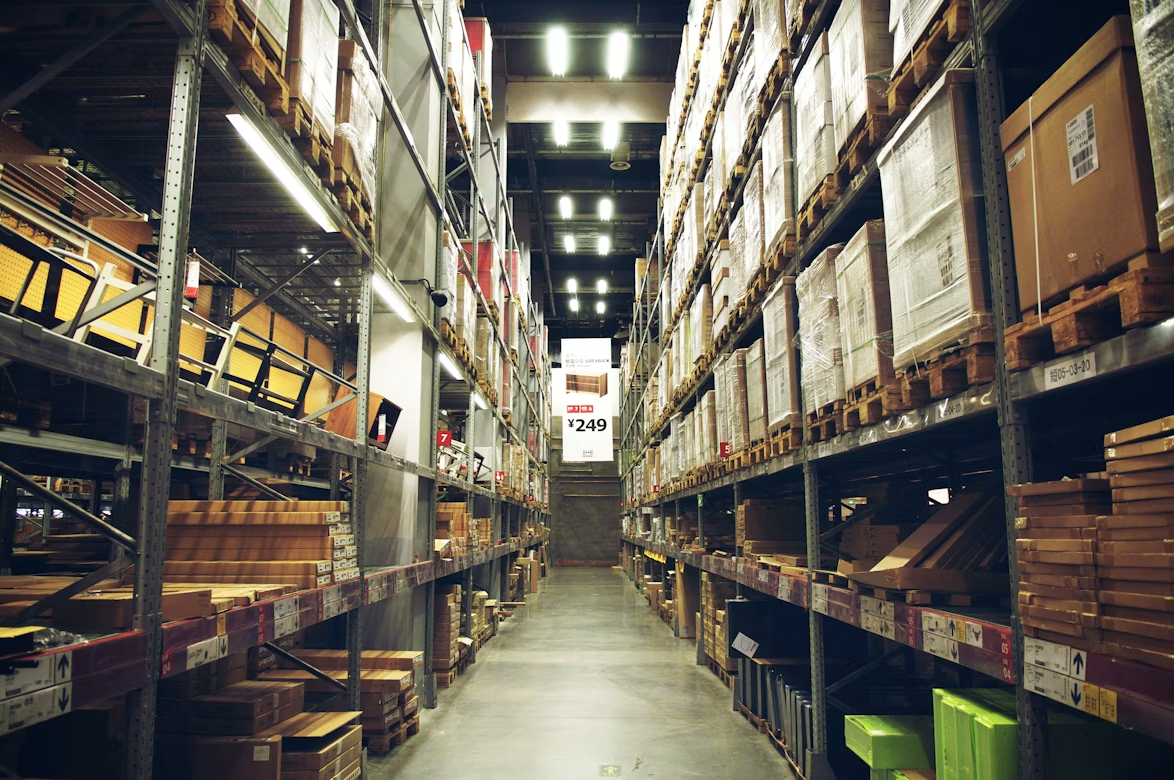
Everyone wants to expand, but growing too fast can create challenges that brands aren’t always ready for. It is completely understandable to want to add more warehousing capacity, hire more people, or outsource fulfillment as your sales increase. However, such expansion may be premature and create costs, customer service problems, and other troubles you didn’t foresee.
Fulfillment is not limited to order picking and packaging. It involves managing inventory, processing and packaging orders, handling returns, managing carrier relationships, and communicating with customers. Brands that do this strategically have an advantage as they grow.
Here are five common mistakes brands make when trying to scale too fast.
- Expanding Warehouse Space Before Proving Demand
A typical mistake is to expand warehouse space based on a temporary increase in sales. A successful campaign, holiday season, a mention from an influencer, or a retail store launch can make sales look impressive. If a brand leases a warehouse or buys equipment without first proving that demand will stay at high levels, it may face high fixed costs.
More space does not always mean more satisfaction. Additional space may require more staff, machinery, procedures, safety measures, and management of inventories. Lack of an operational plan may lead to increased traveling times for employees and difficulty finding inventory.
Before increasing the size of a facility or renting more space, companies must consider sales trends over several months, identify seasonal patterns, and develop demand scenarios. They have to distinguish between ongoing demand and one-offs. Flexible inventory systems, temporary staff, and shared warehouse space can be a safer alternative until the company gets more information.
- Adding Inventory Without Improving Forecasting
When companies grow, they tend to order more products. However, having too much inventory can be harmful without good forecasting. Excess inventory ties up capital, incurs additional storage costs, and results in obsolete, damaged, or expired products. This issue is especially vital for companies that sell seasonal goods, foods, fast-moving consumer items, cosmetics, or goods of different sizes and colors.
Underestimating demand can result in stockouts, backorders, canceled orders, and dissatisfied customers. However, increasing inventory is not always the answer to this problem. It requires enhanced visibility into the performance of products, sales channels, lead times, supply chain partners, and replenishment points.
Brands need to regularly analyze which products account for most volume and margin, identify slow-moving products, and know which SKUs generate the most complexity. Enhanced inventory management allows for easier scaling of fulfillment activities since the required warehouse capacity, labor, and other considerations will be based on realistic demand data rather than assumptions.
- Relying Too Much on Manual Processes
Processes like manual spreadsheets, handwritten notes, order updating via emails, and disconnected systems might work in the initial stages of running a business. However, they become less reliable as order volumes grow. A system that requires a few minutes of attention per order becomes very hard to manage once there are hundreds of orders.
Manual operations can lead to duplicate records, misplaced inventory, wrong addresses, overselling, and delayed fulfillment. They also make it hard to find out what causes a particular mistake. For instance, when inventory records do not match physical inventory, it’s difficult to determine if the issue originated from receiving, storage, picking, returns, or synchronization processes.
- Choosing a Provider Based Solely on Price
Outsourcing is a way to get access to warehousing, pick-and-pack services, shipping services, inventory management, returns processing, and transportation coordination. Some brands opt for a fulfillment provider based solely on the rate they quote. It might turn out to be quite expensive if the provider does not have the right systems and expertise to serve the company’s needs.
A low price per order does not necessarily include fees for receiving goods, warehousing, packing materials, special handling, returns, accounts management, or holiday spikes. Brands must also pay attention to whether a supplier can scale operations in response to changes in order volumes, support multi-channel sales, provide accurate reports, and adhere to expected delivery schedules.
For a brand seeking a 3pl partner, price must not be the only criterion. The proper partnership must guarantee visibility, predictable systems, scalable warehousing and labor, and a customer experience consistent with the brand’s standards.
- Neglecting the Issue of Returns
Too often ignored in business growth considerations, returns become inevitable as order numbers increase. Returns, exchange requests, damaged deliveries, and customer queries all become more frequent as you grow. Without a properly established reverse logistics process, companies will end up with lots of returned goods, inaccurate inventory, and dissatisfied customers due to long waits for getting returns or replacements.
The returns process must outline how items should be handled upon arrival at the facility, including how they are checked, stored, scrapped, repaired, and/or returned to the supplier.
Scale Your Business With a Clear Strategy
Scaling fulfillment is not only about managing more shipments but also about maintaining process accuracy and flexibility as complexity increases. Companies that adopt an incremental, data-driven approach to scaling fulfillment can grow without letting the challenges of growth become insurmountable obstacles.