
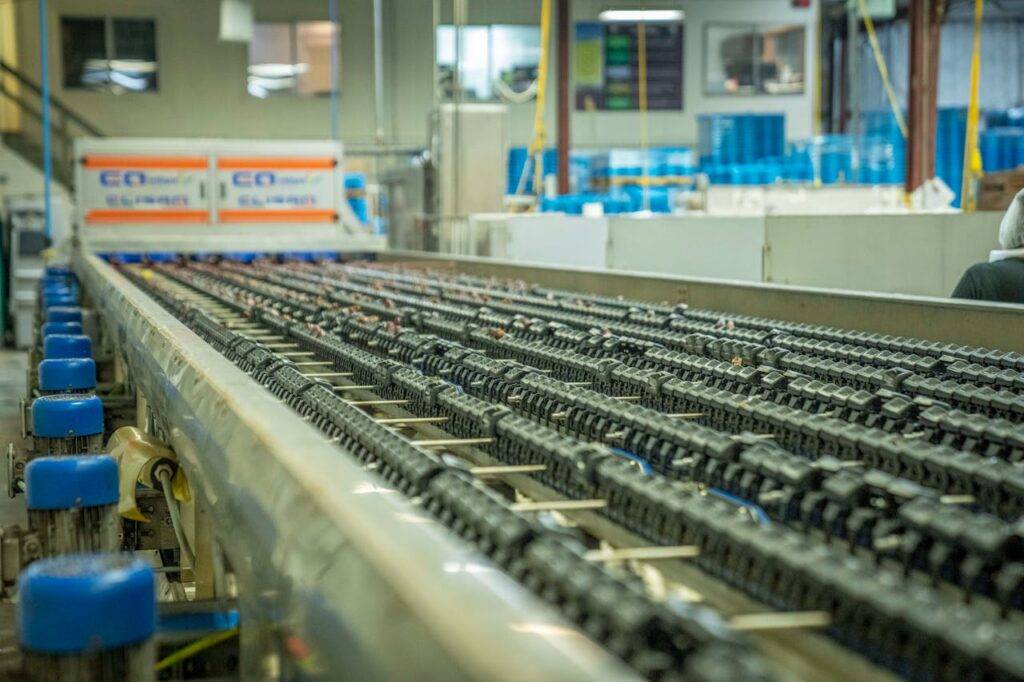
In industrial and manufacturing environments, equipment precision isn’t just a nice-to-have; it’s the difference between smooth operations and expensive headaches. Whether you’re overseeing automated assembly lines, CNC machinery, or material handling systems, keeping equipment moving smoothly and accurately directly impacts productivity, product quality, and workplace safety. By taking a proactive approach and understanding what really affects movement systems, you’ll extend equipment life while maintaining the precision your operations depend on. These five practical tips will help you keep your motion control systems performing at their best.
1. Implement a Regular Lubrication Schedule
Think of lubrication as your equipment’s lifeline. Without it, metal grinds against metal, generating heat that accelerates wear and sets the stage for catastrophic failures. It’s not just about applying lubricant, though; it’s about applying the right lubricant at the right time in the right amount. Start by establishing a lubrication schedule that reflects both manufacturer recommendations and your actual operating conditions. High-speed applications? Harsh environments with temperature extremes? These factors mean you’ll need to lubricate more frequently than equipment running under standard conditions. Pay close attention to choosing the correct lubricant type, too, since different applications demand specific viscosities and formulations designed for particular temperatures and load requirements.
2. Conduct Systematic Inspections and Alignment Checks
Regular inspections aren’t just box-checking exercises; they’re your early warning system. By scheduling comprehensive visual and mechanical inspections at set intervals, you’ll catch minor issues before they become production-stopping disasters. What should you look for? Unusual wear patterns, scoring, discoloration, or debris buildup that suggests something’s not operating correctly. Alignment deserves special attention here. Even slight misalignment creates uneven load distribution, increases friction, and speeds up component degradation. Don’t rely on eyeballing it; use precision measurement tools like dial indicators, laser alignment systems, or straightedges to verify everything stays within specified tolerances. Check mounting surfaces carefully, making sure they’re flat and undamaged, since compromised mounting points throw off alignment.
3. Control Environmental Contaminants
Dust, dirt, moisture, and chemical exposure are silent killers of precision movement systems. Contaminants act like sandpaper on bearing surfaces, while moisture invites corrosion that interferes with smooth operation. The solution? Create barriers between your equipment and these environmental threats. Install protective covers, bellows, or enclosures that shield moving components from airborne particles and liquids without restricting movement. Working in particularly harsh conditions? Consider positive pressure enclosures or purge systems that create a clean air barrier around sensitive components. Don’t let debris accumulate; regularly clean exposed surfaces before contaminants migrate into critical areas.
4. Monitor Load Capacities and Operating Conditions
Pushing equipment beyond its design limits is like running a marathon in dress shoes; it might work briefly, but you’re setting yourself up for failure. Understanding and respecting load capacity ratings keeps your movement systems operating in their sweet spot. Take time to regularly assess the actual loads your equipment handles, including static forces, dynamic forces, and those shock loads that occur during startup or stopping. For automated systems requiring precise positioning, professionals who need to verify load distribution across motion components often rely on a linear guide rail system to ensure accurate force transmission and minimal deflection. Overloading causes permanent deformation, increases deflection beyond acceptable limits, and stresses mounting points and fasteners in ways they weren’t designed to handle.
5. Replace Worn Components Proactively
Even with stellar maintenance practices, every mechanical component eventually wears out. The question isn’t whether you’ll need replacements; it’s whether you’ll replace components on your schedule or theirs. Developing a proactive replacement strategy based on condition monitoring and manufacturer recommendations prevents those surprise failures that halt production. Establish clear replacement criteria: measurable wear limits, acceptable performance tolerances, and time-based intervals for critical components. Keep essential spare parts in inventory, especially components with long lead times or those critical to operations. When replacement time comes, don’t cut corners with inferior parts. Always use genuine or equivalent-quality components that meet original equipment specifications, because substituting cheaper alternatives compromises performance and can damage other system elements.
Conclusion
Maintaining smooth and accurate equipment movement isn’t about any single action; it’s about creating a comprehensive approach that combines regular maintenance, environmental control, smart operating practices, and proactive component replacement. By implementing these five essential strategies, you’re building a systematic framework that protects your investment, maximizes reliability, and ensures consistent performance over the long haul.