
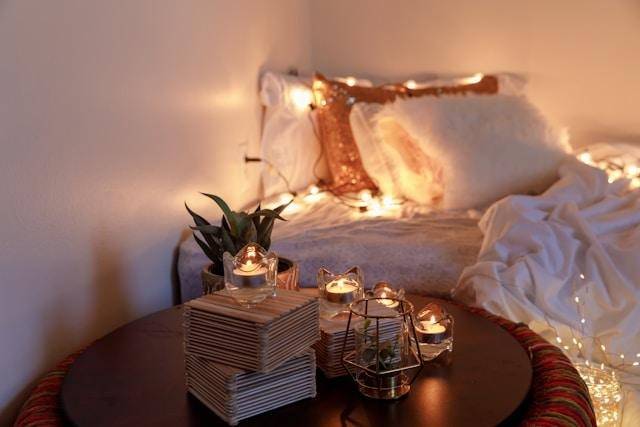
Creating a comfortable home involves much more than selecting attractive furniture or following the latest interior design trends. The most inviting spaces engage the senses in thoughtful ways, making people feel relaxed, welcome, and at ease. Sensory design focuses on how a room looks, feels, sounds, smells, and functions, helping transform ordinary spaces into environments that support everyday well-being.
Whether you’re redesigning a single room or enhancing an entire home, incorporating sensory elements can significantly improve comfort and satisfaction. By paying attention to the details that influence human experience, homeowners can create spaces that feel balanced, cohesive, and enjoyable throughout the year. Here are six sensory design ideas that can elevate comfort in every room.
Incorporate Soft and Layered Textures
Texture plays a major role in how people experience a space. Rooms filled with hard, flat surfaces can feel sterile or unwelcoming, while layered textures add warmth, depth, and visual interest.
Consider incorporating plush rugs, upholstered furniture, knit throws, velvet cushions, or natural woven materials. Combining multiple textures creates a rich sensory experience that encourages relaxation and comfort. For example, pairing a smooth leather chair with a soft blanket and a textured area rug can create a cozy reading corner.
Texture also helps make rooms feel more personalized and inviting. Even small additions, such as decorative pillows or fabric wall hangings, can significantly enhance a room’s overall atmosphere.
Use Lighting to Create Mood and Flexibility
Lighting has a powerful influence on how people feel within a space. Harsh or overly bright lighting can create discomfort, while thoughtfully layered lighting promotes relaxation and functionality.
A balanced lighting plan includes ambient, task, and accent lighting. Ambient lighting provides general illumination, task lighting supports specific activities such as reading or cooking, and accent lighting highlights architectural features or décor.
Dimmers are particularly useful because they allow homeowners to adjust brightness levels throughout the day. Warm-toned lighting in living rooms and bedrooms can create a calming environment, while brighter illumination may be more suitable for workspaces and kitchens.
By giving occupants greater control over lighting conditions, rooms become more adaptable and comfortable for different activities and moods.
Introduce Calming Scents Throughout the Home
Scent is one of the most influential yet often overlooked aspects of interior design. Certain fragrances can evoke feelings of comfort, relaxation, and familiarity, contributing to a more enjoyable living environment.
Subtle aromas from fresh flowers, essential oil diffusers, or premium scented candles can help establish the desired atmosphere within a room. Lavender is commonly associated with relaxation; citrus scents can promote energy and freshness, while vanilla often creates a sense of warmth and comfort.
The key is moderation. Overpowering fragrances can become distracting, whereas gentle, consistent scents enhance the overall sensory experience without overwhelming occupants or guests.
Minimize Unwanted Noise
Acoustic comfort is essential for creating peaceful and functional living spaces. Excessive noise from outside traffic, household appliances, or echoes within a room can contribute to stress and reduce overall comfort.
Soft materials naturally absorb sound and help reduce noise levels. Curtains, rugs, upholstered furnishings, and fabric wall panels can significantly improve acoustics while also contributing to the room’s design aesthetic.
For those working from home or seeking quiet relaxation areas, strategic furniture placement and sound-absorbing materials can create a calmer environment. Even small changes, such as adding a large rug or heavier curtains, can noticeably improve acoustic quality.
A quieter space often feels more relaxing, allowing occupants to focus, unwind, and enjoy their surroundings more fully.
Choose Nature-Inspired Colors and Elements
Color affects mood, energy levels, and overall perception of a space. Nature-inspired palettes are especially effective for promoting comfort because they create a sense of harmony and connection to the outdoors.
Soft greens, warm beiges, muted blues, and earthy browns often produce a calming effect. These colors can be incorporated through wall paint, furniture, accessories, and artwork.
Natural materials such as wood, stone, bamboo, and indoor plants further strengthen this connection. Houseplants not only add visual appeal but also introduce organic shapes and textures that make rooms feel more vibrant and welcoming.
Integrating natural elements creates an environment that feels balanced and timeless, contributing to both comfort and visual sophistication.
Design for Ease of Movement and Function
A beautiful room should also support daily living. Poor furniture placement, cluttered layouts, and limited accessibility can create frustration and reduce comfort regardless of how attractive a space appears.
Thoughtful spatial planning ensures that rooms are easy to navigate and use. Furniture should allow for clear walking paths, while storage solutions should keep necessary items accessible without creating visual clutter.
Multi-functional furniture can be especially valuable in smaller spaces. Ottomans with storage, expandable tables, and modular seating help maximize both comfort and practicality.
When a room functions efficiently, people can move naturally through the space and focus on enjoying their environment rather than working around obstacles.
Conclusion
Sensory design extends beyond aesthetics by considering how a space is experienced on multiple levels. Thoughtful attention to texture, lighting, scent, acoustics, color, and functionality can dramatically improve comfort throughout the home.
By incorporating these sensory design ideas, homeowners can create spaces that not only look appealing but also support relaxation, productivity, and everyday well-being. The result is a more welcoming environment where every room feels intentionally designed for comfort and enjoyment.