
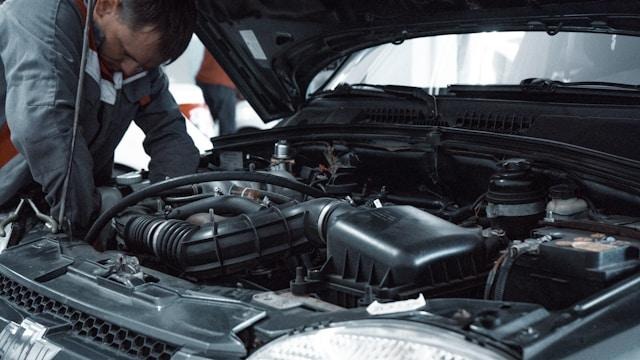
Vehicle ownership comes with ongoing responsibilities, and one of the most important is preventive maintenance. Many costly auto repairs do not happen suddenly. Instead, they develop gradually due to neglected maintenance, overlooked warning signs, or poor driving habits. What starts as a minor issue can quickly turn into a major repair bill if left unaddressed.
The good news is that adopting a few smart habits can significantly reduce the risk of unexpected breakdowns and expensive repairs. By taking a proactive approach to vehicle care, drivers can improve performance, increase reliability, and extend the lifespan of their cars. Here are seven smart habits that can help prevent costly auto repair expenses and keep your vehicle running smoothly.
Stay Consistent With Oil Changes
Regular oil changes are among the simplest and most effective ways to protect an engine. Motor oil lubricates critical engine components, reducing friction and preventing excessive wear. Over time, oil breaks down and becomes contaminated with dirt, debris, and combustion byproducts.
When oil is not changed according to the manufacturer’s recommendations, engine components can wear prematurely, leading to reduced efficiency and potentially severe damage. In extreme cases, neglected oil maintenance may result in complete engine failure.
Following a consistent oil-change schedule helps ensure proper lubrication, improves fuel efficiency, and promotes long-term engine health.
Pay Attention to Warning Lights
Modern vehicles are equipped with sophisticated monitoring systems designed to alert drivers when something requires attention. Unfortunately, many people ignore warning lights, assuming the issue is minor or can wait until a more convenient time.
A check engine light, battery warning indicator, or brake system alert often signals a problem that should be investigated promptly. Addressing these concerns early can prevent small issues from escalating into expensive repairs.
If a warning light appears, scheduling a professional diagnosis as soon as possible can save both time and money in the long run.
Monitor Tire Condition Regularly
Tires play a critical role in vehicle safety, performance, and efficiency. Underinflated tires increase rolling resistance, reduce fuel economy, and place extra strain on suspension components.
Regularly checking tire pressure, inspecting tread depth, and rotating tires according to recommended intervals helps ensure even wear and optimal performance. Drivers should also watch for signs of alignment problems, such as uneven wear patterns or pulling to one side while driving.
Proper tire maintenance can extend tire life and prevent additional stress on other vehicle systems.
Replace Fluids Before They Become a Problem
Vehicles rely on multiple fluids to function properly, including coolant, transmission fluid, brake fluid, and power steering fluid. These fluids help regulate temperature, support system performance, and protect components from excessive wear.
Over time, fluids can become contaminated or lose effectiveness. Ignoring fluid maintenance may lead to overheating, transmission damage, brake issues, or other costly mechanical failures.
Routine inspections and fluid replacements help maintain system reliability while reducing the likelihood of major repairs. Preventive fluid maintenance is often far less expensive than replacing damaged components.
Address Minor Problems Immediately
Many costly vehicle repairs begin as relatively small concerns. Strange noises, minor vibrations, fluid leaks, or unusual odors should never be ignored.
For example, a small coolant leak may initially seem insignificant, but allowing it to continue can lead to engine overheating and extensive damage. Similarly, worn brake pads can eventually damage brake rotors if not replaced promptly.
When drivers respond quickly to early warning signs, repairs are often simpler and less expensive. Developing this proactive mindset can significantly reduce long-term ownership costs.
Choose Professional Maintenance Services
Not all maintenance services provide the same level of expertise. Working with qualified technicians who understand your vehicle’s specific requirements is essential for preventing future issues.
This is especially important for luxury and imported vehicles, which often require specialized knowledge, diagnostic equipment, and manufacturer-recommended procedures. Drivers seeking high-quality European auto service in Las Vegas can benefit from technicians trained to identify potential concerns before they develop into major mechanical failures.
Professional inspections and maintenance help ensure repairs are completed correctly and contribute to better vehicle reliability.
Practice Smooth and Responsible Driving
Driving habits have a significant impact on vehicle longevity. Aggressive acceleration, hard braking, excessive speeding, and sudden stops place unnecessary strain on key components such as the engine, transmission, brakes, and suspension system.
Smooth driving reduces wear and helps maintain mechanical efficiency. Allowing the engine to warm up appropriately, avoiding potholes when possible, and maintaining safe following distances can also minimize stress on the vehicle.
In addition to reducing repair costs, responsible driving habits often improve fuel economy and enhance overall road safety.
Conclusion
Preventing expensive auto repairs often comes down to consistency and attention to detail. Regular oil changes, prompt responses to warning lights, proper tire care, routine fluid maintenance, quick action on minor issues, professional servicing, and responsible driving habits all contribute to a healthier and more reliable vehicle.
While no car is completely immune to mechanical problems, a proactive maintenance strategy can significantly reduce the likelihood of major breakdowns and costly repairs. By making these smart habits part of everyday vehicle ownership, drivers can enjoy greater peace of mind, improved performance, and substantial long-term savings.