
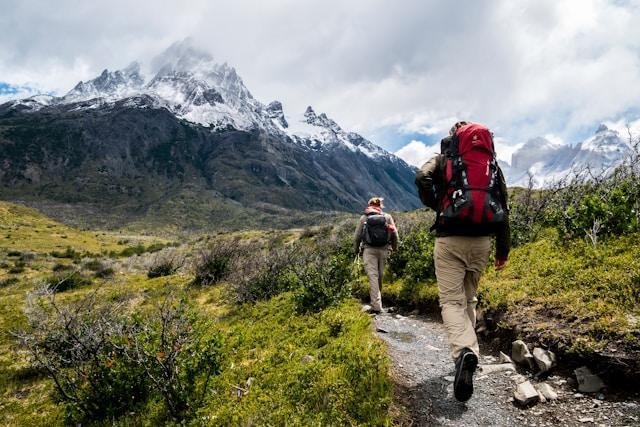
Photo by Toomas Tartes on Unsplash
Introduction
Hiking offers an incredible opportunity to explore nature, challenge yourself, and disconnect from the stresses of everyday life. Whether you’re starting a short-day hike or a multi-day wilderness adventure, proper preparation can make the difference between a memorable experience and a dangerous situation. Weather conditions can change, trails can become difficult to navigate, and unexpected emergencies can occur when you’re far from assistance.
Carrying the right survival gear ensures you are ready for common challenges like getting lost, injuries in harsh weather, or extended delays. While every hiking trip is unique, certain essentials should always have a place in your backpack. The following survival gear items can help improve safety, comfort and confidence on any hiking adventure.
Dependable Navigation Tools
One of the most important pieces of survival equipment is a dependable navigation system. Even well-marked trails can become confusing due to poor weather, fallen trees or unexpected detours.
A physical map and compass remain valuable because they do not rely on batteries or signal coverage. GPS devices and smartphone navigation apps can be helpful additions, but they should never be your sole source of direction.
Learning basic navigation skills before a trip can reduce the risk of getting lost and improve decision-making in unfamiliar terrain.
Adequate Water Supply and Filtration
Dehydration is one of the most common challenges hikers face. Carrying enough water is critical when you travel through warm climates or remote areas.
Along with bringing water bottles or hydration reservoirs, hikers should carry a reliable water filtration system. Portable filters, purification tablets, and UV purification devices can provide access to safe drinking water from streams and lakes.
Having a backup water treatment method can be invaluable if your primary system fails during the journey.
First Aid Kit
Accidents can happen on any trail, no matter how much experience you have. A well-stocked first aid kit allows hikers to handle minor injuries before they turn into serious problems.
Essentials include adhesive bandages, antiseptic wipes, blister treatment supplies, gauze medical tape, pain relievers, and personal medications. Depending on how long and difficult the trip is, you might need extra emergency medical supplies too.
Knowing how to use what’s in your kit matters just as much as having it with you. Basic first aid training can make a big difference when an emergency strikes.
Emergency Shelter
Unexpected weather conditions or injuries can force hikers to spend more time outdoors than they planned. Emergency shelter offers essential protection from wind, rain, cold, and too much sun exposure.
Lightweight options such as emergency bivvy sacks, survival blankets, tarps or compact tents are excellent additions to a hiking pack. Modern emergency shelters are often portable while offering substantial protection.
Having a shelter option available can help prevent hypothermia and other weather-related dangers if circumstances change.
Fire-Starting Equipment
Fire provides warmth, light, the ability to cook food, and a valuable signaling tool in emergencies. Every hiker should carry multiple fire-starting methods rather than rely on a single option.
Waterproof matches, lighters, and ferro rods are popular choices. Storing fire-starting tools in waterproof containers helps ensure they remain functional in wet conditions.
Practicing fire-building techniques before heading into the wilderness can improve your confidence and preparedness when they are needed most.
Dependable Lighting Solutions
Darkness can arrive faster than expected during bad weather or when hikes take longer than planned. Reliable lighting helps maintain visibility and improve safety after sunset.
Headlamps are often preferred because they allow hands-free movement, while compact flashlights serve as excellent backups. Many experienced hikers also carry tactical pen lights because they are lightweight, easy to access, and useful for quick illumination tasks.
Always bring spare batteries or a backup power source to ensure continuous operation when visibility becomes limited.
Weather-Appropriate Clothing
Proper clothing is one of the most effective survival tools available to hikers. Layering systems help regulate body temperatures across changing conditions.
Moisture-wicking base layers keep sweating away from the skin. Insulating mid-layers provide warmth. Waterproof outer layers protect against rain and wind. Hats and gloves play a crucial role in comfort and exposure-related illness prevention. Extra socks are essential.
Quality outdoor clothing helps ensure you remain protected regardless of weather changes throughout the journey.
Multi-Tool or Survival Knife
A versatile cutting tool can assist with countless tasks during a hiking trip. A multi-tool or survival knife is valuable for food preparation and cordage cutting. It also helps with gear repairs and emergency shelter component creation.
Many multi-tools include pliers, screwdrivers, scissors and can openers, making them useful for a wide range of situations. When selecting a tool, give priority to durability, reliability, and ease of use.
Regular maintenance, including cleaning and sharpening, ensures the tool remains effective whenever required.
Emergency Communication Devices
Communication equipment can be a lifesaver when emergencies occur in remote locations. Cell phones are useful but may not function in areas with poor coverage.
For extended or backcountry hikes, consider carrying a satellite communicator or personal locator beacon. These devices allow users to send distress signals and share location information even when traditional networks are unavailable.
Before your trip, inform a trusted person about your planned route and expected return time. This simple precaution can have a significant impact on emergency response efforts if something goes wrong.
Conclusion
Successful hiking adventures depend on preparation as much as enthusiasm. While beautiful landscapes and exciting trails are the primary attractions, the wilderness can present unpredictable challenges that require quick thinking and appropriate equipment.
By carrying essential gear such as navigation tools, water filtration systems, first aid supplies, emergency shelters, fire-starting equipment, lighting solutions, proper clothing, multi-tools, and communication devices, hikers can enhance their safety and self-reliance. Thoughtful preparation not only helps manage emergencies but also allows hikers to enjoy the journey with greater confidence and peace of mind.