
Team culture isn’t something that’s simply written down in a handbook or on a poster. It’s not just words that sound nice. In reality, team culture is what’s reflected in the ways employees work with each other, collaborate, solve problems, and support one another. Because it’s not made up of one interaction but of a million little interactions, there are so many things that can affect it. For instance, when the environment changes, the culture can strengthen or erode. Or it can stay the same. When a team moves to a new region, whether to a different part of the country or a completely new part of the world, leaders are the ones tasked with reinforcing the culture. To help you out, below are practical, grounded strategies for maintaining team culture when your office moves.
Start From the Human Side
People adapt more easily to change when they feel informed and included. A move to a new region can spark both excitement and concern for employees. They might have uncertainties about where they’ll live, how they’ll commute, how much their lives will cost, and how their lives will change.
So, before rolling out brand new procedures or sharing future office layouts, create space for honest conversation with the team. Start by hosting small group sessions where people can give you feedback and talk openly about what the transition means for them. Encourage managers to check in with employees individually to understand what their team members need to feel settled and supported. This early emotional groundwork sets the tone that can settle people’s insecurities. Yes, the company may be moving, but people remain the priority.
Make Moving a Shared Process
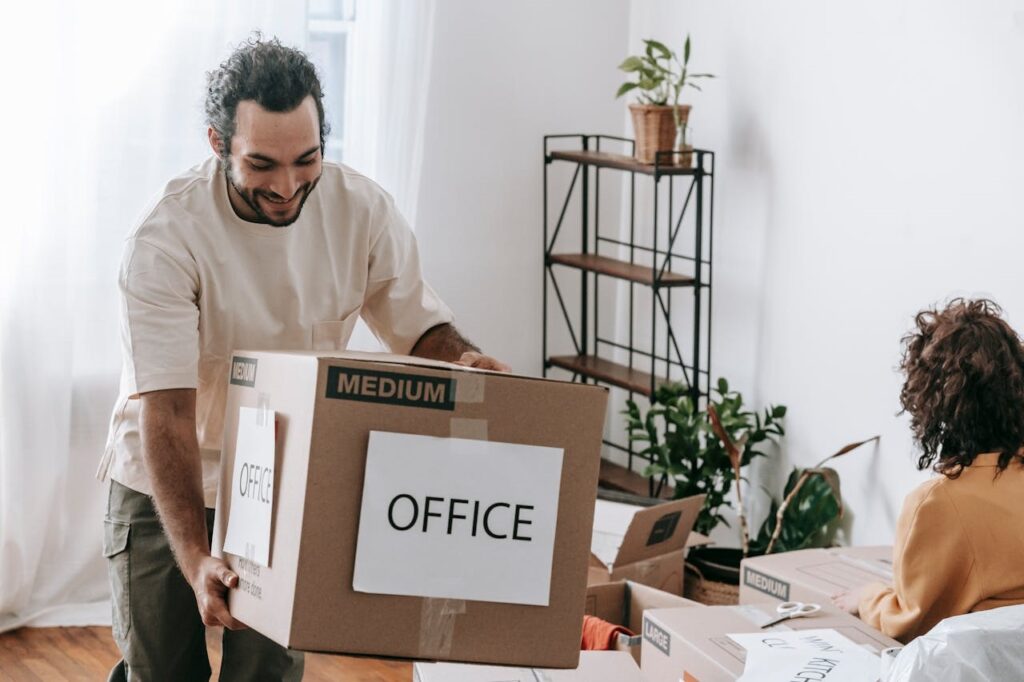
One simple way to keep things running smoothly in your company and to boost morale is to organize packing in small, manageable bursts rather than tackling entire departments at once. For instance, you can create quick packing checklists for each team so everyone knows what needs to be boxed, labelled, donated, or archived. Some companies turn this into short team-building sessions where people work side by side, chat, and reconnect while clearing out old materials. This can remind everyone what team energy and culture are all about.
Of course, not everything from your old office needs to move immediately. Moreover, forcing every item into the new space can overwhelm the office before people even settle in. That’s why experts like OTM Moving and Storage suggest using temporary storage solutions, whether that’s a local storage unit, off-site document archiving, or modular shelving. All of these can help keep the new office uncluttered during the transition. So, during the packing, encourage teams to set aside items they won’t need in the first few weeks and store them separately so the move-in phase feels calmer and more intentional. All of these small actions will help the team go through the transition with a clearer, more relaxed outlook.
Name What’s Worth Protecting in Your Culture
More than looking at your company’s belongings, a relocation is the perfect moment to take inventory of what defines your team culture. Ask yourself what the behaviors, rituals, and shared values are that people genuinely appreciate. What helps them do their best work? What company traditions bring everyone together? These elements are often small and easy to overlook. Sometimes, they are things like a weekly drop-in session with managers, an informal shared lunch, a Christmas office party, or the way teams celebrate milestones, or the habit of quick cross-department brainstorming. The best way to determine what plays the biggest part is to document all of these and see what changes and what stays consistent through all the other changes.
Create Familiar Rhythms as Quickly as Possible
When people walk into a brand-new office, it could take them a while to feel like they’re at home. However, establishing familiar rhythms quickly can reduce that sense of displacement. So, try to recreate the rituals that shaped team culture before the move. That includes those weekly kick-off meetings, morning check-ins, monthly recognition shoutouts, casual coffee breaks, or end-of-week wrap-ups. All these familiar practices can make the new space feel more like an extension of what already existed rather than a break from it. In the end, the quicker the routine stabilizes, the quicker people feel connected again.
Blend the Old With the New
A new region can bring new local norms, new colleagues, and sometimes even a different working pace. The most important thing about maintaining team culture when your office moves is not trying to replicate everything exactly as it was in the previous location. It doesn’t work. Instead, try to look for ways to blend cultural strengths from both the old and new environments.
For example:
- Combine long-held traditions with region-specific ones.
- Encourage the existing team members to help new colleagues onboard in a way that reflects the company’s true values.
- Learn from local communication styles and apply them when they enhance collaboration.
This blending approach keeps the core culture intact while also allowing it to evolve naturally. All of that signals that the team respects the new environment.
Communicate More Frequently Than You Think You Need To
During any major transition, communication gaps can confuse people more quickly than they expect. A move often means people will have to shift roles, use new workflows, or different cross-functional setups. When updates are unclear, it’s easy for people to let their assumptions fill the empty space. However, instead of letting mistakes happen, you can prioritize transparent communication throughout the process by:
- Sharing ongoing updates about the move and what’s changing.
- Explaining the “why” behind decisions, not just the “what.”
- Allowing space for questions in every communication channel.
- Letting teams know when you don’t have an answer yet.
Frequent communication within the team helps people feel anchored. Even if information is still evolving, this openness builds trust and keeps everyone aligned culturally.
Let the Team’s Identity Evolve Instead of Holding It Too Tightly
Relocation naturally changes people’s workflows, relationships, and day-to-day experiences. However, some cultural elements will stay the same no matter what. Others will shift or fade. After some time, new customs, bonds, and habits will emerge. In the end, allowing that natural evolution to occur is just as important as maintaining team culture when your office moves.