
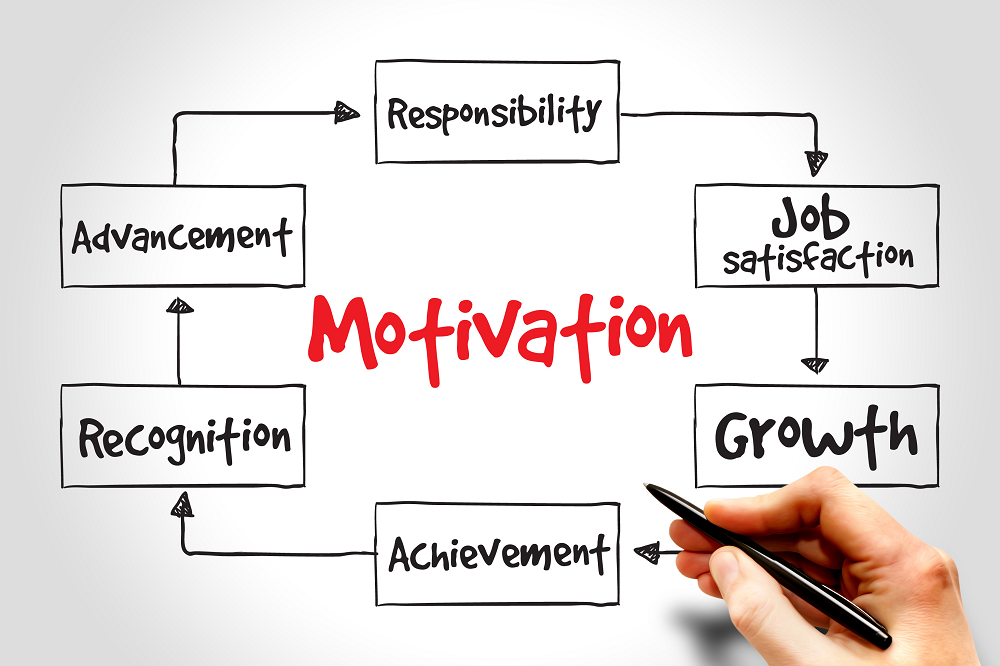
Employee retention ranks among the toughest challenges organizations face today, and there’s a common misconception that throwing more money at the problem is the only answer. Sure, competitive pay matters; nobody’s denying that. But here’s what’s interesting: research consistently reveals that employees weigh a whole range of factors beyond their paycheck when they’re deciding whether to stick around or start browsing job boards. The good news? Organizations can roll out creative, budget-friendly strategies that build genuine loyalty and long-term commitment without necessarily expanding payroll budgets. When companies zero in on workplace culture, professional development, meaningful recognition, and work-life balance, they’re creating an environment where talented people actually want to stay and build their careers.
Creating a Culture of Recognition and Appreciation
Recognition programs pack a serious punch when it comes to retention, yet so many organizations barely scratch the surface of their potential. Think about it, employees who feel genuinely appreciated for what they bring to the table are far more likely to stay engaged and committed. Here’s the thing: implementing a solid recognition program doesn’t require breaking the bank, but it absolutely demands consistency and authenticity. Managers need proper training to deliver specific, timely feedback that acknowledges both wins and effort, weaving recognition into the everyday fabric of workplace culture rather than treating it like some annual formality.
Investing in Professional Development and Career Growth
Today’s employees are increasingly focused on learning opportunities and advancement potential when they’re sizing up their career options. Organizations that map out clear pathways for professional development send a powerful message: we’re investing in your future, not just using you for the present. Mentorship programs create valuable connections between newer team members and seasoned professionals, facilitating knowledge transfer while building relationships that actually mean something. Cross-training initiatives let employees stretch into new skills and explore different corners of the business, keeping things fresh and preparing them for what’s next. Companies can tap into free or affordable online learning platforms, carve out work hours specifically for skill development, and organize internal knowledge-sharing sessions where subject matter experts take the lead. Regular career conversations between managers and team members ensure that personal aspirations line up with what the organization can offer, helping employees picture their long-term future with the company. When professionals need to track employee progress and development goals systematically, a talent management system provides the framework for documenting growth trajectories and identifying advancement opportunities. When employees truly believe their employer is committed to their growth, they’re dramatically more likely to stick around rather than test the waters elsewhere.
Enhancing Work-Life Balance and Flexibility
The modern workforce doesn’t just want flexibility; they’re actively prioritizing it as a non-negotiable element of job satisfaction. Organizations offering flexible working arrangements demonstrate trust while accommodating the reality that people have lives outside of work with diverse needs and circumstances. Remote work options, flexible scheduling, compressed workweeks, and results-focused performance metrics give employees room to manage their professional responsibilities alongside everything else life throws at them. What’s fascinating is that these arrangements often cost absolutely nothing to implement, yet they can dramatically boost both satisfaction and retention rates.
Building Strong Team Connections and Community
Workplace relationships carry enormous weight in how satisfied employees feel and whether they ultimately stay or go. Organizations that foster genuine connections among team members create something deeper than transactional employment; they build belonging. Team-building activities, whether they happen virtually or face-to-face, help colleagues develop trust and rapport that extends beyond formal work interactions. Employee resource groups centred around shared interests, backgrounds, or experiences provide community and support networks within the broader organization.
Empowering Autonomy and Decision-Making Authority
Want to drive talented employees straight out the door? Micromanage them. Conversely, empowering people with autonomy and decision-making authority demonstrates trust while simultaneously boosting engagement and satisfaction. Organizations should push decision-making authority down to the most appropriate level, giving employees room to exercise their judgment and truly own their work. Providing clear expectations and desired outcomes while allowing flexibility in how goals get achieved respects the expertise and professional judgment people bring to their roles.
Conclusion
Retaining top talent doesn’t necessarily mean expanding payroll budgets or getting pulled into salary bidding wars with competitors. By concentrating on recognition, professional development, work-life balance, community building, and genuine employee empowerment, organizations can create environments where people actually want to work and grow their careers. These strategies require thoughtful implementation and sustained commitment from leadership, but they offer exceptional returns through reduced turnover costs and enhanced organizational performance. Companies that take a holistic view of retention, addressing the diverse needs and motivations driving their workforce, build sustainable competitive advantages in the ongoing battle for talent.