
Table of Contents
- Understanding Common Sports Injuries
- Effective Warm-Up and Cool-Down Routines
- Importance of Proper Technique
- Role of Strength and Conditioning
- Significance of Rest and Recovery
- Appropriate Gear and Equipment
- Hydration and Nutrition
- Listening to Your Body
- Final Thoughts
Sports participation offers tremendous benefits to both physical and mental health; however, athletes at every level are prone to injuries if proactive steps aren’t taken. Injury prevention strategies benefit both competitive athletes and those engaging in recreational activities, as integrating best practices into training and competition helps preserve well-being and keep performance on track. For those seeking tailored guidance, working with sports medicine specialists in Jenks for injury prevention and recovery can make a significant difference.
Sports injuries may sideline an athlete for weeks or even months, affecting not just their activity but also their confidence and future participation. By learning the most effective ways to prevent and manage common injuries, athletes can safeguard their health, extend their active engagement years, and continue to enjoy the benefits of their chosen sport.
Understanding Common Sports Injuries
The risk of injury varies based on the sport, intensity, and frequency of play. Among the most frequently encountered injuries are sprains and strains, which involve the overstretching or tearing of ligaments and muscles. Fractures, dislocations, and overuse injuries like tendonitis and stress fractures are also common, especially in athletes who perform repetitive motions. Awareness of these injury types and their causes is the first step to prevention. According to the Centers for Disease Control and Prevention (CDC), millions of sports and recreation-related injuries occur annually in the U.S., many of which are preventable with proper care and awareness.
Effective Warm-Up and Cool-Down Routines
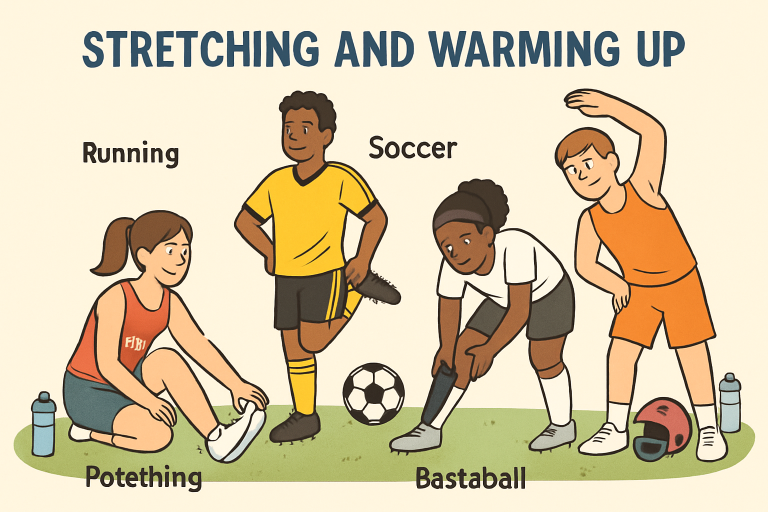
Proper warm-ups are crucial for preparing the body for physical activity. Engaging in dynamic exercises that increase heart rate and circulation helps loosen joints and muscles, reducing the risk of strain or tears. Examples include light jogging, dynamic stretches, and mobility drills. Conversely, cool-down routines such as gentle stretching and low-intensity movement allow the heart rate to return to normal gradually and help in clearing metabolic waste products. This not only reduces muscle soreness but also lowers the likelihood of stiffness and stiffness-related injuries.
Importance of Proper Technique
Mastering the correct technique for any sport or activity substantially reduces the risk of injury. Poor form can put excess stress on muscles, bones, and joints, making them more susceptible to acute and chronic injuries. Athletes should work closely with qualified coaches and trainers to learn, maintain, and update their techniques as they progress. Ongoing instruction and feedback ensure that habits remain safe and effective, especially as the body adapts or if new challenges arise. Regular technique checks are essential, especially for young athletes or those returning after an injury.
Role of Strength and Conditioning
Athletes who incorporate strength and conditioning routines into their schedule improve not just power and endurance, but also joint stability and flexibility. Targeted exercises, including bodyweight movements, resistance training, and mobility work, help address muscular imbalances and weaknesses that often lead to injuries. Cross-training, which involves engaging in a variety of activities beyond the primary sport, further promotes balanced body development and can help prevent overuse injuries that result from repetitive motion.
Significance of Rest and Recovery
Rest isn’t a sign of weakness, but a key element of any sports regimen. Adequate rest and recovery provide the body with the opportunity to heal and adapt, thereby preventing chronic stress, overuse injuries, and burnout. Scheduling regular rest days, rotating activity intensity, and prioritizing sleep are all essential strategies for long-term performance and resilience. Listening to recovery recommendations from certified trainers or medical professionals further ensures athletes return stronger and safer for future training or competition.
Appropriate Gear and Equipment
Wearing sport-specific, well-fitting equipment, including shoes, padding, helmets, and braces, provides vital support and protection. Athletes should regularly assess their gear for wear and tear, replacing items that are damaged or no longer provide adequate support. Sporting organizations frequently update safety recommendations; athletes and coaches should stay informed about best practices regarding gear maintenance and upgrades.
Hydration and Nutrition
Proper hydration and a balanced diet are essential for preventing injuries. Dehydration increases muscle fatigue and slows reaction times, both of which heighten the risk of injury, while inadequate nutrition can compromise bone, muscle, and joint health. Athletes should aim for a varied diet rich in lean proteins, complex carbohydrates, healthy fats, and micronutrients, along with adequate fluid intake before, during, and after activity.
Listening to Your Body
Self-awareness is one of the most effective tools in an athlete’s arsenal. Paying attention to early warning signs—such as pain, swelling, or unusual fatigue—allows for timely intervention and prevents minor issues from escalating into significant injuries. Athletes should be encouraged to communicate openly with coaches, trainers, and medical professionals regarding any discomfort or ongoing issues to ensure prompt and appropriate care.
Implementing these prevention strategies creates a foundation for athletic longevity and optimal performance. With the right preparation, support, and mindful training, athletes can minimize downtime from injuries and thrive in their chosen sports.
Final Thoughts
Injury prevention is an ongoing commitment that blends preparation, awareness, and smart decision-making. By understanding common risks, prioritizing proper technique, allowing time for recovery, and responding early to warning signs, athletes can significantly reduce their chances of injury while maintaining peak performance. Whether competing at a high level or enjoying sports recreationally, a proactive approach—supported by knowledgeable professionals when needed—helps ensure that physical activity remains safe, sustainable, and rewarding for years to come.