
Photo from Unsplash
In today’s work environment, many professionals find themselves balancing between office and home settings. As a hybrid employee, establishing a productive, efficient workspace at home becomes paramount. Creating an environment that fosters focus and creativity can significantly impact your performance and overall well-being.
This article explores five essential strategies to help you design a home workspace that meets your needs and enhances your professional productivity.
1. Choosing the Right Location
A first step in setting up a successful home workspace is selecting the right location. A dedicated spot in your home minimizes distractions and allows for better concentration. The ideal space remains separate from high-traffic areas and common household noise, ensuring uninterrupted work time. A spare bedroom or a quiet corner in a less-frequented room makes an excellent dedicated workspace, offering the privacy and calm atmosphere needed for focused work. Natural lighting significantly improves the quality of your workspace. A location with windows allows sunlight to stream in, naturally enhancing mood and energy levels throughout the day. If your windows are in need of an update, you might explore services for replacement windows. The ergonomics of the location play a crucial role in workspace effectiveness. Ideally, the space needs adequate dimensions to accommodate essential furniture and equipment comfortably.
2. Choosing an Aesthetic or Design Style
Choosing an aesthetic or design style for your home office is a fundamental way to create a productive workspace that enhances your hybrid work experience. The transition between home and traditional office environments becomes smoother when you establish a cohesive visual identity in your personal workspace. This thoughtful design approach nurtures both professional focus and emotional well-being during remote work days. Your chosen aesthetic serves as the foundation for all design elements, whether you connect with minimalist elements or find comfort in the warm, layered approach of modern farmhouse style. This overarching design direction naturally guides the selection of key pieces, from the perfect desk and chair to ambient lighting solutions. The color palette flows from your chosen style, creating a harmonious backdrop that supports concentration and creativity.
3. Having Tools and Equipment
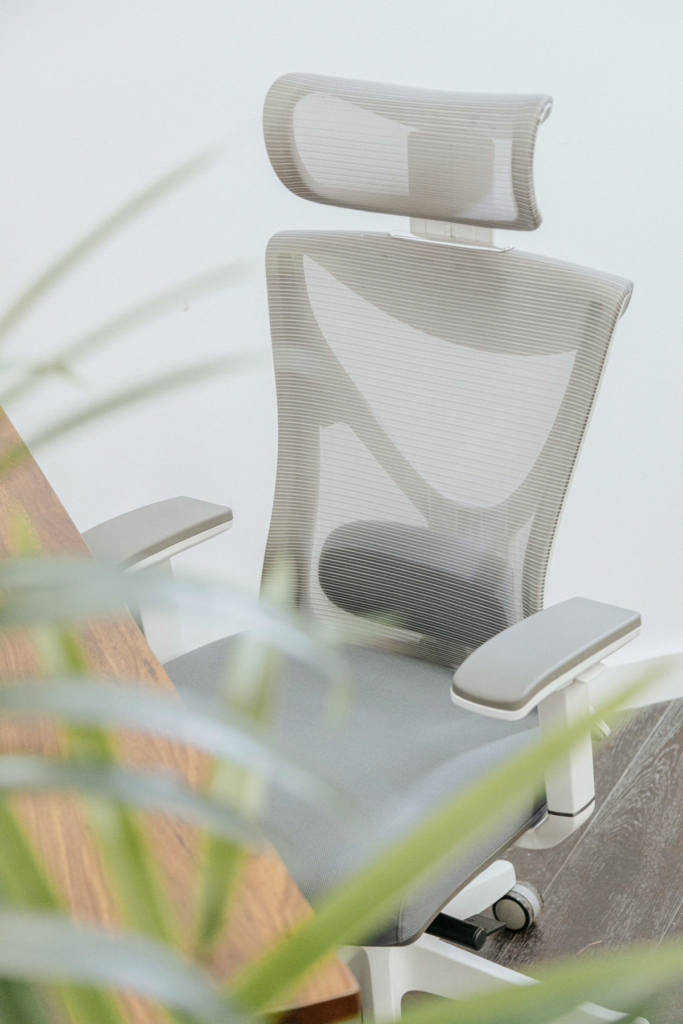
An efficient home workspace relies on the right tools and equipment. A well-built desk paired with an ergonomic chair can serve as the foundation of your work area, influencing your comfort and physical health throughout your workday. The versatility of an adjustable desk lets you switch between sitting and standing, bringing natural movement into your daily routine. Technology plays a vital role in remote work environments. A dependable computer system equipped with essential software enables seamless workflow and team collaboration. The addition of an external monitor transforms your digital workspace, providing more screen real estate for multitasking and detailed work. High-quality headphones create a focused environment by minimizing external distractions and improving audio clarity during calls. A dedicated microphone elevates the quality of your virtual communications, making your voice crisp and clear during online meetings.
4. Decluttering the Workspace
A clutter-free environment directly impacts mental clarity and work performance for hybrid employees. If needed, implementing effective cable management systems eliminates the visual chaos of tangled wires while preventing tripping hazards and equipment damage. Strategic storage solutions such as drawer organizers, wall-mounted shelves, and desktop caddies can ensure every item has a designated place, making it easier to maintain organization long-term. File folders and document trays keep important papers accessible yet neatly contained. Labels and color-coding systems make it simple to maintain order over time. The psychological benefits of an organized workspace extend beyond productivity.
5. Balancing Work and Personal Life in a Hybrid Work Model
The integration of work and personal life requires thoughtful planning and clear boundaries. The separation between professional and personal time becomes essential for long-term well-being in a hybrid work arrangement. Open communication with family members about work schedules creates mutual understanding and respect for work time. Establishing clear expectations helps maintain professional focus during designated work hours. The transition from work to personal time requires intentional actions. The end of the workday marks a clear shift away from professional responsibilities. Turning off work-related notifications enables full engagement in personal activities. Time spent with family, physical exercise, or enjoyment of hobbies provides essential balance to professional demands.
Conclusion
Creating an effective and comfortable home workspace is an essential element for hybrid employees. Your workspace evolution might include updates to your essential equipment, modifications to your space layout, or the implementation of new approaches to enhance your work efficiency.