
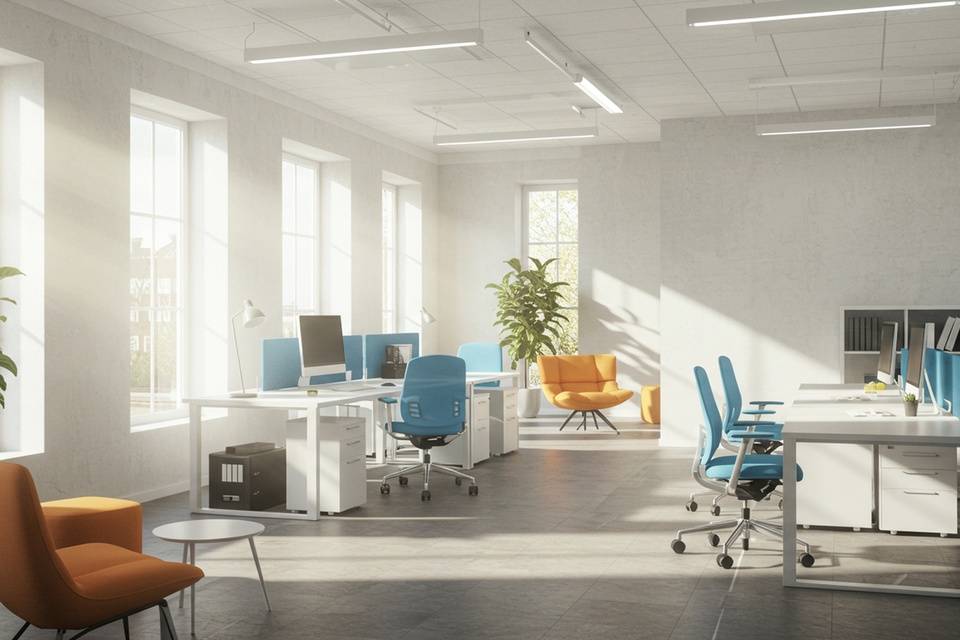
The modern workplace can feel like a constant source of pressure. Between deadlines, meetings, and an endless stream of notifications, finding a sense of peace can seem fleeting. However, the physical space where we work plays a major role in our overall well-being and productivity. Designing stress-work environments has become a priority for many companies striving to transform chaotic offices into havens of focus and calm.
Embrace Natural Elements
Introducing biophilic design, which incorporates natural elements into the office, can dramatically reduce stress. Adding plants not only purifies the air but also provides a visual break from screens and paperwork. Maximizing natural light is another key factor. Sunlight helps regulate our internal clocks to boost mood and energy levels. Consider arranging desks to take advantage of windows and using light, airy color palettes to make the space feel more open.
Prioritize Ergonomic Comfort
Physical discomfort is a major contributor to workplace stress. Poor posture from inadequate seating can lead to back pain and fatigue. Investing in ergonomic furniture, such as adjustable chairs and desks, allows employees to customize their workstations for optimal comfort. Providing accessories like monitor stands and keyboard trays further supports a healthy posture, reducing physical strain throughout the day.
Minimize Clutter and Noise
A cluttered desk can lead to a cluttered mind. Visual mess competes for our attention and makes it harder to focus on the task at hand. Effective storage solutions are crucial for maintaining an orderly space. You can find great design tips for organizing office storage that keep supplies tidy and out of sight. Similarly, excessive noise can be highly distracting. Creating designated quiet zones or installing sound-absorbing panels can give employees the peace they need for deep work.
Create Zones for Different Activities
A one-size-fits-all office layout rarely works for everyone. People need different environments for different tasks. An effective office design includes a variety of spaces. This might look like collaborative areas with whiteboards for brainstorming, quiet nooks for focused work, and comfortable lounges for breaks and informal chats. Offering this flexibility allows employees to choose the environment that best suits their needs at any given moment.
Intentional spaces reflect the values of the teams who fill them, where calm inspires creativity and order supports focus. At the heart of every productive company lies an approach grounded in the design of stress-free work environments. When environments nurture rather than drain, the difference is unmistakable. Sometimes, calm is the most powerful asset a workspace can offer.