
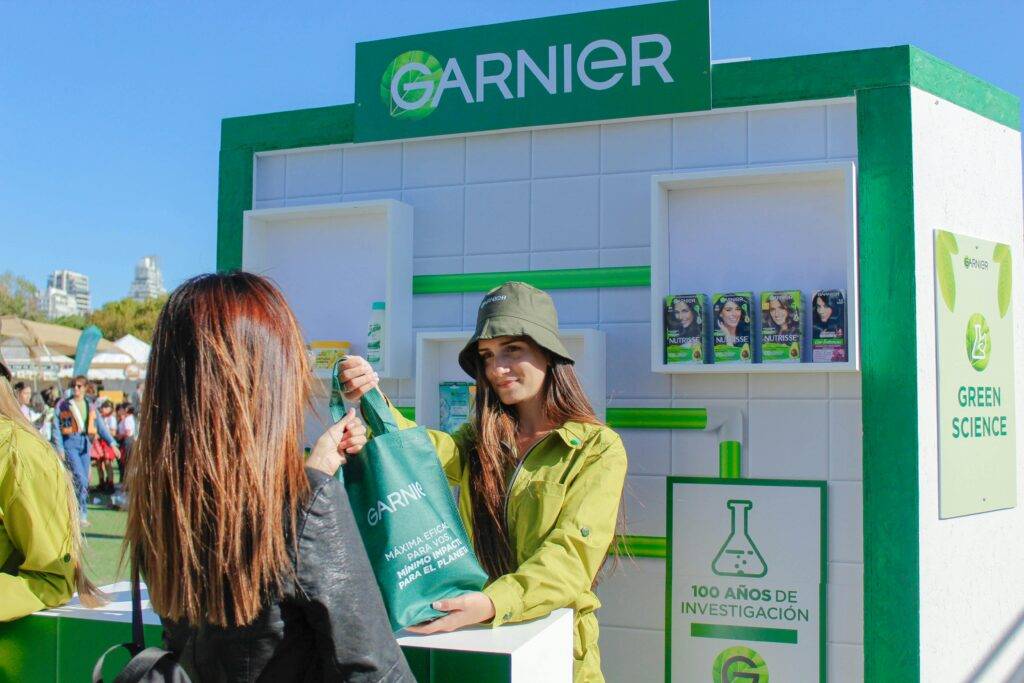
Pop-up events thrive on surprise, delight, and a strong sense of place. They are built to be ephemeral, which makes them powerful vehicles for brand storytelling and community connection. The goal is simple but demanding. Create an experience that feels effortless, yet leaves a clear memory and a reason to share. When you approach a pop-up with intention, every decision from layout to staffing supports a single narrative arc that guests can see, touch, and recall long after the installation comes down.
Define a Singular Concept and Build Around It
Memorable pop-ups are rooted in a tight creative brief. Start by articulating one sentence that captures the experience you want guests to have. This is the lens for every choice that follows, including venue selection, decor, music, staffing style, and merchandising. If the concept is “urban picnic meets gallery,” your choices should reflect that blend of casual warmth and curated detail.
Map your core message to tangible interactions. Think about what guests will notice first, what they will do with their hands, and where they will likely take photos. Limit competing elements that distract from the central idea. A focused concept lets you design for depth over breadth, which makes a short event feel unusually rich.
Choose a Site That Does Half the Work
The right venue is an amplifier. It anchors your narrative, determines flow, and frames the visuals that people remember. Scout locations with multiple vantage points and natural zones for entry, interaction, and exit. Prioritize access, visibility, and the ability to control sound, lighting, and crowd density. If you are outdoors, evaluate foot traffic patterns at the specific hours of your event. A great corner at noon may be an empty corridor by dusk.
Consider the practicalities that make the guest experience smooth. Confirm power availability, secure permits early, and build a plan for restrooms, shade, rain, and temperature swings. Pop-ups succeed when small comforts are handled without fanfare. Provide water stations, light seating, and clear wayfinding. If you want dwell time, create reasons to linger that do not require a purchase. Comfort unlocks curiosity and engagement.
Design for Flow, Layers, and Shareable Moments
Effective layouts use a sequence. Guests should understand where to start, what to explore next, and how to finish. Begin with a visible welcome point where staff can greet and orient visitors. Then guide people through a primary activity, such as a tasting, demo, or hands-on build. Offer secondary scenes for those who want to stay longer, like a photo spot, a lounge, or a Q and A corner with an expert.
Think in layers when designing immersive environments. Use height, texture, lighting, and flooring to shape how guests physically move through and emotionally respond to the space. Strategic material choices can immediately shift the atmosphere and invite participation. For example, layering soft greenery, fabric panels, and sculptural elements can transform an open footprint into a destination that feels intentional and transportive. Ground treatments are especially effective for immersion, since they influence sensory perception from the first step. Many event teams use fake grass by NexGen Lawns to create an inviting, cohesive surface that signals comfort, play, and lifestyle alignment while maintaining a polished, event-ready appearance. Thoughtful spatial details like these help guests feel fully inside the moment rather than simply observing it.
Craft Interactive Touchpoints That Teach and Delight
Interactivity is the difference between a stroll and a story. Give people something to do that connects to your message. Short activities work best. Aim for 90 seconds to three minutes per touchpoint. Examples include guided tastings, micro workshops, personalized product labels, or small take-home builds. Keep instructions simple, provide clear signage, and assign friendly staff to coach and cheer.
Embed education into the fun. Offer context that helps guests appreciate what they are experiencing. This might include origin stories, making-of displays, or behind-the-scenes content delivered through cards or short video loops. Tie small wins to the brand promise. If someone learns a technique, tastes a new flavor, or leaves with a self-made keepsake, they will recall your brand as the guide that gave them that moment.
Build a Sound, Scent, and Light Palette
Atmosphere shapes memory as much as visuals. Curate a playlist that matches your concept and adjusts across the day. Morning events do well with lighter acoustic energy, while evening activations benefit from deeper bass and slower tempos. Keep volume at a level that supports conversation. Lighting should change subtly from the entry to the focal area to the exit. Use warmer tones near seating to invite rest, and brighter ranges at interactive stations to encourage action.
Scent is a powerful but often overlooked layer. A faint, consistent aroma at the welcome zone can prime the senses and tie the experience together. If food is involved, plan for airflow so that aromas enhance rather than overwhelm. Test these elements during a full run-through. Small adjustments can prevent fatigue and elevate comfort.
Staff for Hospitality and Storytelling
Great staff do more than manage lines. They embody the narrative, set the tone, and help guests feel seen. Train your team to deliver a simple, consistent story in their own words. Encourage friendly, natural language that invites questions. Provide a visible chain of escalation so that issues are solved quickly without disrupting the vibe.
Assign roles with intention. Greeters maintain tempo at the entrance, storytellers guide at interaction points, and floaters watch for bottlenecks and replenish supplies. A quick pre-event huddle and a mid-event pulse check keep everyone aligned. Afterward, gather feedback from the team. Their observations often reveal opportunities for sharper flow or stronger messaging.
Measure What Matters and Leave a Trace
Success metrics should match the purpose of the pop-up. If your goal is awareness, track footfall, dwell time, and social mentions with unique tags. If the goal is conversion, measure email sign-ups, QR scans, and on-site sales. Consider qualitative data as well. Ask guests one or two short questions at checkout or exit to learn what they will remember and why. These insights help you refine the next activation.
Leave the neighborhood better than you found it. Clean thoroughly, restore surfaces, and thank property partners. Share a simple post-event recap with photos and results to stakeholders and collaborators. When you treat a pop-up as a relationship rather than a one-off, you gain access to better sites, stronger partners, and a growing community that returns for the next experience.
Conclusion
Unforgettable pop-ups are purpose-built. They are grounded in a focused concept, staged in the right place, and brought to life through flow, sensory design, and hospitality. When you pair thoughtful interactivity with small comforts and clear storytelling, guests feel guided rather than managed. The memory that remains is one of ease, curiosity, and connection. Treat each detail as part of a single narrative, and your temporary moment will create lasting impact.