
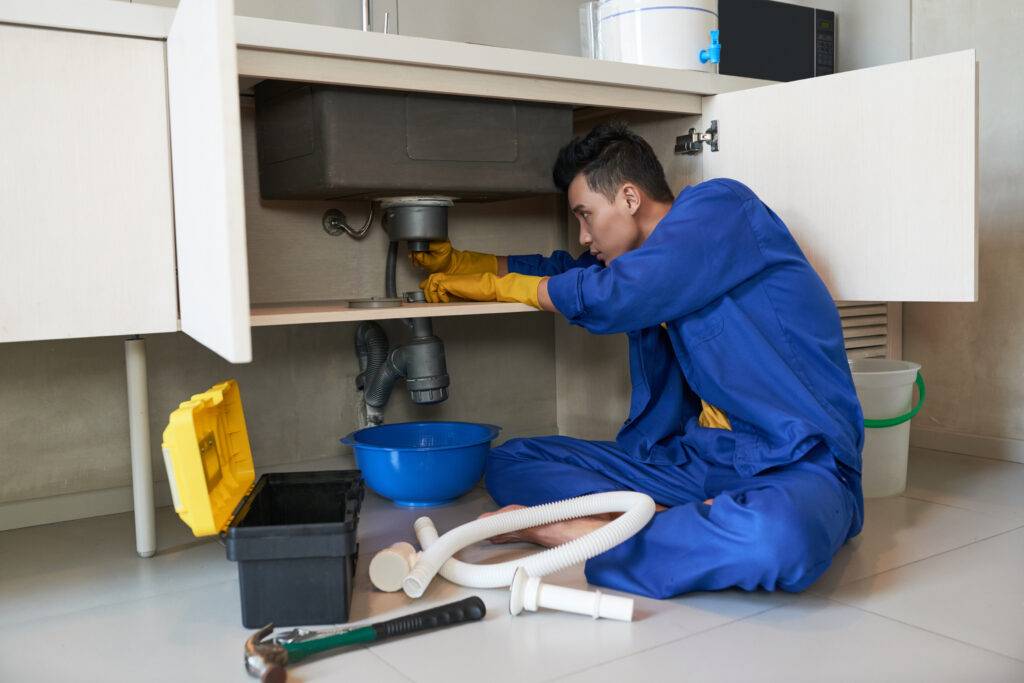
Ever woken up to find your shower filling with murky water that just won’t drain away? Or perhaps you’ve noticed an unpleasant whiff coming from your kitchen sink that no amount of air freshener seems to fix? If you’re living in Melbourne’s eastern suburbs, you’re definitely not alone in dealing with these frustrating plumbing issues.
Blocked drains are one of the most common household headaches across Doncaster, Templestowe, Eltham, and surrounding areas. The combination of established trees, ageing infrastructure, and everyday household habits creates the perfect storm for drainage problems. Whether it’s a minor slow-draining sink or a full-blown sewer blockage in Melbourne, these issues can quickly escalate from annoying to downright disruptive.
In this guide, we’ll walk you through everything you need to know about tackling blocked drains in the eastern suburbs. You’ll learn how to spot the warning signs early, understand what’s causing the problem, and discover when it’s time to call in the professionals for drain cleaning in Melbourne. Plus, we’ll cover some handy DIY tips and prevention strategies to keep your pipes flowing freely for years to come.
Understanding the Causes of Blocked Drains
Tree Root Intrusion in Older Suburbs
Melbourne’s leafy eastern suburbs are beautiful, but those gorgeous established trees come with a hidden cost. Tree roots are naturally drawn to the moisture in your pipes, and they can travel surprisingly long distances to find it. Once they locate a tiny crack or joint in your drainage system, they’ll work their way inside and create a tangled mess that catches everything flowing through.
Older suburbs like Doncaster and Templestowe are particularly vulnerable because many homes still have clay or terracotta pipes installed decades ago. These materials are more prone to cracking and root penetration than modern PVC alternatives.
Grease and Fat Build-Up in Kitchen Drains
Here’s something many homeowners don’t realise: that cooking oil you pour down the sink doesn’t just wash away. It cools, solidifies, and sticks to the inside of your pipes like glue. Over time, this build-up narrows the pipe diameter and catches food particles, creating stubborn blockages that are tough to shift.
Foreign Objects and Debris
From children’s toys to cotton buds and wet wipes (yes, even the “flushable” ones), foreign objects are a major cause of blocked drains throughout Melbourne. Hair is another common culprit, particularly in bathroom drains where it combines with soap scum to form thick, gooey clogs.
Ageing Pipes and Infrastructure Issues
Many homes in Melbourne’s east were built in the 1960s and 70s, which means their plumbing systems are now 50-60 years old. Pipes corrode, joints fail, and sections can even collapse entirely. This ageing infrastructure is a significant contributor to ongoing plumbing issues across the region.
Warning Signs You Have a Drain Blockage
Slow Draining Water
The earliest and most obvious sign of a developing blockage is water that takes longer than usual to drain. If your sink is still holding water several minutes after you’ve pulled the plug, or your shower starts pooling around your ankles, it’s time to investigate further.
Gurgling Sounds and Unpleasant Odours
Strange gurgling noises coming from your drains indicate trapped air in the system, often caused by a partial blockage. Similarly, foul smells suggest organic matter is decomposing somewhere in your pipes. Don’t ignore these warning signs—they rarely improve on their own.
Water Backing Up in Sinks or Toilets
This is the serious end of the spectrum. When water starts coming back up through your drains, or worse, appearing in fixtures when you haven’t used them, you’re likely dealing with a significant blockage that needs immediate attention. A sewer blockage in Melbourne can affect multiple fixtures simultaneously, so act quickly.
How to Fix a Leaking Water Line
Identifying the Source of the Leak
Understanding how to fix a leaking water line starts with finding exactly where the problem is. Look for water stains on walls or ceilings, unusually green patches in your garden, or unexplained increases in your water bill. Sometimes you’ll hear running water when all taps are closed—that’s a clear indicator of a hidden leak.
Temporary Fixes vs Professional Repairs
For minor leaks, pipe repair tape or epoxy putty can provide a temporary fix while you arrange professional repairs. However, these are strictly short-term measures. Proper repair requires either replacing the damaged section of pipe or, in some cases, relining the entire system. Given the complexity involved, most leaking water line issues are best left to licensed plumbers.
Professional Drain Cleaning in Melbourne: What to Expect
CCTV Drain Inspections
Modern drain cleaning in Melbourne typically begins with a camera inspection. A small waterproof camera is fed through your pipes, giving the plumber a real-time view of exactly what’s happening inside. This technology removes the guesswork and helps identify the precise location and nature of any blockages.
High-Pressure Water Jetting
Once the problem is located, high-pressure water jetting is often the most effective clearing method. This involves blasting water at extremely high pressure through the pipes, cutting through roots, grease, and debris. It’s incredibly effective and doesn’t involve harsh chemicals.
Pipe Relining Solutions
For damaged pipes, relining offers a trenchless repair option. A resin-coated liner is inserted into the existing pipe and cured in place, creating essentially a new pipe within the old one. This avoids the need for extensive excavation and can extend your drainage system’s life by decades.
Keeping Your Drains Flowing Freely
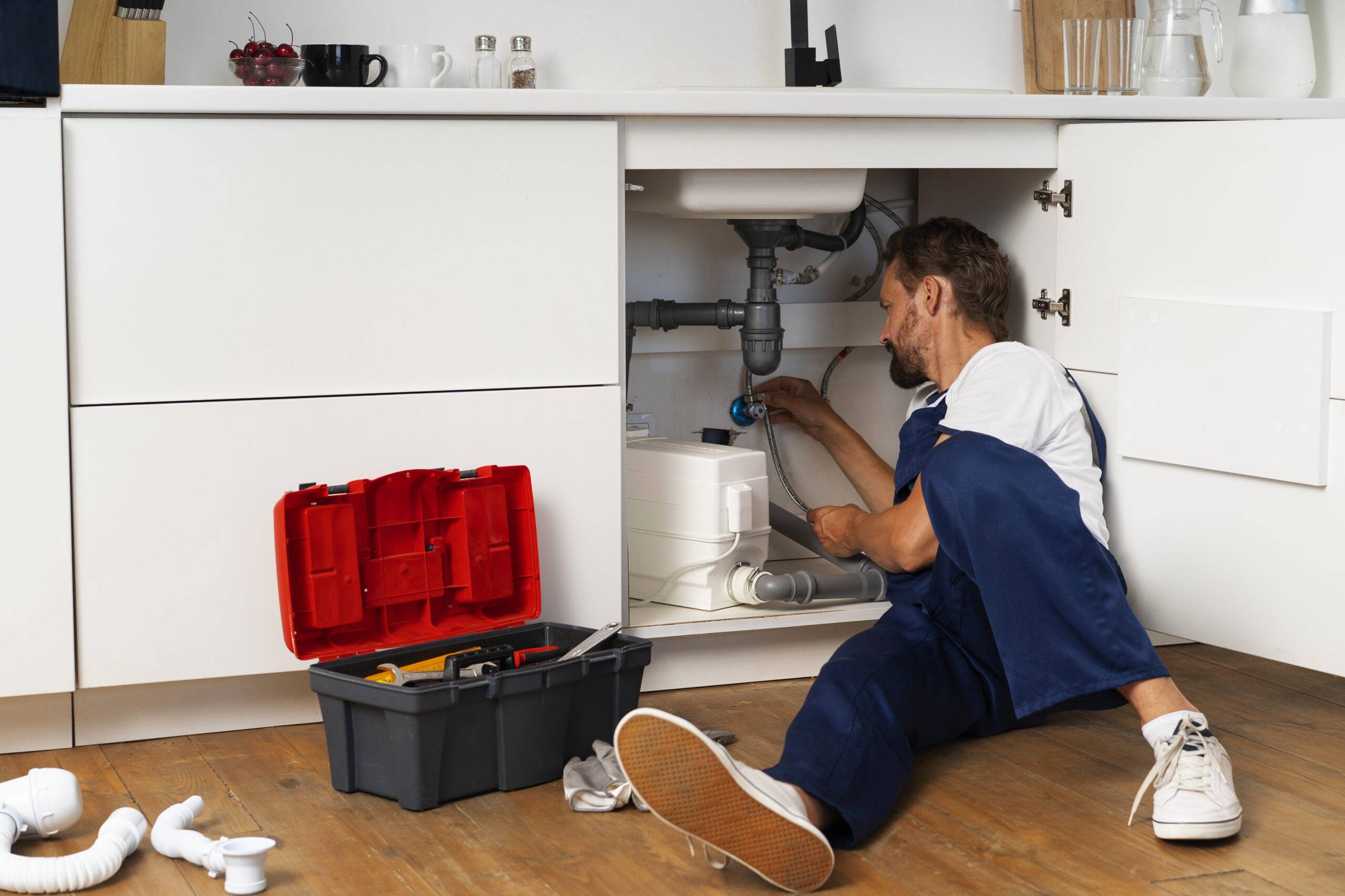
Dealing with blocked drains in Melbourne’s eastern suburbs doesn’t have to be overwhelming. By understanding the common causes—from tree roots in established areas like Doncaster, Templestowe, and Eltham to everyday build-up of grease and debris—you can take proactive steps to protect your plumbing system.
Remember, early intervention is key. Those slow-draining sinks and gurgling sounds are your drainage system asking for help. Address minor issues promptly, and you’ll avoid the stress and expense of major blockages down the track. Regular maintenance, sensible habits, and knowing when to call in professional help will keep your drains working smoothly for years to come.