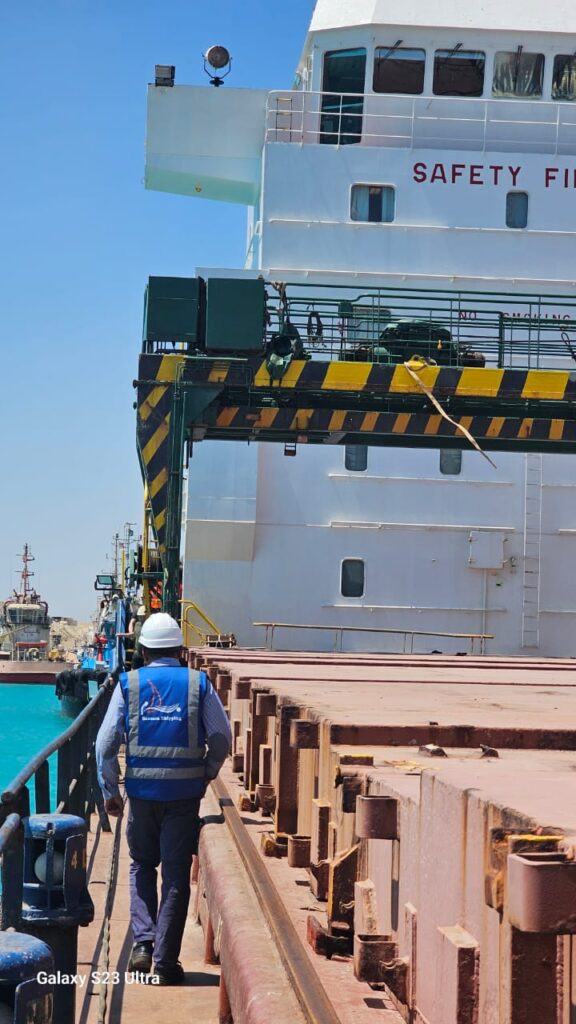
Global trade depends heavily on maritime transport, with over 90% of international goods moving by sea, making marine logistics a critical backbone of the global economy.
However, modern shipping companies operate in a complex and constantly evolving environment. Economic instability, regulatory pressures, and rapid technological change require continuous adaptation. For businesses managing supply chains, especially in regions like Saudi Arabia, understanding these challenges is the first step toward building resilient and efficient logistics systems.
In simple terms:
• Marine logistics = movement of goods via sea routes
• Core challenge = balancing cost, compliance, and efficiency
• Solution trend = digital transformation + smarter operations
Maritime Operational Landscape
Shipping operations rely on managing two interconnected areas:
1. Regulatory Compliance and Safety
The maritime industry operates under strict international regulations covering vessel safety, emissions, and operational standards. These frameworks are designed to ensure safe shipping practices and environmental protection.
In practice, this means companies must continuously monitor and update their operations to meet global standards. Non-compliance can result in heavy penalties, shipment delays, or even restrictions on entering certain ports.
Forward-thinking companies treat compliance as a strategic advantage. By exceeding minimum standards, they build trust with partners, reduce operational risks, and strengthen their long-term market position.
2. Economic Volatility and Trade Fluctuations
Global trade patterns are highly dynamic. Demand shifts due to economic cycles, geopolitical developments, and unexpected disruptions such as pandemics.
These fluctuations directly impact shipping volumes, freight rates, and route planning. Companies must frequently adjust their operations to remain efficient and competitive.
Modern shipping firms rely on real-time data, advanced tracking systems, and predictive analytics to respond quickly. This allows them to optimize routes, manage capacity effectively, and maintain service reliability even in uncertain conditions.
Key Challenges in Marine Logistics
Supply Chain Disruptions and Port Congestion
Port congestion remains one of the most persistent challenges in marine logistics. It occurs when ports are unable to handle incoming cargo volumes efficiently, leading to vessel queues and operational delays.
The impact extends far beyond the port itself. Delays disrupt entire supply chains, increase operational costs, and affect delivery timelines across multiple industries.
To address this, companies are adopting proactive strategies such as diversifying port options, using predictive scheduling tools, and improving coordination with terminal operators. These measures help reduce dependency on single points of failure.
Skilled Labor Shortages
The maritime industry faces an ongoing shortage of skilled professionals, including dockworkers, engineers, and vessel crew members.
This shortage affects operational efficiency, as fewer skilled workers lead to delays in cargo handling, maintenance, and overall vessel operations. Over time, this can reduce reliability and increase costs.
Shipping companies are addressing this issue by investing in workforce training programs, improving working conditions, and introducing automation to support human labor. This combination helps maintain productivity while preparing the next generation of maritime professionals.
Innovative Shipping Solutions
Technology plays a central role in reshaping marine logistics.
IoT and Smart Containers
Smart containers equipped with IoT sensors provide real-time data on cargo conditions such as temperature, humidity, and location.
This level of visibility reduces the risk of cargo damage, improves transparency across the supply chain, and minimizes the need for manual inspections. It is especially valuable for sensitive goods like food and pharmaceuticals.
Automation and Autonomous Systems
Automation is gradually being introduced in vessel navigation, cargo handling, and port operations.
These systems help optimize routes, reduce fuel consumption, and minimize human error. While fully autonomous shipping is still developing, partial automation is already delivering measurable efficiency gains.
Predictive Analytics
Predictive analytics uses historical and real-time data to forecast potential disruptions, maintenance needs, and demand patterns. This enables companies to make informed decisions, reduce downtime, and improve overall operational planning. It transforms shipping from a reactive process into a proactive one.
Environmental and Regulatory Compliance
Sustainability has become a core priority in the maritime industry. Global regulations such as IMO 2020 and IMO 2050 require shipping companies to significantly reduce emissions. This includes limiting sulphur content in fuel and cutting greenhouse gas emissions over time.
To meet these requirements, companies are investing in cleaner fuels, energy-efficient vessels, and advanced emission control technologies. Compliance not only avoids penalties but also enhances brand reputation and aligns with global sustainability goals.
Technology Integration and Cybersecurity
As shipping becomes more digital, managing technology and data security is increasingly important.
Integration Challenges
Many companies still rely on legacy systems, which can be difficult to integrate with modern technologies like AI and IoT.
A phased implementation approach helps minimize disruption. Gradually upgrading systems allows companies to maintain operations while improving efficiency over time.
Cybersecurity Risks
Digital shipping networks are vulnerable to cyberattacks, which can disrupt operations and compromise sensitive data.
To mitigate these risks, companies implement strong cybersecurity measures such as firewalls, encryption, and multi-factor authentication. Regular audits and employee training further strengthen defences by reducing human error.
Supply Chain & Port Optimization
Efficiency in marine logistics depends on seamless coordination between sea and land transport systems.
Multimodal Transport
Integrating sea transport with rail and inland waterways creates a more flexible and efficient supply chain.
This approach reduces pressure on congested ports, improves delivery timelines, and lowers transportation costs by optimizing route selection.
Infrastructure Development
Modern ports must continuously evolve to handle increasing cargo volumes. This includes expanding terminal capacity, upgrading equipment, and investing in skilled labor.
Strategic actions such as using secondary ports, implementing real-time tracking systems, and building partnerships with logistics providers help improve overall efficiency and reliability.
Marine logistics is rapidly evolving, and companies that embrace technology, ensure compliance, invest in skilled workforce development, and stay operationally flexible are best positioned to succeed. These approaches not only improve efficiency but also strengthen resilience against disruptions, making adaptability, innovation, and sustainability essential for long-term success in a changing global landscape.
Author: Basil Bassam Afasha