
Why Metal Recycling Matters for Australian Businesses
Environmental Impact
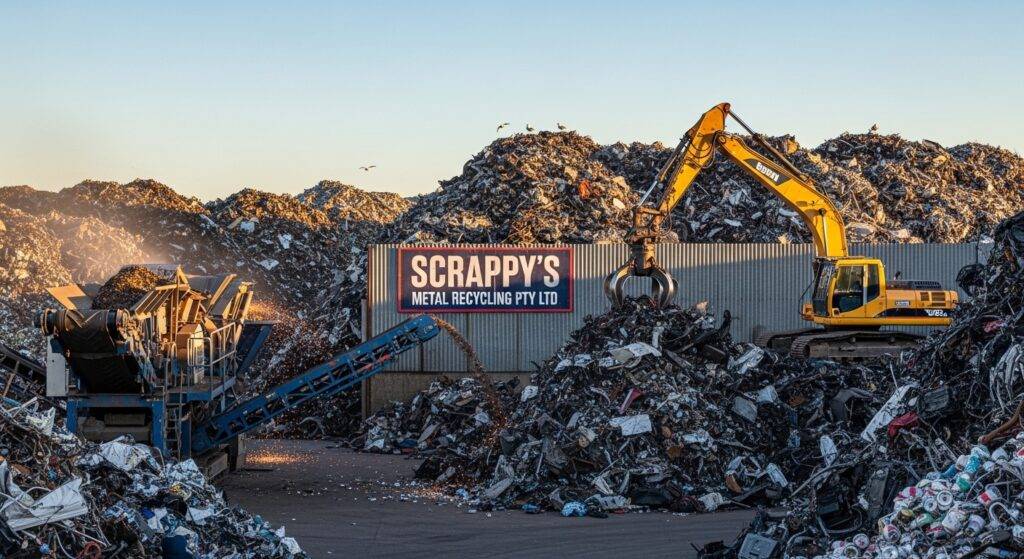
Metal Recycling helps protect Australia’s unique environment. By turning scrap metal into new products, businesses cut the need for raw-material mining, which often damages land and water. Less mining means fewer greenhouse gas emissions and a smaller carbon footprint. In a country where the Great Barrier Reef and vast outback are national treasures, any step that reduces pollution is welcomed by the community and regulators alike.
Economic Benefits
When a company recycles metal, it can turn waste into revenue. Scrap metal has a clear market price, and many Australian scrap yards pay per kilogram. In addition, using recycled metal in production often costs less than buying new ore, especially when global commodity prices rise. The savings can be reinvested in staff training, equipment upgrades, or marketing, giving the business a competitive edge.
Understanding the Metal Recycling Process
Collection and Sorting
Understanding the advantages of metal recycling for business operations starts with implementing effective collection and sorting processes. The first step is gathering metal waste from the workplace. This can include steel beams from construction sites, copper wiring from electrical work, or aluminum cans from a cafeteria. Sorting is important because different metals have different values and processing requirements. Simple bins labelled “Steel,” “Aluminum,” and “Copper” make it easy for staff to separate items at the source.
Processing and Smelting
After collection, the metal is taken to a recycling facility. Here, it is cleaned, shredded, and melted in a furnace. The molten metal is poured into moulds to create ingots or new products. Modern Australian facilities use energy-efficient furnaces and capture waste heat, which reduces overall energy use. The final product meets the same quality standards as virgin metal, so manufacturers can rely on it without compromising performance.
Key Regulations and Standards in Australia
National Waste Policy
The Australian Government’s National Waste Policy encourages businesses to adopt a “circular economy” approach. Metal Recycling is a core component of this strategy. Companies are expected to report on waste reduction and recycling rates, and they may receive incentives for meeting targets. The policy also sets out guidelines for the safe handling and storage of scrap metal to protect workers.
State Regulations
- New South Wales (NSW) – The NSW Environment Protection Authority requires licences for large-scale metal processing and mandates regular waste audits.
- Victoria – Under the Environment Protection Act, businesses must keep records of metal waste and ensure it is sent to an authorized recycler.
- Queensland – The Queensland Government offers rebates for companies that achieve high recycling rates for aluminum and steel.
- Western Australia – The Department of Water and Environmental Regulation monitors the export of scrap metal to ensure it meets international standards.
Finding the Right Metal Recycling Provider
What to Look For
- Licensed and accredited by the relevant state authority.
- Transparent pricing per kilogram for different metal types.
- Ability to handle the volume your business generates.
- Convenient collection service or easy drop-off locations.
- Commitment to environmental standards and reporting.
Local Providers and Competitors
In Australia, many towns have a community scrap yard that accepts a range of metals. Some larger operators run multiple sites across states, offering competitive rates and fast payment. While big national chains exist, smaller regional providers often provide more personalized service and quicker turnaround times. When choosing a partner, compare fees, service coverage, and customer reviews to find the best fit for your business.
Practical Steps to Start Metal Recycling in Your Business
Assess Your Metal Waste
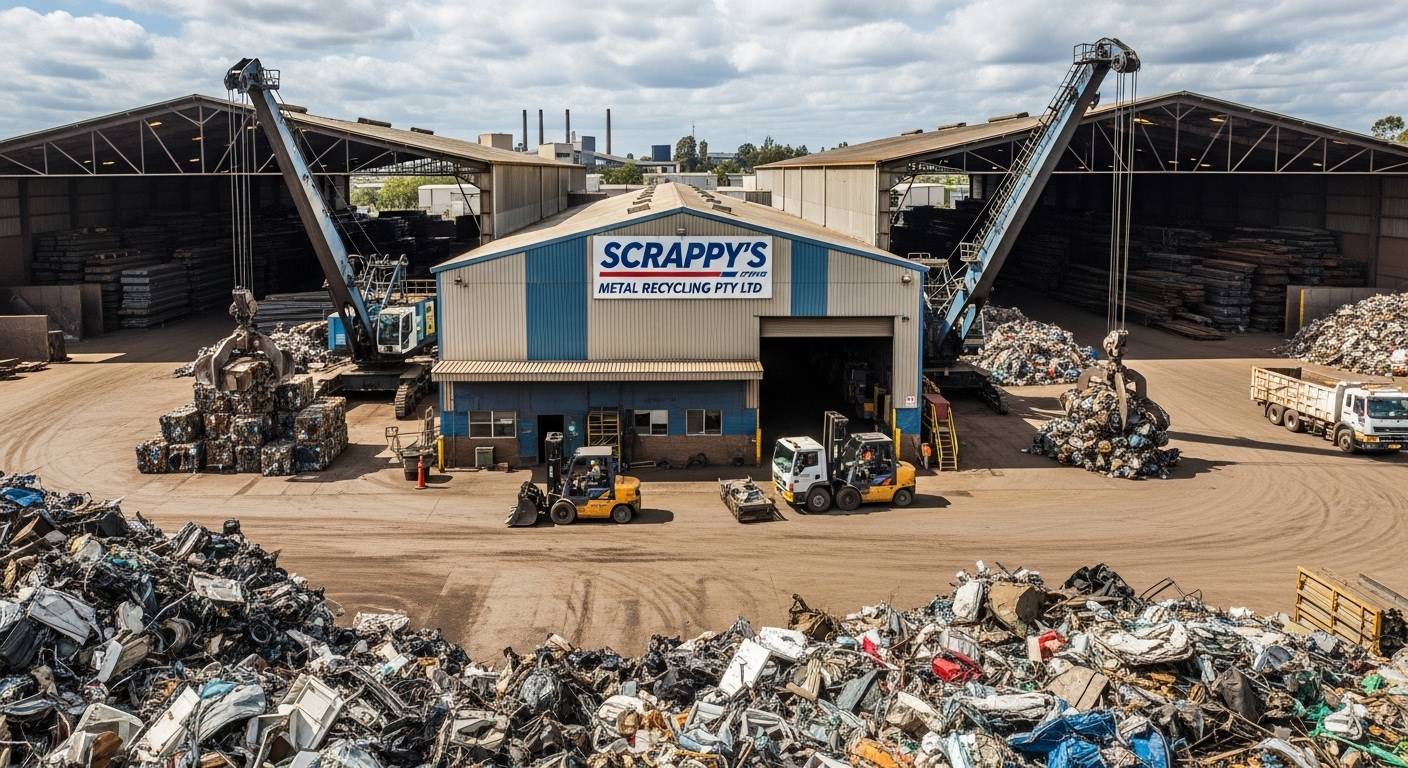
Begin by conducting a waste audit. Identify which metals are produced, how much, and where they accumulate. A simple spreadsheet can track weekly volumes of steel, aluminum, copper, and other metals. This data helps you set realistic recycling targets and choose the right collection method.
Create a Recycling Plan
Develop a written plan that outlines responsibilities, collection schedules, and storage safety. Assign a staff member to oversee the program and liaise with the recycling provider. Include clear signage for bins and a schedule for regular pick-ups to avoid overflow.
Engage Employees
Educate your team about the benefits of Metal Recycling. Simple training sessions can explain how to separate metals, why contamination matters, and how the program saves money. Incentives such as “recycling champion” awards can motivate staff to participate actively.
Questions and Answers: Common Questions About Metal Recycling in Australia
Q: What types of metal can I recycle at a local scrap yard?
A: Most scrap yards accept steel, iron, aluminum, copper, brass, and stainless steel. Some also take smaller items like nails, bolts, and metal furniture. It’s best to call ahead and confirm any restrictions, especially for hazardous metals such as lead or cadmium.
Q: Do I need a licence to recycle metal in my business?
A: If you are only collecting and sending metal to a licensed recycler, a licence is usually not required. However, if you process metal on-site, such as shredding or melting, you will need a licence from the state environment authority. Check your local regulations to stay compliant.
Q: Are there government incentives for businesses that recycle metal?
A: Yes. Several states offer rebates or tax credits for achieving high recycling rates, especially for aluminum and steel. The National Waste Policy also encourages businesses to set recycling targets, which can improve eligibility for sustainability grants.
Q: What should I do with contaminated metal waste?
A: Contamination, such as oil, paint, or chemicals, can lower the value of scrap and may be illegal to send to certain facilities. Separate contaminated pieces and store them in a sealed container. Contact your recycler for guidance; many will arrange a safe disposal service for hazardous material.
Conclusion: Your Path to a Successful Metal Recycling in Australia
Metal Recycling offers clear environmental and financial advantages for Australian businesses. By understanding the process, complying with national and state regulations, and partnering with a reliable local recycler, companies can turn waste into profit while supporting a greener future. Start with a simple waste audit, create a clear recycling plan, and involve your staff. With these steps, your business will be on the road to a successful Metal Recycling program that meets both community expectations and regulatory requirements.