
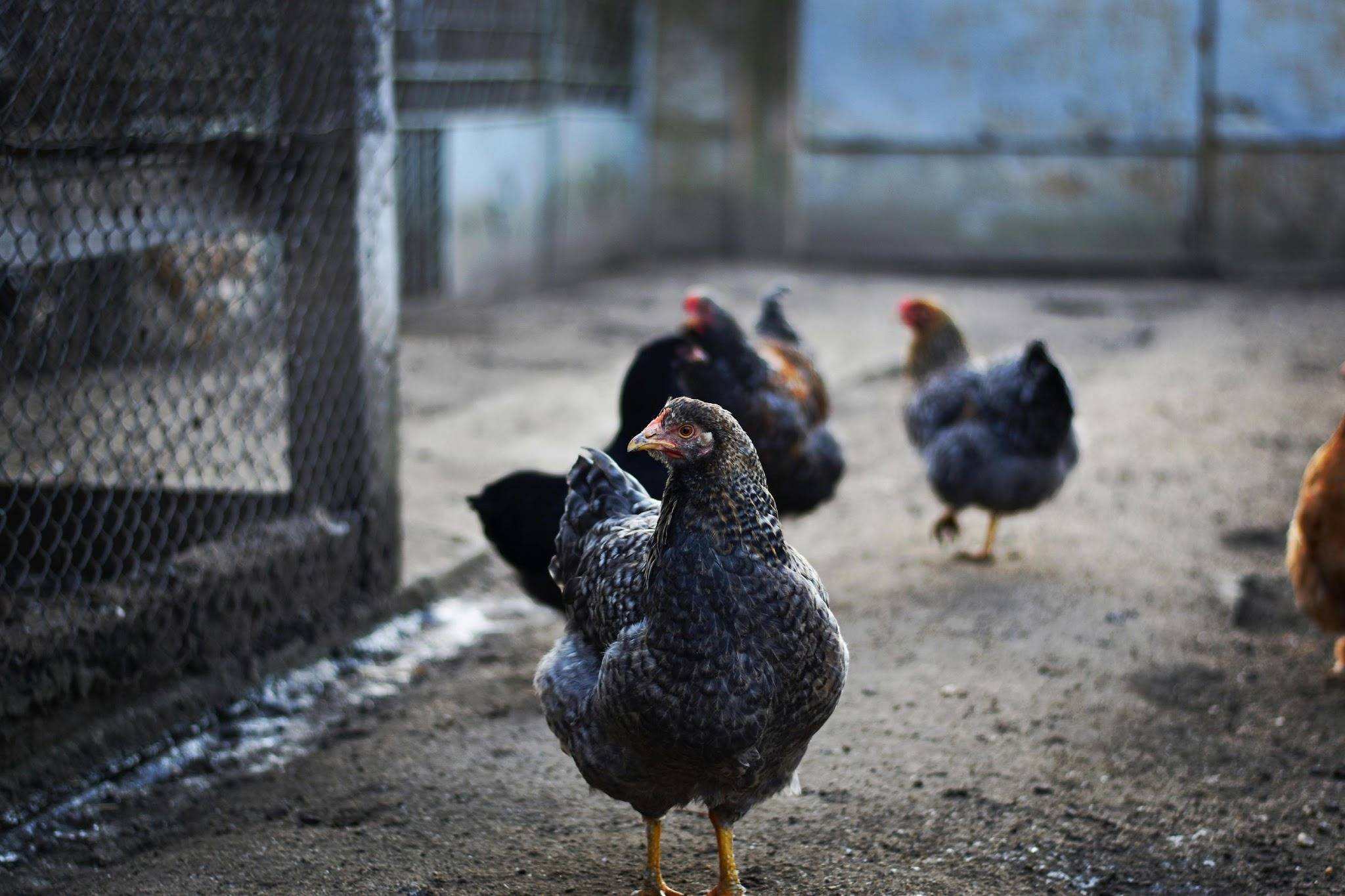
Mites are a common nuisance for backyard poultry owners, and when left unchecked, they can quickly turn into a serious problem. These tiny parasites feed on birds’ blood and skin, causing irritation, stress, feather loss, and even decreased egg production. In severe cases, mite infestations can weaken birds and make them more vulnerable to illness. Acting quickly and using the right treatment can make all the difference in restoring flock health.
Poultry sprays are one of the most effective and practical solutions for fast mite control. When used correctly, they help eliminate infestations and reduce the chances of mites returning.
Why Mites Spread Quickly in Poultry Environments
Mites thrive in warm, sheltered conditions, which makes chicken coops the perfect breeding ground. Cracks in wood, nesting boxes, roost bars, and bedding provide ideal hiding places where mites lay eggs and multiply rapidly. Birds that roost closely together also make it easier for mites to spread from one host to another.
Stress factors such as overcrowding, poor ventilation, or damp conditions can further increase the risk of infestation. Because mites are nocturnal, many poultry owners do not notice the problem until birds show visible signs like restlessness at night, excessive scratching, or pale combs caused by blood loss.
Signs Your Flock Needs Immediate Treatment
Knowing the warning signs helps you act before the infestation becomes severe. Common indicators include feather damage around the vent area, small red or black specks on eggs, or scaly skin near the legs and under wings. You may also notice birds avoiding nesting boxes or appearing lethargic.
Checking your coop with a flashlight after dark often reveals mites crawling on roosts or along coop seams. Early detection is key, as mild infestations are far easier to control than advanced ones that spread throughout the housing structure.
How Poultry Spray Works Against Mites
Poultry spray is designed to target mites at multiple stages of their lifecycle. Most sprays work by killing adult mites on contact while also discouraging eggs from hatching. Application typically involves treating both the birds and their environment, since mites live in the coop as much as they do on the poultry.
A quality poultry spray for mites is usually applied directly to feathers, focusing on areas where mites hide, such as under the wings, around the vent, and along the neck. The coop itself should also be treated, including cracks, perches, nesting boxes, and bedding. This dual approach ensures mites do not simply return after treatment.
Best Practices for Fast and Effective Results
Speed and consistency are critical when using poultry spray. Start by removing old bedding and thoroughly cleaning the coop to remove debris and mite hiding spots. Apply the spray according to label instructions, ensuring full coverage without oversaturating birds or surfaces.
Repeat applications are often necessary, usually after 7 to 10 days, to target newly hatched mites. During treatment, monitor your flock closely for improvements in behavior and appearance. Providing dust baths with natural materials like diatomaceous earth or sand can also help birds manage parasites between treatments.
Improving coop conditions plays a major role in long term success. Good ventilation, dry bedding, and regular cleaning reduce moisture and make the environment less favorable for mites. These preventative steps work hand in hand with spray treatments to keep infestations under control.
Preventing Future Mite Infestations
Once mites are eliminated, prevention becomes the next priority. Regular inspections of birds and coop areas help catch problems early. Introducing new birds should always include a quarantine period, as mites are often brought in by infected poultry.
Routine coop maintenance, such as sealing cracks in wood and replacing worn materials, reduces hiding spots. Many poultry owners also use occasional preventative spray applications during warmer months, when mite activity is highest. A proactive approach minimizes the risk of another outbreak and keeps your flock comfortable year-round.
Conclusion
Mites can spread fast and cause significant stress to poultry if not addressed promptly. Poultry sprays offer a practical and efficient solution when used correctly and combined with good coop hygiene. By recognizing the signs early, following proper treatment steps, and maintaining a clean environment, you can protect your birds and prevent mites from becoming a recurring issue. A healthy, mite-free flock is more productive, more comfortable, and far easier to manage in the long run.