
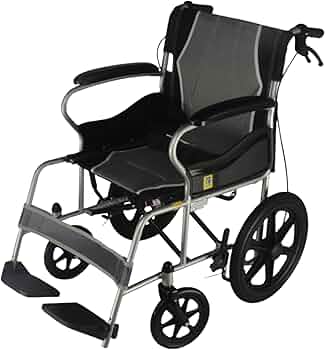
Are you a young adult searching for the perfect folding wheelchair that fits your lifestyle? Have you been overwhelmed by the sheer number of options available in Australia? Maybe you’re wondering whether you should prioritise portability over comfort, or style over functionality. You’re not alone in asking these questions.
Choosing the right folding wheelchair is about so much more than just getting from A to B. It’s about maintaining your independence, keeping up with your social life, and finding something that genuinely works for you. Whether you’re heading to university lectures, navigating your workplace, or planning your next adventure, your wheelchair should support your goals—not hold you back.
In this guide, we’ll walk you through everything you need to know about selecting the ideal folding wheelchairs in Australia. From understanding the different types available to figuring out NDIS funding options, we’ve got you covered. Plus, we’ll explore what features matter most for young adults and help you avoid common mistakes that could cost you time and money.
Understanding Folding Wheelchairs: The Basics
So, what exactly is a folding wheelchair? Put simply, it’s a wheelchair designed with a collapsible frame that allows for easy storage and transport. Unlike rigid wheelchairs, which have a fixed frame, folding wheelchairs can be compacted—making them brilliant for anyone who needs to pop their chair in a car boot or store it in tight spaces.
The main difference between folding and rigid wheelchairs comes down to weight and portability versus performance. Rigid wheelchairs tend to be lighter and more responsive, making them popular among active users. Folding wheelchairs, on the other hand, offer flexibility and convenience that rigid models simply can’t match. For young adults balancing multiple responsibilities, this trade-off often tips in favour of folding options.
When looking at key components, you’ll want to pay attention to the frame material, wheel size, seat dimensions, and folding mechanism. These elements determine everything from comfort to how easily you can manage the chair independently. Understanding these basics will help you make an informed decision when browsing wheelchair Australia retailers.
Why Young Adults Have Unique Wheelchair Needs
Let’s be honest—your lifestyle at 25 looks completely different from someone at 65. Young adults juggle work, study, social events, and often have far more active routines. This means your wheelchair needs to keep pace with a packed schedule.
Portability and independence are absolutely key. You might need to throw your chair into a friend’s car for a spontaneous weekend trip, navigate crowded university hallways, or commute via public transport. A wheelchair that folds quickly and compactly makes all of this much easier.
And here’s something that doesn’t get discussed enough: style matters. You shouldn’t have to sacrifice aesthetics for functionality. Many modern folding wheelchairs come in sleek designs with colour options, so you can find something that reflects your personality. After all, your wheelchair is part of your everyday life—it should feel like an extension of you.
Types Of Folding Wheelchairs Available In Australia
When shopping for a wheelchair in Australia, you’ll encounter several categories. Manual folding wheelchairs are the most common and require self-propulsion or assistance from another person. They’re generally affordable and work well for occasional use.
Lightweight folding wheelchairs, typically weighing between 10 and 15kg, offer easier manoeuvrability and transport. For those with active lifestyles, ultra-lightweight options (under 10kg) provide even greater agility. These are fantastic for young adults who are constantly on the move and need something that won’t slow them down.
Electric folding wheelchairs have gained popularity in recent years. These battery-powered chairs fold down for transport but offer motorised movement, reducing physical strain. While they cost more, they can be life-changing for users with limited upper body strength or those who cover longer distances daily. The question isn’t whether they’re worth it—it’s whether they suit your specific needs and budget.
What Should I Look For When Buying A Folding Wheelchair?
Frame material significantly impacts both weight and durability. Aluminium frames offer a great balance of strength and lightness, while steel frames are more affordable but heavier. Always check the weight capacity to make sure it meets your requirements comfortably.
Seat dimensions matter more than many people realise. An incorrectly sized seat can cause discomfort, pressure sores, and posture problems. Look for adjustable seat width and depth options, along with cushioning that provides adequate support.
Wheel size affects performance, too. Larger rear wheels make self-propulsion easier, while smaller front castors improve manoeuvrability. Consider tyre options as well—pneumatic tyres offer a smoother ride but require maintenance, whereas solid tyres are virtually maintenance-free.
Finally, examine the folding mechanism carefully. Some chairs fold side-to-side, others collapse from front-to-back. Test how easily you can operate it independently and how compact it becomes when folded.
Can I Get Funding For A Wheelchair Through The NDIS?
Understanding NDIS wheelchair funding can feel overwhelming, but here’s the good news: if you’re an NDIS participant, funding for wheelchairs and accessories may be included in your plan under Assistive Technology. The NDIS covers items deemed “reasonable and necessary” to support your independence.
To apply for wheelchair funding, you’ll need an assessment from an occupational therapist or physiotherapist who can recommend appropriate equipment. This recommendation, along with quotes from NDIS registered providers, forms part of your funding application.
Beyond the NDIS, other financial assistance options exist. State-based equipment programs, charitable organisations, and health insurance may provide support. It’s worth exploring all avenues to reduce out-of-pocket costs.
How Do I Know What Size Wheelchair I Need?
Getting the correct size is crucial. Take accurate measurements of your hip width (for seat width), thigh length (for seat depth), and leg length (for footrest positioning). Don’t guess—measure properly or get help from a professional.
A professional assessment from an occupational therapist ensures you receive a wheelchair perfectly suited to your body and needs. Many wheelchair Australia suppliers offer fitting services, which can be invaluable.
Common sizing mistakes include choosing seats that are too wide (affecting posture and propulsion efficiency) or too narrow (causing discomfort and pressure points). Avoid the temptation to size up “just in case”—proper fit is everything.
Top Features Young Adults Should Prioritise
Quick-release wheels make transport infinitely easier. With a simple push of a button, you can remove the wheels, making the chair lighter and more compact for car travel.
Adjustable footrests and armrests improve both comfort and functionality. Swing-away footrests simplify transfers, while removable armrests make sliding into car seats much smoother.
Don’t overlook safety features like anti-tip wheels, which prevent backward falls on slopes. Good cushioning and pressure relief options are equally important, particularly if you spend extended periods in your chair.
Travelling With A Folding Wheelchair
Most folding wheelchairs fit comfortably in average car boots when collapsed. However, measure your boot space and compare it with your chair’s folded dimensions before purchasing. Nothing’s worse than discovering your chair doesn’t fit after you’ve bought it.
Flying with a folding wheelchair requires some preparation. Airlines generally transport wheelchairs free of charge, but policies vary. Contact your airline beforehand, arrive early, and consider a luggage tag with your details attached to your chair.
Australian cities are becoming increasingly accessible, with most public transport systems accommodating wheelchairs. Check accessibility information for your local trains, buses, and trams before travelling.
Maintaining Your Folding Wheelchair
Regular maintenance keeps your chair running smoothly. Check tyre pressure (if applicable), inspect brakes, clean the frame, and lubricate moving parts monthly. Address any squeaks or resistance immediately.
Parts like tyres, cushions, and brake pads wear out over time. Replace them as needed, and consider upgrading your chair when it no longer meets your requirements or shows significant wear.
Final Thoughts: Making the Right Choice for Your Future
Choosing the right folding wheelchair isn’t a decision to rush. Take your time exploring options, get properly measured, and consider how your lifestyle might evolve over the coming years. What works for you today should still serve you well tomorrow.
Remember, your wheelchair is an investment in your independence and quality of life. Whether you’re a university student, young professional, or someone with an active lifestyle, there’s a folding wheelchair out there that’s perfect for you. Don’t settle for something that merely “does the job”—find something that genuinely enhances your daily experience.
If you’re searching for a wheelchair in Australia, start by exploring NDIS-registered providers and specialist mobility retailers. Many offer trial periods or demonstrations, allowing you to test before committing. Your perfect match is out there—happy hunting!