
Have you ever wondered why so many physiotherapists and sports clinics swear by ultrasound treatment? What makes this technology so popular for managing pain and healing injuries? And more importantly, how can you get the best results from an ultrasound therapy machine?
Ultrasound treatment has become a cornerstone of modern rehabilitation and pain management. Whether you’re a healthcare professional looking to refine your technique or someone considering this therapy for the first time, understanding how to use these machines effectively can make all the difference. The technology might sound complex, but the principles behind it are surprisingly straightforward once you break them down.
In this guide, we’ll explore everything you need to know about therapeutic ultrasound. From the science behind those healing waves to practical tips for getting optimal results, we’ve got you covered. You’ll learn about different machine types, proper techniques, safety considerations, and common mistakes to avoid. By the end, you’ll have the knowledge to make the most of this versatile treatment option.
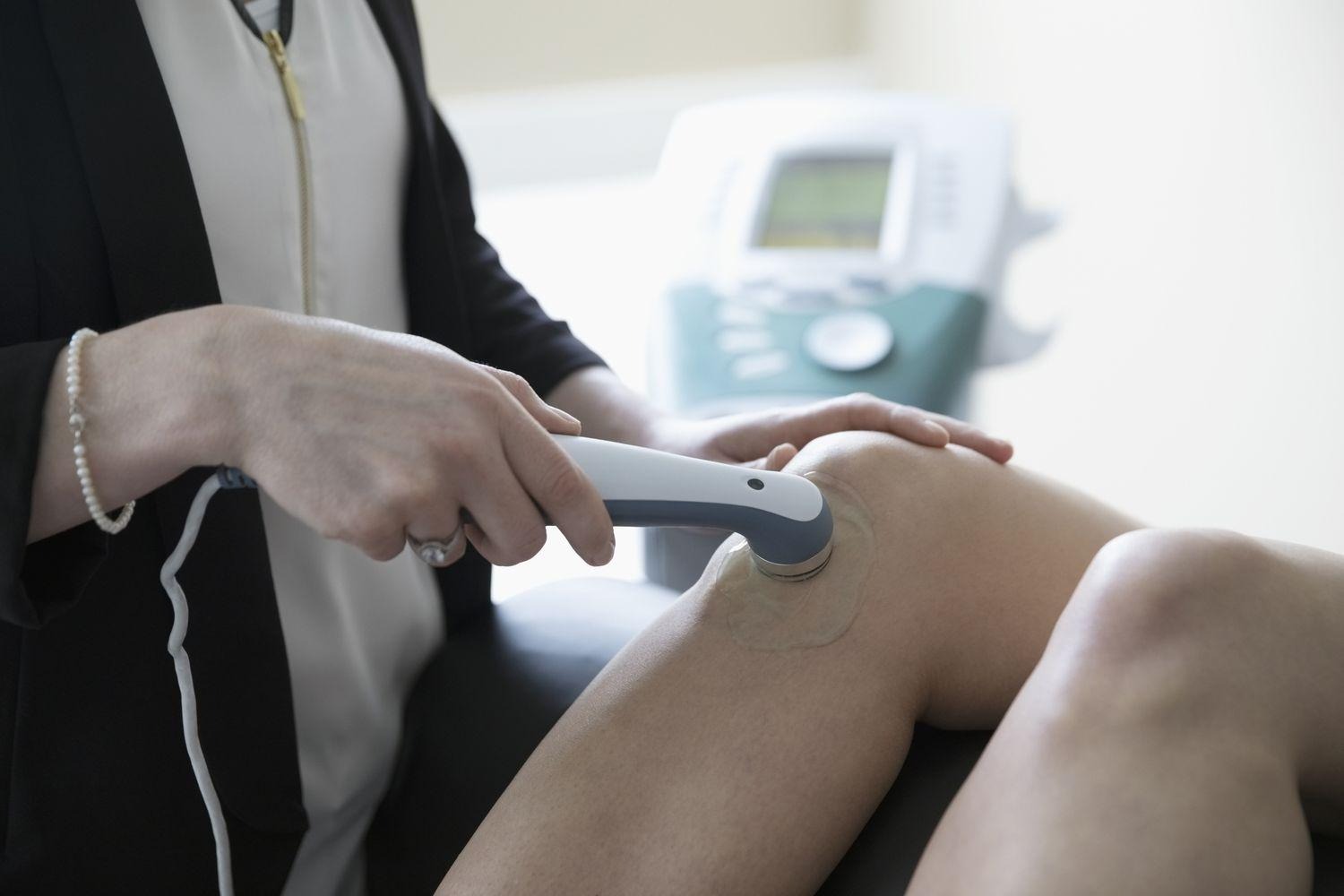
Understanding How Ultrasound Therapy Machines Work
Therapeutic ultrasound uses high-frequency sound waves to penetrate soft tissues beneath the skin. These waves are far beyond what human ears can detect, typically ranging from 1 to 3 MHz. When these sound waves enter your body, they create microscopic vibrations in the tissue cells.
The effects of ultrasound treatment fall into two main categories: thermal and non-thermal. Thermal effects occur when the sound waves cause tissue to heat up gently. This increased temperature boosts blood flow, relaxes muscles, and helps reduce pain. It’s particularly useful for chronic conditions where increased circulation promotes healing.
Non-thermal effects are equally important. These include something called cavitation, where tiny gas bubbles in the tissue expand and contract. This process helps stimulate cell repair and reduces inflammation. The frequency you choose matters too. Lower frequencies (1 MHz) penetrate deeper into tissues, making them ideal for treating muscles and joints. Higher frequencies (3 MHz) work better for superficial issues closer to the skin’s surface.
Types Of Ultrasound Therapy Machines
When it comes to ultrasound devices, you’ve got options. Portable ultrasound machines designed for home use have become increasingly popular. These compact devices are user-friendly and perfect for ongoing treatment between clinic visits. They’re typically less powerful than professional equipment but still effective for many conditions.
Professional-grade clinical machines offer more features and greater power output. These units allow practitioners to fine-tune settings with precision, making them suitable for a wider range of conditions. They’re built for daily use and come with larger treatment heads and more sophisticated controls.
It’s worth noting the difference between therapeutic and diagnostic ultrasound. While both use sound waves, they serve completely different purposes. Diagnostic ultrasound (like pregnancy scans) creates images of internal structures. Therapeutic ultrasound, on the other hand, delivers energy to promote healing without producing images. The intensity and application methods differ significantly between these two approaches.
Conditions Treated With Ultrasound Therapy
Ultrasound treatment shines when it comes to muscle strains and soft tissue injuries. Athletes and weekend warriors alike benefit from its ability to speed up recovery times. The increased blood flow and cellular stimulation help damaged tissues repair more quickly.
Chronic pain management is another area where ultrasound therapy proves valuable. Conditions like lower back pain, neck stiffness, and repetitive strain injuries often respond well to regular treatment. Many Australian physiotherapy clinics incorporate ultrasound into their pain management protocols.
Is ultrasound treatment effective for arthritis? The evidence suggests it can provide relief, particularly for osteoarthritis. The gentle heating effect helps reduce joint stiffness and improve mobility. However, results vary between individuals, and it’s best used as part of a broader treatment plan.
Does ultrasound therapy help with tendonitis? Yes, many practitioners find it beneficial for conditions like tennis elbow, Achilles tendonitis, and rotator cuff injuries. The non-thermal effects help reduce inflammation while promoting tissue repair. Multiple sessions are usually needed for noticeable improvement.
Step-By-Step Guide To Using Ultrasound Therapy Machines Effectively
Getting the best results from ultrasound treatment starts with proper preparation. Clean the treatment area thoroughly and inspect the skin for any cuts, rashes, or infections. Remove any jewellery or clothing covering the target zone. Position the patient comfortably so they can relax throughout the session.
Coupling gel is essential for effective treatment. Apply a generous amount to the treatment area—this gel helps transmit sound waves into the tissue. Without it, the waves simply bounce off the skin surface. Spread the gel evenly and make sure there are no air bubbles trapped underneath.
Setting the right intensity and duration depends on several factors:
– Acute injuries: Lower intensity (0.5-1.0 W/cm²) for shorter periods
– Chronic conditions: Higher intensity (1.0-2.0 W/cm²) for longer sessions
– Treatment time: Typically 5-10 minutes per area
Keep the treatment head moving constantly in slow, overlapping circles or strokes. Never leave it stationary, as this can cause hot spots and tissue damage. Maintain firm, even contact with the skin throughout.
How often should you use ultrasound therapy? For acute injuries, daily treatment might be appropriate initially. Chronic conditions typically respond well to 2-3 sessions per week. Your practitioner will adjust the frequency based on your response to treatment.
Safety Precautions And Contraindications
Not everyone should receive ultrasound treatment. Pregnant women should avoid it entirely, particularly over the abdomen and lower back. People with pacemakers, metal implants in the treatment area, or active infections are also unsuitable candidates.
Certain body areas should never be treated with therapeutic ultrasound:
– Eyes
– Heart
– Brain or spinal cord
– Reproductive organs
– Growth plates in children
– Areas with reduced sensation
– Cancerous tumours
Can ultrasound therapy cause damage? When used incorrectly, yes. Excessive intensity or stationary application can burn tissues. That’s why proper training and technique matter so much. Following manufacturer guidelines and professional protocols keeps treatment safe.
Watch for adverse reactions during and after treatment. Increased pain, unusual warmth, or skin redness might indicate the settings are too high. If symptoms worsen rather than improve over several sessions, reassess the treatment approach.
Maximising Your Ultrasound Treatment Results
Combining ultrasound with other therapies often produces better outcomes. Many practitioners pair it with stretching exercises, manual therapy, or ice application. This multi-modal approach addresses different aspects of healing simultaneously.
Pre-treatment preparation helps maximise benefits. Light stretching or gentle movement before your session can increase blood flow to the target area. Post-treatment, avoid strenuous activity for a few hours to let the therapeutic effects settle in. Staying hydrated also supports the healing process.
How long does it take for ultrasound therapy to work? Some people notice improvement after just one session, while others need several weeks of consistent treatment. Acute injuries typically respond faster than chronic conditions. Patience and consistency are key—don’t expect overnight miracles, but do expect gradual improvement with proper technique.
Common Mistakes To Avoid During Ultrasound Treatment
Incorrect settings top the list of common errors. Using too high an intensity for the condition being treated can cause discomfort and potentially harm tissue. Always start conservatively and increase settings gradually based on patient response.
Poor technique undermines even the best equipment. Moving too quickly reduces energy delivery to tissues. Moving too slowly or stopping creates dangerous hot spots. Maintaining consistent pressure and speed takes practice but makes a significant difference in outcomes.
Maintenance oversights affect machine performance over time. Regularly inspect treatment heads for cracks or damage. Keep the equipment clean and store it properly. A poorly maintained machine delivers inconsistent results and may even pose safety risks.
Key Takeaways For Effective Ultrasound Therapy Use
Ultrasound therapy machine remains one of the most versatile and accessible therapeutic options available today. Whether you’re managing a sports injury, dealing with chronic pain, or recovering from surgery, understanding proper technique makes all the difference to your outcomes.
The fundamentals are clear: choose appropriate settings for your condition, keep the treatment head moving, use plenty of coupling gel, and respect the contraindications. These basics apply whether you’re a seasoned practitioner or someone using a home device for the first time. Quality equipment matters, but technique matters even more.
Remember, ultrasound therapy works best as part of a comprehensive approach to healing. Combine it with appropriate exercise, rest, and other treatments recommended by your healthcare provider. With patience and proper application, this proven technology can help you achieve the pain relief and recovery you’re looking for. Here’s to your health and healing journey!