
Key Takeaways
- Understanding the primary components of a metal lathe is crucial for effective operation.
- Safety measures are paramount to prevent accidents and ensure a productive workspace.
- Regular maintenance extends the lifespan and accuracy of the lathe.
Embarking on the journey of metalworking can be both exciting and daunting. Whether you are interested in crafting small projects or tackling larger fabrication tasks, understanding the role of the metal lathe is essential. A cornerstone of metal shops, manual lathes enable users to shape, cut, and finish metal with remarkable precision. For anyone new to the field, learning how a metal lathe operates, maintaining it, and observing proper safety measures forms the foundation of successful metalworking.
The complexity of lathes may seem overwhelming, but breaking down each component and operation into manageable steps makes mastering this tool much more approachable. By gaining familiarity with a lathe’s structure, understanding its potential, and committing to safe practices, even beginners can confidently pursue metalwork. With consistent learning and practice, users can progress from simple modifications to advanced creations. A commitment to safety and care, along with a willingness to seek guidance, will yield rewarding results in both skill and finished products.
Understanding Metal Lathe Components
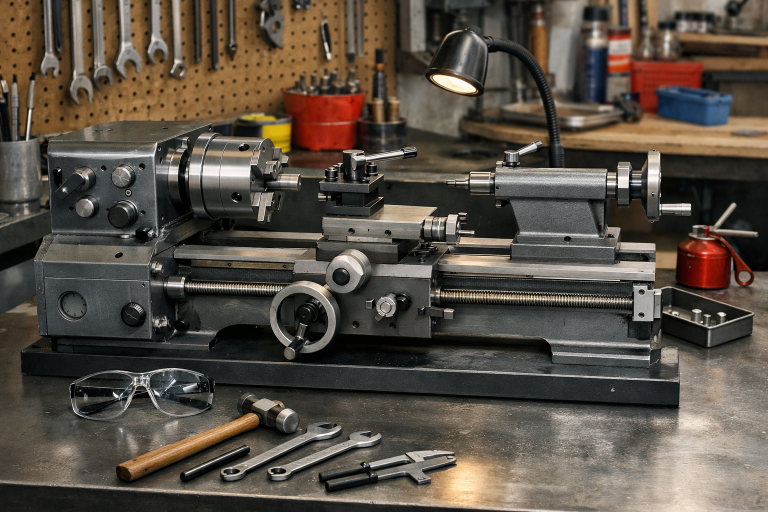
A metal lathe is made up of several key components, each necessary for shaping metal and executing precise fabrication tasks:
- Headstock: This section houses the main spindle and motor, which drive the workpiece’s rotation. By supporting different speed and gear settings, the headstock is fundamental to smooth, controlled operation.
- Tailstock: Positioned opposite the headstock, the tailstock supports the end of the workpiece and can be used to hold drilling or reaming tools for operations along the workpiece’s axis.
- Carriage: Moving along the length of the lathe bed, the carriage carries the cutting tool and ensures it advances steadily and accurately. The main controls here include the saddle, cross-slide, and tool post.
- Bed: As the base of the machine, the bed supports all other parts and ensures proper alignment to maintain accuracy.
- Lead Screw: This component is essential for threading operations and precise movement of the carriage along the length of the bed.
Understanding these essential components not only helps master operations but also aids in troubleshooting, upgrades, and replacements over time.
Safety Measures for Lathe Operation
Safety must always be at the forefront of any metalworking operation. Due to the rotating parts and potential for flying debris, taking the following precautions is critical:
- Wear approved personal protective equipment at all times, such as safety glasses, face shields, and hearing protection.
- Avoid loose clothing and jewelry, and keep long hair tied back to prevent the risk of entanglement in rotating parts.
- Before starting, ensure all pieces and tools are tightly secured. A loose workpiece can become a dangerous projectile.
- Maintain a tidy workshop. Clean up excess oil, metal shavings, and debris promptly to reduce tripping or slipping hazards.
- Turn off the lathe before making adjustments or measurements. Never attempt to touch moving parts with your hands or tools.
Consistently following these guidelines not only protects the operator but also contributes to a productive, collaborative shop environment. The Occupational Safety and Health Administration offers extensive guidance and resources for workplace safety regulations; you can find more at OSHA’s machine guarding guide.
Basic Lathe Operations
Mastering basic operations is vital for anyone beginning their metalworking journey. The most common foundational techniques include:
- Facing: This process creates a flat, perpendicular surface at the end of a workpiece. It’s often the first step to ensure the workpiece is square and true before further operations.
- Turning: By moving the tool parallel to the workpiece axis, you can reduce its diameter or create specific shapes and profiles.
- Parting: Parting involves cutting sections off the workpiece using a special tool. This is useful for finishing or separating completed parts.
- Drilling: The tailstock can hold a drill chuck, allowing precise alignment when boring holes along the center of the rotating workpiece.
- Threading: With the help of the lead screw, threading operations cut precise screw threads, either on the surface (external) or inside a hole (internal).
Practical experience with these operations will provide a solid grounding for more advanced projects and techniques.
Maintenance and Care
Routine maintenance preserves the safety, accuracy, and longevity of your metal lathe. Key practices include:
- Lubricating all moving parts as specified by the manufacturer to minimize friction and extend component life.
- Thoroughly cleaning the machine after use to remove metal shavings, coolant, and debris that can disrupt function or damage surfaces.
- Routinely check and adjust all alignments and guides, ensuring the lathe continues to produce precise results.
- Inspect electrical components and wiring for wear or defects, addressing issues promptly to avoid safety hazards.
Scheduled care not only keeps your equipment in top shape but also helps prevent unexpected breakdowns and repair costs.
Choosing the Right Lathe
When outfitting your workspace, selecting a lathe that fits your needs is crucial. For hobbyists or those with limited space, a benchtop lathe offers an excellent entry point. If you undertake larger or professional projects, a floor-standing, industrial-grade lathe may be necessary. Always consider the available space, power requirements, project types, and budget. Sound research and honest assessment of your capabilities and ambitions will direct you to the right investment.
Learning Resources and Community
The metalworking community is both extensive and supportive. Online forums, YouTube tutorials, and local workshops provide a wealth of shared expertise and troubleshooting advice. Books and technical manuals offer detailed instruction and insights on both foundational and advanced topics. Connecting with experienced machinists, whether in person or online, can help accelerate the learning curve and build a network to support long-term growth in proficiency and confidence.
Conclusion
Starting your journey with metalworking lathes opens a rewarding path toward precision engineering and creative fabrication. By establishing a solid grasp of lathe components, practicing consistent safety and maintenance routines, and methodically developing your skills, you can create functional and artistic metal pieces with increasing complexity. Step by step, you develop both the mastery of your craft and the satisfaction that comes with building something with your own hands.