
Key Takeaways:
- Retail kiosks enhance customer convenience and streamline shopping processes.
- They address labor shortages by automating routine tasks.
- Integration of AI and self-service technologies is transforming the retail landscape.
The Rise of Self-Service Kiosks in Retail
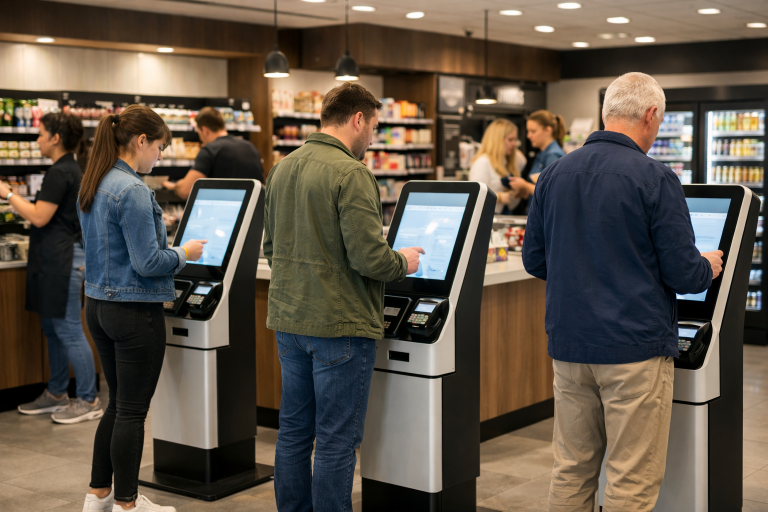
The retail industry has undergone dramatic changes as technology continues to shape the way people shop. Self-service kiosks now stand at the forefront of this transformation, helping businesses adapt to shifting consumer expectations for speed and autonomy. Many retailers are investing in kiosk solutions to deliver seamless customer journeys, and industry leaders have noted their influence on store efficiency. According to a recent report, nearly nine out of ten retailers have implemented some form of self-checkout, a trend that reflects the broader shift toward automation. For businesses looking to stay ahead, exploring KIOSK retail solutions has become increasingly common as they seek to meet these evolving demands.
Self-service kiosks not only reduce wait times but also create opportunities to interact with shoppers in new ways. By offering personalized service and expediting transactions, these systems make shopping more enjoyable and efficient. The pandemic accelerated digital adoption in retail, fueling rapid growth in kiosk deployment across grocery stores, big-box retailers, and specialty shops alike.
Enhancing Customer Convenience
Shoppers today expect instant gratification and a frictionless experience when visiting brick-and-mortar stores. Modern kiosks provide intuitive touchscreens, easy navigation, and self-checkout options that appeal to customers seeking control over their purchase journey. A revealing survey found that nearly four out of five shoppers feel self-checkout improves their overall satisfaction, underscoring the impact of thoughtful technology integration on consumer attitudes.
The convenience provided by kiosks extends beyond checkout. In some locations, customers use kiosks to order products for home delivery, access digital coupons, or check inventory availability without needing to wait for assistance. This gradual shift has encouraged brands to experiment with advanced features such as voice commands and mobile integration, allowing for even greater flexibility and personalization.
Widespread labor shortages in the retail sector have heightened the importance of automation for routine tasks. Kiosks offer tangible solutions by handling checkouts, order placement, and product lookups, enabling businesses to redeploy team members to high-value roles like customer service and restocking shelves. As retailers contend with staffing challenges, these systems provide operational resiliency and consistency, helping stores remain competitive even when workforce numbers fluctuate.
The automation offered by retail kiosks is not only a response to workforce shortages but also a strategic advantage for scaling operations. Businesses can operate longer hours, reduce bottlenecks during peak shopping periods, and maintain a consistent service level, all while allocating their human resources more effectively. For further insight into the wider commercial adoption of these solutions, a comprehensive overview from AV Network explores how retailers are rethinking workforce strategies in the age of automation.
Integration of AI and Advanced Technologies
Artificial intelligence is rapidly elevating the functionality of retail kiosks, making it possible to deliver highly personalized shopping experiences. With the help of AI, kiosks can analyze shopper behavior, recommend complementary products, and adapt their interfaces in real-time based on user interactions. This technology also supports inventory management and demand forecasting, granting retailers deeper insight into customer preferences and stock levels.
In some advanced systems, AI-driven kiosks use facial recognition to identify loyalty program members or offer customized promotions, while machine learning algorithms fine-tune upsell suggestions. These capabilities are driving the retail industry closer to a truly frictionless experience in which human staff and automated kiosks work together to meet customer needs quickly and accurately.
Impact on Store Design and Layout
The increasing presence of kiosks has prompted a rethinking of traditional retail architecture. Store layouts are being modified to prioritize open spaces and flexible self-service stations, allowing for smoother traffic flow and better adaptability to shopper needs. Modular kiosks are replacing or supplementing traditional checkout lanes, freeing up floor space for product displays and interactive experiences that engage visitors.
Retailers are also reimagining the use of in-store technology. Flexible kiosks can be deployed or relocated easily to accommodate changing traffic patterns, temporary promotions, or seasonal changes, enhancing both aesthetic appeal and overall store functionality. This trend is part of a broader move toward creating engaging and welcoming physical retail environments that reflect the evolving expectations of consumers.
Challenges and Considerations
Despite their many advantages, retail kiosks are not without drawbacks. Initial investment costs, maintenance requirements, and the need for regular software updates can pose challenges for smaller businesses. Ensuring that all customers, including those less familiar with technology, are able to interact comfortably with kiosks is crucial for inclusive service.
Additionally, retailers must strike the right balance between automation and human interaction. While kiosks provide efficiency, shoppers may still prefer personal assistance for complex queries or sensitive transactions. Maintaining staff presence alongside technology ensures a welcoming atmosphere and reinforces brand loyalty.
Future Outlook
Looking ahead, the role of kiosks in retail will only grow as technology becomes more advanced and widespread. AI-driven personalization, biometric authentication, and contactless transactions will become standard, fostering a new era of convenience and engagement. Forward-thinking retailers who embrace continuous innovation in self-service will be best positioned to meet the demands of tomorrow’s shoppers.
The transformation brought by retail kiosks is already reshaping the shopping landscape, enhancing convenience, optimizing operations, and redefining what customers expect from their in-store experiences. As digital and physical retail continue to converge, kiosks will remain an essential tool in delivering the seamless, flexible, and satisfying experiences that shoppers crave.