
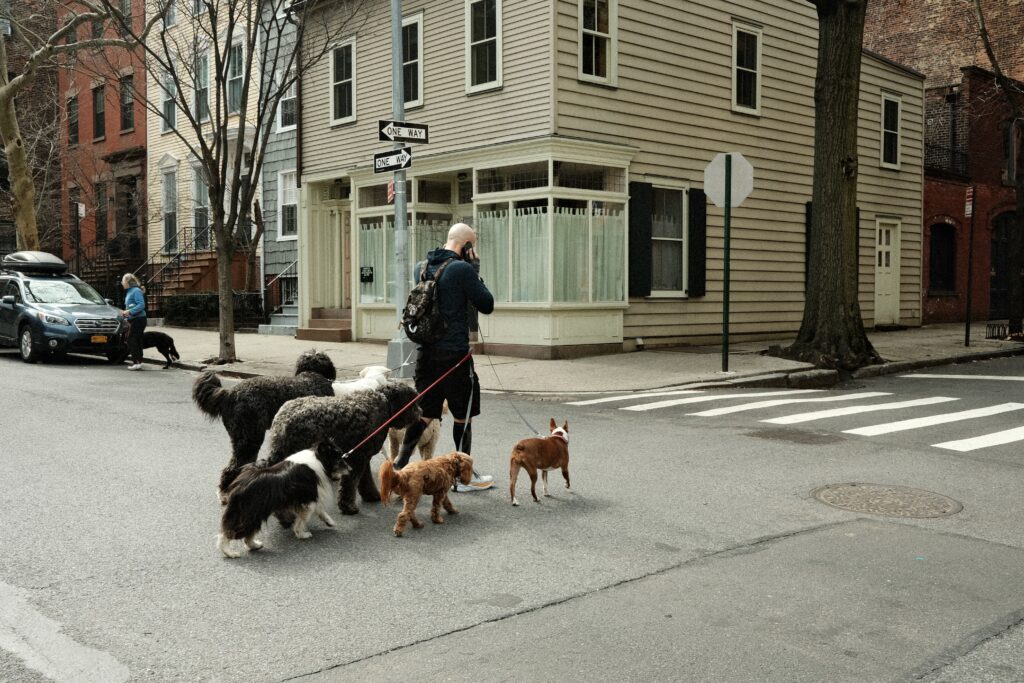
Working as a professional dog walker comes with a variety of responsibilities, and one of the most important is ensuring the safety of every dog in your care. While many walks go smoothly, unexpected encounters with off-leash dogs can quickly introduce risk and uncertainty. Even well-trained dogs may react unpredictably when approached by an unfamiliar canine, especially when one is restrained, and the other is not. For walkers managing multiple dogs or navigating busy neighborhoods, knowing how to respond effectively is essential. Taking a proactive and informed approach can help prevent conflict, reduce liability, and protect both the dogs and yourself in challenging situations.
Understanding the Risks of Off-Leash Encounters
Off-leash dogs present a range of risks, regardless of their apparent temperament. A friendly dog may approach with good intentions, but that interaction can still escalate if a leashed dog feels threatened or anxious. The imbalance between a leashed and an unleashed dog can trigger defensive behaviors, including barking, lunging, or even biting.
Professional walkers must also consider the behavior of the dogs they are handling. Even a well-socialized dog can react negatively if approached too quickly or without proper introduction. Environmental factors like narrow sidewalks, traffic noise, or crowded spaces can further heighten stress levels. Recognizing these variables helps walkers anticipate and avoid situations that could become dangerous.
Additionally, liability becomes a concern if any incident occurs. Responsibility may extend beyond the dog owner to the walker, depending on local regulations and the circumstances of the event. Understanding these risks is the first step toward managing them effectively.
Staying Alert and Practicing Preventive Awareness
Situational awareness is one of the most valuable tools a professional dog walker can develop. This involves consistently scanning the surroundings for potential hazards, including distant dogs that may be off-leash. Early detection provides more time to react and create distance.
Choosing walking routes strategically can also reduce the likelihood of encountering off-leash dogs. Parks, open trails, and neighborhoods with known leash law enforcement are generally safer options. If a walker notices a pattern of off-leash activity in a specific area, adjusting the route can help minimize repeated exposure.
Body positioning and leash management play a key role in prevention. Keeping dogs close and under control allows for quicker responses if another dog approaches. Maintaining a calm demeanor is equally important, as dogs often take cues from human behavior. Remaining composed can help prevent escalation in uncertain situations.
Responding Calmly and Effectively in the Moment
When an off-leash dog approaches, the goal is to de-escalate the interaction while maintaining control of the dogs in your care. Sudden movements or loud reactions can increase tension, so it is important to stay as calm as possible. Placing yourself between the approaching dog and your group can create a physical barrier and send a clear signal to keep distance.
Using firm, clear commands such as “no,” “stop,” or “go home” may deter the loose dog, especially if it has basic training. Avoid making direct eye contact with the approaching dog, as this can be interpreted as a challenge. At the same time, keep a close watch on its behavior to assess whether it poses a threat.
If the dog continues to approach, slowly moving away while maintaining control of your leash can help create space. Treats or distraction tools may be used to redirect attention in some cases, though this depends on the dog’s responsiveness. Every situation is unique, and adaptability is key.
Protecting Yourself and the Dogs in Your Care
Preventative tools can provide an added layer of protection when dealing with off-leash dogs. Many professional walkers carry deterrents such as air horns, citronella spray, or noise-making devices. These tools should be used responsibly and only when necessary to prevent harm.
Training in canine behavior is another valuable asset. Understanding warning signs such as stiff posture, raised hackles, or prolonged staring can help you identify escalating tension before it leads to aggression. This knowledge allows for quicker, more informed decisions in high-pressure moments.
In the unfortunate event that an incident does occur, documenting the situation is important. Taking note of the location, time, and any identifying information about the other dog or owner can be helpful. In more serious cases involving injury, consulting with a dog bite attorney in Houston or your area may be necessary to understand your legal options and responsibilities. Being prepared for this possibility ensures that you can handle the aftermath professionally.
Building Confidence Through Training and Preparation
Professional dog walking is a skill that improves with experience and ongoing education. Attending workshops on canine behavior, safety protocols, and emergency response can strengthen your ability to handle difficult situations. Many organizations offer certifications that provide valuable insight into dog psychology and conflict management.
Practicing controlled scenarios with known dogs can also help build confidence. Learning how to position yourself, manage leash tension, and redirect attention in a safe environment allows you to respond more effectively during real encounters. Over time, these skills become second nature.
Communication with clients is another important aspect of preparation. Understanding each dog’s temperament, triggers, and history with other animals helps you tailor your approach. Sharing your safety practices with clients can also build trust and reinforce your professionalism.
Conclusion
Handling off-leash dogs as a professional walker requires a combination of awareness, preparation, and calm decision-making. By understanding the risks, staying alert, and responding thoughtfully, you can greatly reduce the chances of conflict. Investing in training, using appropriate tools, and maintaining clear communication with clients further enhances your ability to manage unexpected encounters. Safety should always be the top priority, and with the right approach, you can provide a secure and positive experience for every dog in your care.