
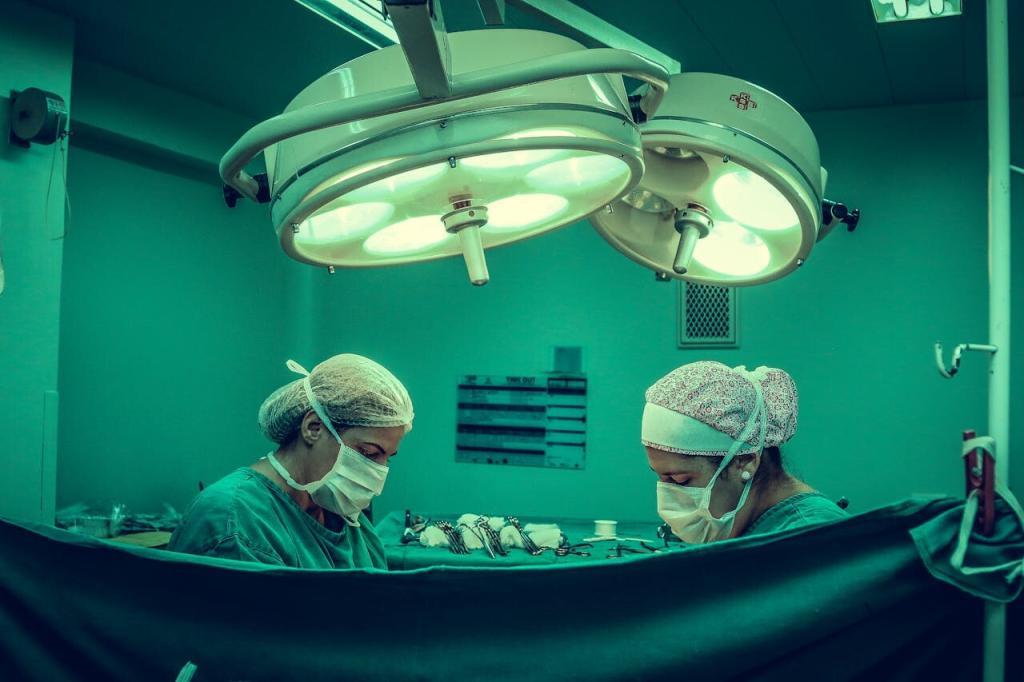
The word plastic in plastic surgery has nothing to do with synthetic materials. It derives from the Greek word plastikos, meaning to mould or give form, and it captures perfectly what this remarkable specialty does: it reshapes, restores, and reconstructs the human body with a precision and artistry that few other surgical disciplines can match. From rebuilding a breast after cancer to correcting a cleft palate in a newborn, from restoring a burn survivor’s ability to use their hands to refining a facial feature that has affected a person’s confidence for years, the scope of plastic surgery is as wide as human need itself. At every level of this work, the most outstanding outcomes emerge when a skilled plastic surgeon & multispeciality hospital work in close concert, combining surgical expertise with the full infrastructure of integrated medical care.
Understanding Plastic Surgery: Reconstructive and Aesthetic Dimensions
Plastic surgery is broadly divided into two interconnected domains: reconstructive surgery and aesthetic (cosmetic) surgery. While the media tends to focus heavily on the cosmetic side, reconstructive surgery represents the deeper and often more complex dimension of the specialty, restoring form and function to those affected by trauma, disease, congenital conditions, or the consequences of other medical treatments.
Reconstructive Plastic Surgery
Reconstructive surgery addresses defects and deformities that arise from a wide range of causes.
Post-cancer reconstruction is one of the most significant areas of reconstructive practice. Breast reconstruction following mastectomy, for example, is a multi-stage surgical undertaking that may involve tissue expanders and implants, or the use of the patient’s own tissue (autologous reconstruction) harvested from the abdomen (TRAM or DIEP flap), back (latissimus dorsi flap), or thighs. Head and neck reconstruction following tumour resection may require complex free flap surgery in which tissue, along with its blood supply, is transplanted from a distant site and microsurgically connected to vessels at the recipient site.
Burn reconstruction addresses the devastating functional and aesthetic consequences of severe burns. Contracture release, skin grafting, tissue expansion, and flap reconstruction are used to restore mobility, sensation, and appearance in patients whose injuries may have affected large body surface areas. This work often spans multiple surgical stages over several years and requires the sustained involvement of burn specialists, physiotherapists, occupational therapists, and psychologists alongside the reconstructive surgeon.
Trauma reconstruction encompasses the repair of complex soft tissue injuries, facial fractures, hand and upper limb injuries, and degloving wounds that require more than simple wound closure. Road traffic accidents, industrial injuries, and penetrating trauma frequently produce injuries of this complexity.
Congenital anomalies, including cleft lip and palate, craniosynostosis (premature fusion of skull bones), syndactyly (fused fingers), hypospadias, and vascular malformations, are addressed through carefully staged surgical programmes that begin in infancy or early childhood and may continue into adolescence.
Hand surgery is a subspecialty within plastic surgery dealing with conditions of the hand, wrist, and forearm, including carpal tunnel syndrome, trigger finger, Dupuytren’s contracture, tendon injuries, nerve repairs, and replantation of amputated digits.
Pressure sore and chronic wound management requires reconstructive expertise when wounds fail to heal through conventional management, with flap surgery often providing durable soft tissue coverage over bony prominences.
Aesthetic Plastic Surgery
Aesthetic surgery addresses the desire to refine or alter appearance in individuals who are dissatisfied with features they consider disproportionate, aged, or aesthetically unpleasing. It is important to recognise that the distinction between reconstructive and aesthetic surgery is not always sharp; a rhinoplasty (nose reshaping procedure) may simultaneously address a breathing obstruction and an aesthetic concern, while eyelid surgery may correct vision impairment caused by drooping lids alongside improving appearance.
Commonly performed aesthetic procedures include:
Rhinoplasty reshapes the nose to improve proportion with other facial features, correct a dorsal hump, refine the nasal tip, or address structural causes of nasal obstruction.
Blepharoplasty removes excess skin and fat from the upper and lower eyelids, addressing hooded upper lids that may impair vision and under-eye bags that create a perpetually fatigued appearance.
Rhytidectomy (facelift) addresses sagging facial and neck skin, jowls, and deepened folds by repositioning the underlying facial soft tissues and removing excess skin. Modern facelift techniques focus on lifting deeper tissue layers (SMAS) rather than simply pulling skin, producing results that are natural and long-lasting.
Breast augmentation uses implants (silicone or saline) or fat transfer to increase breast volume and improve symmetry and shape.
Breast reduction and mastopexy (breast lift) address macromastia (excessively large breasts causing back pain, skin irritation, and postural problems) and breast ptosis (sagging), restoring a more youthful, proportionate contour.
Abdominoplasty (tummy tuck) removes excess abdominal skin and tightens the rectus abdominis muscles, addressing changes that occur following pregnancy, significant weight loss, or ageing.
Liposuction removes localised fat deposits resistant to diet and exercise, refining body contour in areas such as the abdomen, flanks, thighs, arms, and chin. It is often combined with other body contouring procedures.
Body contouring after massive weight loss addresses the significant excess skin that remains following bariatric surgery or major weight loss, with procedures including arm lift (brachioplasty), thigh lift, lower body lift, and combined panniculectomy.
Hair transplantation using follicular unit extraction (FUE) or follicular unit transplantation (FUT) techniques restores hair to areas of thinning or baldness with natural-looking results.
The Surgical Craft: What Sets Exceptional Plastic Surgeons Apart
Plastic surgery demands a unique combination of technical mastery and artistic sensibility. The surgeon must possess an intimate understanding of anatomy across multiple body regions, meticulous microsurgical technique for reconstructive work, a thorough grounding in wound healing biology, and a three-dimensional aesthetic vision that allows them to plan and execute procedures that achieve balanced, harmonious results.
Training in plastic surgery is among the most extensive in medicine. After completing a medical degree and a general surgery residency, plastic surgeons undergo dedicated specialty training of several additional years, during which they develop expertise across the full breadth of the specialty. Many then pursue further subspecialty fellowship training in areas such as microsurgery, craniofacial surgery, hand surgery, or aesthetic surgery.
Alongside technical skill, the best plastic surgeons are distinguished by their consultation approach. A thorough preoperative assessment involves not only a detailed evaluation of the patient’s anatomy and health status but a careful exploration of their motivations, expectations, and psychological readiness for surgery. Managing expectations honestly, explaining risks clearly, and ensuring that the patient’s goals are realistic and achievable are as important as the surgical plan itself.
Why Plastic Surgery Belongs Within a Multispeciality Environment
The complexity and variety of plastic surgical work mean that it rarely exists in isolation from other medical disciplines. In reconstructive surgery, especially, the conditions being addressed, whether cancer, trauma, burns, or congenital anomalies, involve multiple organ systems and require the coordinated expertise of many specialists. Even in aesthetic surgery, patients with underlying medical conditions, including cardiovascular disease, diabetes, clotting disorders, or obesity, require careful preoperative optimization and perioperative management that goes well beyond what a standalone surgical clinic can provide.
This is the central argument for the integrated care model. When a plastic surgeon operates as part of a broader multidisciplinary team within a full-service facility, every dimension of the patient’s care can be addressed comprehensively, simultaneously, and safely. The oncological plastic surgeon performing a breast reconstruction has immediate access to the breast surgeon, the oncologist, the anaesthesiologist, the intensivist, the hematologist, and the radiologist. The hand surgeon treating a complex replantation has the full infrastructure of a vascular surgery team, a fully equipped operating theatre, and an intensive care unit immediately available. The aesthetic surgery patient with controlled hypertension has their cardiac status optimally assessed and managed preoperatively.
This integration does not merely improve safety; it improves outcomes. Research consistently demonstrates that patients treated in high-volume, multidisciplinary settings achieve lower complication rates, shorter recovery times, and higher satisfaction than those treated in lower acuity environments. The combination of a skilled plastic surgeon & multispeciality hospital creates a clinical environment in which excellence becomes not just possible but structurally supported.
Specific Intersections of Plastic Surgery and Multispeciality Care
Oncoplastic Surgery
Oncoplastic breast surgery sits at the intersection of oncological surgery and plastic surgery, combining cancer clearance with immediate or delayed reconstruction in a single, coordinated approach. This discipline has transformed the breast cancer patient’s experience, enabling women to emerge from cancer treatment with restored body image and self-confidence. It requires close collaboration between breast oncological surgeons and plastic surgeons, along with radiologists, pathologists, medical oncologists, and radiation oncologists working within an integrated cancer care programme.
Craniofacial Surgery
The surgical correction of complex craniofacial conditions, including craniosynostosis, orbital hypertelorism, Treacher Collins syndrome, and major facial trauma, requires the combined expertise of plastic surgeons, neurosurgeons, ophthalmologists, ENT surgeons, orthodontists, and speech therapists. These cases are managed through dedicated craniofacial multidisciplinary teams that meet regularly to coordinate treatment plans across years of staged surgical and non-surgical intervention.
Burn Care
Comprehensive burn care is among the most demanding examples of multidisciplinary collaboration in medicine. The acute phase requires intensive care physicians, burn surgeons, anaesthesiologists, and infection control specialists working in concert. The reconstructive phase involves plastic surgeons, occupational therapists, physiotherapists, psychologists, and nutritionists. Paediatric burns add yet another layer of complexity, requiring child specialists, paediatric intensivists, and child life professionals. A standalone plastic surgery unit simply cannot deliver this breadth of care; only a fully resourced multispeciality hospital can.
Lymphoedema Surgery
Surgical management of lymphoedema, including lymphaticovenous anastomosis (LVA) and vascularised lymph node transfer (VLNT), requires microsurgical plastic surgical expertise alongside the involvement of specialist lymphoedema therapists, radiologists performing lymphoscintigraphy, and vascular surgeons. It is an emerging field that exemplifies the integration of cutting-edge plastic surgical technique with broader multidisciplinary support.
Advances in Transforming Plastic Surgery
The field of plastic surgery continues to evolve rapidly, driven by advances in technology, materials science, and surgical technique.
Robotic-assisted microsurgery is beginning to augment the human hand in performing delicate vascular anastomoses, with early evidence suggesting improved precision and consistency in free flap reconstruction.
Three-dimensional imaging and surgical planning software allows surgeons to simulate outcomes digitally before operating, improving preoperative communication with patients and enabling more precise surgical planning, particularly in craniofacial and aesthetic surgery.
Regenerative medicine approaches, including platelet-rich plasma (PRP), fat grafting with stromal vascular fraction, and growth factor therapies, are being investigated and increasingly applied to enhance wound healing, tissue volume restoration, and scar management.
Bioengineered skin substitutes have transformed the acute management of large burn wounds, providing temporary or permanent biological wound coverage that reduces infection risk and improves long-term scar outcomes.
Minimally invasive aesthetic treatments, including botulinum toxin injections, dermal fillers, laser skin resurfacing, radiofrequency tissue tightening, and thread lifts, have created a continuum of non-surgical options that complement surgical procedures, allowing practitioners to offer truly comprehensive aesthetic medicine programmes.
Patient Safety: The Non-Negotiable Foundation
In no surgical specialty is the emphasis on patient safety more critical than in plastic surgery, where procedures are frequently elective, and patients may be otherwise healthy individuals who have chosen to undergo surgery rather than being compelled to do so by medical necessity.
Comprehensive preoperative assessment, anaesthetic review, optimisation of any underlying medical conditions, clear informed consent documentation, adherence to sterile technique, meticulous surgical planning, robust postoperative monitoring, and clear emergency protocols are all non-negotiable components of safe plastic surgical care.
Accreditation by recognised medical and surgical councils, hospital credentialing of surgeons, and transparency about complication rates and revision rates are markers patients should look for when evaluating any facility offering plastic surgical services. Operating theatre standards, intensive care capability, blood bank access, and 24-hour emergency cover matter enormously in the event of a complication, however rare that may be.
Making the Right Choice for Your Care
Whether you are considering reconstructive surgery following illness or injury, or an aesthetic procedure to address a feature that has long affected your confidence, the decision of where and with whom to have surgery is among the most important you will make.
Seek surgeons with formal plastic surgery board certification or equivalent recognised specialist qualification, documented subspecialty training in the specific procedure you are considering, transparent before and after case portfolios, and a consultation approach that prioritises your understanding, comfort, and informed consent above all else.
And seek them within an environment that supports the full arc of your care. The synergy of a dedicated plastic surgeon & multispeciality hospital, combining surgical artistry with comprehensive clinical infrastructure, is not simply a convenience. It is the standard of care that gives every patient the safest, most supported, and most successful path through their surgical journey, whatever that journey may be.