
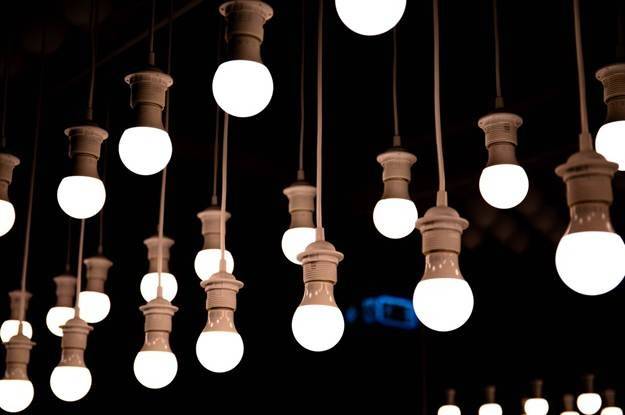
The LED lighting sector in India is one of the fastest-growing industries within the country’s energy sector due to its government-led energy efficiency drives, expanding urbanization, and the falling cost of LED components. Based on recent industry estimates, this LED market, which is currently USD 6.22 billion in size as of 2025, is poised to hit USD 21.11 billion in size by the year 2035 (13.00% of the period growth) as a whole.
Why the Indian LED Lighting Market Is Booming
A number of combined factors have driven increased LED adoption across the Indian LED Lighting Market, spanning both consumer and commercial applications:
• Government Schemes: The UJALA scheme supplied more than 36 crores of subsidized LEDs, and the Street Light National Program switched out incandescent street bulbs across the country.
• Prices: Prices of LED bulbs have fallen to less than 20 percent from what they were in 2014. So, the mass deployment of new LED lighting for our homes, offices and even factory floors has become even more attractive in terms of mass-market take-up.
• Fast city growth: The construction of smart cities, new homes and the rapid expansion of retail, hospitality, e-commerce, warehousing, and data centres has driven demand for commercial LED.
Key Segments of the Market
• LED Bulbs & Lamps: This sector leads in market penetration in the consumer segment, covering more than 90% of all Indian households in urban areas.
• LED Lighting & Fixtures: We have Batten lights, panel lights, and high bay fittings for industrial and commercial use.
• LED Street & Outdoor Lighting: LED street & outdoor Lighting Smart Lighting, smart people “Driven by the smart city &SLNP mission, old Sodium vapour lamps are being replaced with LEDs.” LEDs are the solution for energy saving. Old technology is now going away.
• Trend Led Decorative and Specialty Lighting: Trends led color-changing lighting fixtures, color-led strip lighting fixtures.
• LED Lighting in Cars: Expansion in sync with EV adoption and rising automotive headlamp and interior LED lighting needs.
Emerging Trends Reshaping the Market
• Smart &Connected Lighting: Urban shoppers are showing increased interest in the IoT features of connected bulbs accessible through apps or voice assistants.
• Human-Centric Lighting: New Solutions tailored to circadian rhythms is growing rapidly as a high-end market for offices and healthcare.
• Solar-LED: Bridging the energy gap. Rural and remote areas of the country. Solar power with LED lighting and its role in expanding energy access.
• Make in India: Why global brands are being wooed to set up their local manufacturing plants.
• Standards for green building: LEDs are becoming obligatory because of the GRIHA and LEED certifications.
Challenges Facing the Industry
• Counterfeit products: Inexpensive, not-BIS-compliant LED products affect customer confidence and delay premiumization.
• Price wars Price competition: Competitors (particularly Chinese) are a constant downward pressure on margins for companies striving for quality.
• Recycling of e-waste – Quick lighting changeover is creating e-waste due to a lack of sufficient recycling facilities.
• Shortage of talent in skills: Smart LED systems need talent that possesses knowledge of IoT, and the current lack of installers and maintenance staff continues to persist.
• Heavy import dependence: Manufacturer’s production costs are vulnerable to currency fluctuation and disruption due to chip imports.
Opportunities and the Road Ahead
PMAY will continue supporting housing demand growth; after COVID, we anticipate strong growth in demand for decorative lighting in the hospitality sector. LED lighting is also finding traction in the agriculture space to boost yield in vertical farming, while the growing EV charging infrastructure will require specialized lighting. This smart light trend will continue, as well, due to 5G / AI / IoT features, expanding into the office building, retail environments and public places.
Frequently Asked Questions
Q1. How big is the current market and how fast is it growing?
The global market size was around USD 6.22 billion in 2025 and is expected to reach the valuation of USD 21.11 billion by the year 2035, and the growth rate is recorded at 13.00%, due to various initiatives from government bodies as well as decreasing LED prices.
Q2. Which government schemes have most affected the market?
Ujala scheme, STREET LIGHT NATIONAL PROGRAMME(SLNP) These are the major two programmes that distributed millions of bulbs and provided to citizens and in streetlights to different corners of the nation.
Q3. Who are the market segments of importance?
The primary segments are bulbs and lamps, luminaires and fixtures, decorative lighting, outdoor and street lighting, and Automotive LED Lighting applications.
Q4. Which factors are driving the market towards the future?
Some of the most influential trends driving this trend in the market are Smart and IoT-connected lighting, human-centric lighting, Solar-Led hybrid and domestic manufacturing, and green building integration.
Q5. Who are the dominant companies of this market?
Leading the pack include Havells India, Syska LED Lights, Philips Lighting (Signify), Bajaj Electricals, Crompton Greaves, Orient Electric and Surya Roshni.
Conclusion
Currently on an attractive curve, the market in India is shifting to premiumization and integration from initial build-up. Driven by urbanization, environmental goals and digital shifts, over the next 10 years, the industry will gain significant demand. With these dynamics, the market offers investors, companies and governments better growth avenues. The reports published by Expert Market Research analyse trends to enable an informed understanding and smart investment in size, projections, competitors and strategic moves.