
Key Takeaways:
- Asheboro is experiencing significant growth in commercial construction, driven by new manufacturing facilities and investments.
- Challenges such as high interest rates and material costs are impacting the construction industry.
- Innovative construction methods and workforce development are key to sustaining growth.
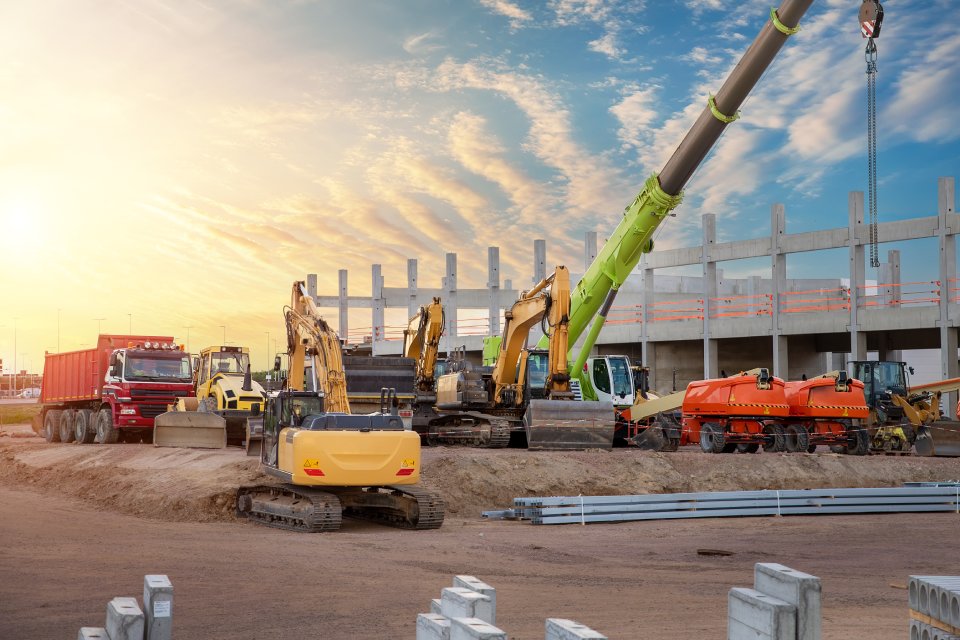
Asheboro, North Carolina, is in the midst of a notable expansion within its commercial construction sector. With increasing investments and the arrival of major employers, the region is fast becoming a hub of activity for new developments and facility upgrades. As new businesses set up operations, there is growing interest in Commercial Buildings that reflect modern standards and efficiencies. This uptick in commercial real estate projects is shaping the local economy and infrastructure.
Alongside these advancements, city leaders and construction professionals are working to accommodate both population growth and the need for contemporary workspaces. The influx of capital and projects is also attracting attention from investors and industry observers. With a direct impact on job availability and local business services, the commercial construction trajectory promises to be a key influence on Asheboro’s future.
Given the wide range of new developments, planners must take careful steps to ensure both timelines and budgets are met despite industry pressures. Coordinated efforts to streamline permitting, encourage sustainability, and partner with local workforce initiatives are all essential. For comprehensive planning and execution needs, Commercial Site Development services are becoming an integral part of the construction process in Asheboro and neighboring regions.
While large-scale investments capture headlines, the foundation of sustainable growth relies on how well developers and city officials address long-term challenges. This environment also highlights the importance of adaptability within both design and construction approaches, all while balancing community needs and economic goals.
Major Investments Driving Growth
Recent announcements have spotlighted Asheboro as the site of strategic investments by major companies. In late 2025, Environmental Air Systems committed $20 million to open a sophisticated sub-assembly production plant, expected to create 300 jobs for local residents. This facility is designed to serve high-value industries, including pharmaceuticals, data centers, and semiconductor manufacturing, solidifying Asheboro’s place on the map for advanced manufacturing. Companies making these commitments are betting on the city’s infrastructure and workforce potential to meet their production and logistical needs.
The momentum continued in April 2025 when Gillespie Precast revealed plans to build a $10 million manufacturing plant. This facility will produce precast concrete elements used in a variety of industrial and municipal projects, from underground utility structures to roadway culverts. The impact of these investments is already being felt, with dozens of new jobs and a ripple effect on local suppliers and contractors.
Challenges in the Construction Industry
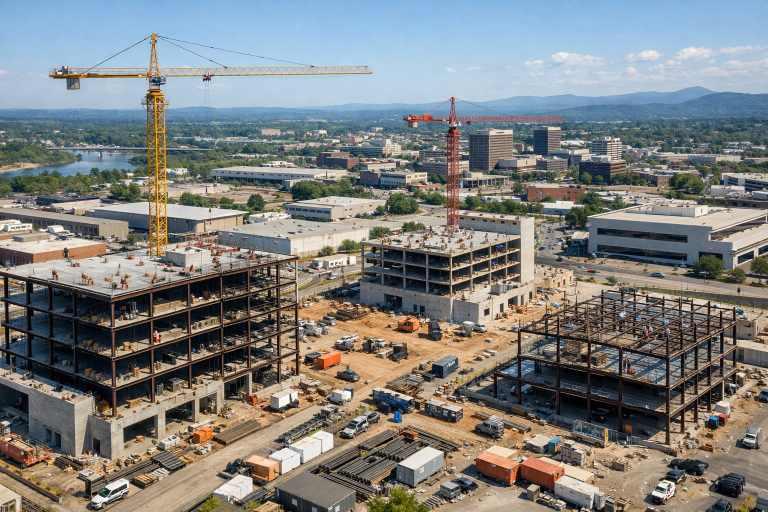
Despite this robust growth, the construction industry in Asheboro faces several headwinds. Elevated interest rates are causing some project owners to reevaluate budgets and timelines. When borrowing costs rise, developers may delay breaking ground or re-phase work into smaller, more achievable segments. Additionally, ongoing tariffs and fluctuating global supply lines have resulted in significantly higher material costs for essentials like steel, copper, and concrete. This uncertainty complicates financial planning for both public and private projects.
Labor shortages present another challenge for the local industry. As demand for skilled tradespeople grows, so do wages and competition for experienced workers. According to analysis by the Associated General Contractors of America, these shortages are a nationwide issue, driving up costs and leading to longer project timelines across many sectors.
Innovative Construction Methods
To offset these challenges and stay competitive, contractors and developers in Asheboro are increasingly turning to cutting-edge construction approaches. Steel building construction is becoming more prevalent due to its durability, cost-effectiveness, and design flexibility. The high strength-to-weight ratio of steel allows for spacious, open-plan interiors, which are highly sought after in new office and warehouse spaces. Other innovations include the integration of modular assembly techniques, which shorten build times by moving parts of the project off-site to controlled environments.
Digital construction management tools are also playing a greater role in project coordination and cost control. These tools encourage transparency, facilitate collaboration among multiple project partners, and improve the accuracy of material orders and delivery timelines. As adoption spreads, expectations for project efficiency and sustainability continue to increase.
Workforce Development Initiatives
Recognizing the need for a steady pipeline of skilled workers, Asheboro’s educational institutions and workforce groups are launching new initiatives. Local high schools and community colleges have expanded vocational and technical programs focused on modern construction trades. These programs are designed to align student skills with market needs, while providing clear pathways to well-paying jobs in both construction and advanced manufacturing.
Partnerships between industry and education sectors are also creating apprenticeship and on-the-job training opportunities. By connecting employers with prospective talent early in the educational process, Asheboro aims to mitigate the effects of labor shortages while increasing the attractiveness of construction careers for young people.
Future Outlook
The outlook for Asheboro’s commercial construction market remains optimistic. Continued investment by established firms, the adoption of new building technologies, and strategic workforce development promise sustained momentum. However, economic headwinds such as persistently high interest rates, volatile materials pricing, and competition for skilled workers must be navigated carefully.
As communities and companies adapt to these realities, the focus will remain on resiliency, flexibility, and the ability to innovate. Regional growth in adjacent sectors like logistics, warehousing, and site development will continue to shape the greater Asheboro area for years to come.
Conclusion
Asheboro’s commercial construction sector displays a dynamic mix of growth, innovation, and adaptation. Backed by major investments and proactive local policies, the industry is redefining the city’s landscape while providing meaningful opportunities for both workers and businesses. Embracing the latest construction methods, investing in workforce training, and supporting thoughtful commercial development will ensure Asheboro’s continued progress as a thriving regional center.