
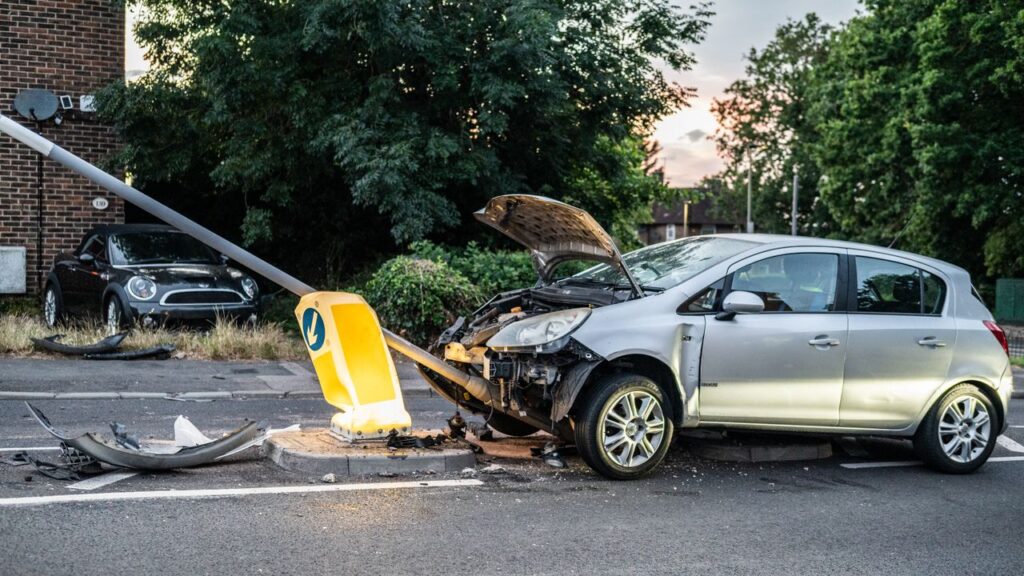
An aggressive driving crash can leave more than visible damage to the vehicle. Plus, evidence can disappear as cars move, memories shift, and digital records expire. The first hours often determine whether a claim clearly shows a dangerous maneuver, road position, or escalating conduct. A calm plan for effective evidence preservation protects facts without provoking another confrontation. Drivers should focus on what to document, secure, and report to protect evidence after a road rage collision.
Aggressive driving often begins with a perceived slight, then escalates through speeding, following too closely, blocking, or threats. That pattern matters because a crash investigation examines conduct before impact, not only the final contact between vehicles. Readers seeking background on the behavioral forces behind road rage can review legal resources like Auger & Auger before documenting the incident’s visible and digital evidence.
Secure the Scene Without Escalating
Call 911 and tell the dispatcher that an aggressive driver caused or followed the collision. Give the location, vehicle descriptions, direction of travel, injuries, threats, and whether anyone has a weapon. Stay inside a locked vehicle when the other driver remains hostile, unless an immediate danger requires evacuation.
If traffic blocks the roadway and it’s safe to move the vehicles, photograph their positions first. Capture lane markings, traffic signals, signs, weather conditions, lighting, skid marks, debris, and sight obstructions. Do not chase the other driver or create a second confrontation while trying to obtain a license plate.
Capture the Physical Evidence
Take wide photographs showing the entire scene, then capture close-up images of every damaged area. Photograph broken lights, paint transfer, tire marks, deployed airbags, cracked glass, and loose vehicle parts. Include images of nearby road features that help explain speed, spacing, direction, or a sudden lane change.
Photograph injuries as soon as practical, then seek medical care. Medical records should describe symptoms, treatment, affected body areas, and the provider’s instructions. Keep discharge papers, prescriptions, bills, work absence records, and receipts in one location.
Do not wash, repair, discard, or sell a damaged vehicle before properly documenting its condition. If towing or storage is necessary, keep every receipt and record the vehicle’s location. A repair shop should receive written instructions to preserve damaged parts until an inspection occurs.
Preserve Digital and Witness Evidence
Save dashcam footage in its original format and create a separate backup. Record the camera’s date and time settings because an incorrect clock can affect the sequence. Do not edit, crop, add captions, or repeatedly overwrite the memory card before preserving the original file.
Ask witnesses for their names and phone numbers, then write down where each person stood and what each person observed. Record their words as closely as possible, without asking them to adopt a conclusion about fault. Witnesses who saw the driver’s gestures, threats, lane movements, or departure can address conduct that damage photographs cannot show.
Look for nearby security cameras before footage is automatically deleted. A nearby property owner or manager may preserve video after receiving the approximate time, location, and direction of travel. Make the request promptly, and keep a record of who you contacted and when.
Build a Precise Incident Timeline
Write a timeline while memories remain fresh. Include the minutes before the crash, the first aggressive act, vehicle movements, horn use, gestures, spoken threats, impact, and the driver’s conduct afterward. Note traffic conditions and the locations of every vehicle involved.
Keep the police report number and request the information required to obtain the report. Tell responding officers about threats, deliberate braking, tailgating, attempted contact, property damage, or a driver who fled. A report that records the full sequence gives later reviewers more context than a description of vehicle damage alone.
Preserve threatening texts, direct messages, emails, or social posts connected to the incident. Save screenshots that show dates, usernames, and the complete conversation, but retain the original messages when possible. Do not reply with threats or insults because new messages can create confusion about who escalated the exchange.
Organize Claim and Repair Records
Create a dated folder for photographs, video, medical records, police information, towing documents, repair estimates, insurance correspondence, and witness contacts. Keep original files separate from notes or copies. A simple index helps identify two crucial things:
- What each file shows
- When it was created
Before giving a detailed recorded statement, ask the insurance company what information it needs and consider legal advice. Do not guess about speed, distance, injuries, or the other driver’s intent. Accurate uncertainty is safer than a confident estimate that later conflicts with photographs or video.
Conclusion
The first response after an aggressive driving crash should protect safety, preserve the scene, and record the driver’s conduct before memories fade. Call 911, photograph vehicle positions, save original video, collect witness details, and document medical care without confronting the other driver.
Keep every record in a dated folder and avoid repairs that destroy physical evidence. A prompt review with a qualified legal professional can help determine which evidence supports the claim and what should happen next.