
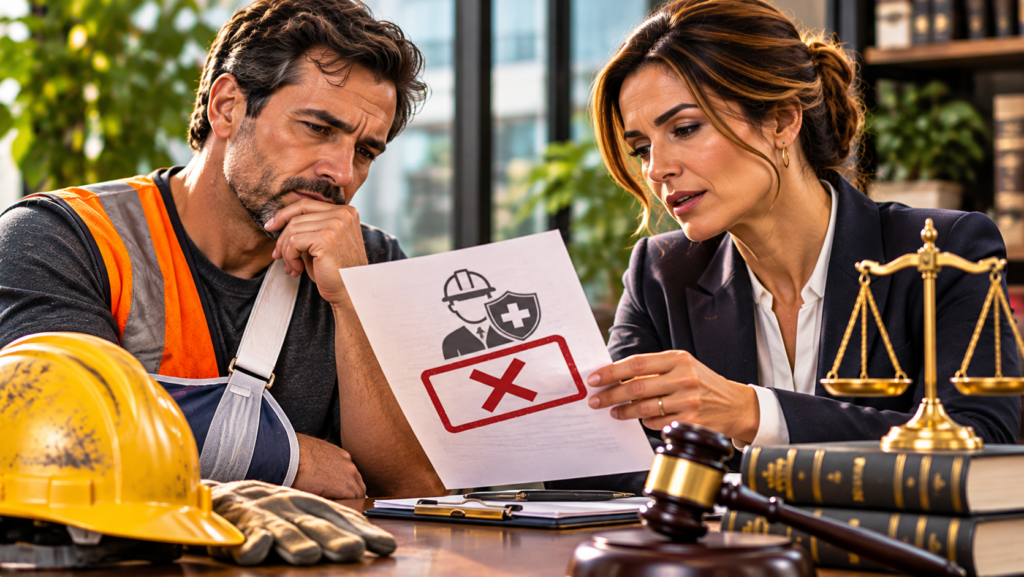
A serious workplace injury creates medical bills, lost wages, and insurer pressure. The claim also depends on evidence that can disappear quickly, including incident reports, surveillance footage, safety records, and witness memories. A trial-ready injury firm prepares every case as if it will go to trial. That preparation can strengthen negotiations, protect the injured worker’s rights, and give decision-makers a clear record of liability. The differences begin with how the legal team investigates the injury.
Evidence Gets Collected Before It Disappears
A workplace injury claim requires more than medical records. Investigators must examine the worksite, identify unsafe conditions, preserve equipment, and obtain records showing how the incident happened.
Injured workers new to the legal process should consider professional support. The legal team from Wettermark Keith is widely recognized for its extensive legal knowledge and experience. Attorneys can preserve photographs, employment records, incident-evidence reports, witness statements, and medical documentation before they become harder to obtain. A prompt investigation also identifies inconsistencies in an employer’s account and uncovers evidence that an insurer may overlook.
Witnesses often remember the event differently after several months. A written statement taken soon after the injury captures details about lighting, training, equipment, warnings, and workplace conduct. Physical evidence also matters because repairs, cleanup, or replacement can change the condition that caused the accident.
Liability Gets Tested from Every Angle
Employers, contractors, property owners, equipment manufacturers, and other parties can share responsibility for a workplace injury. The responsible party depends on the facts, contracts, safety duties, and conduct connected to the incident.
A trial-ready firm examines all potential sources of liability instead of accepting the first explanation. Attorneys review safety policies, inspection records, maintenance logs, training materials, and communications about known hazards. They also compare these records with workers’ on-the-job experiences.
This process helps distinguish a well-supported defense from an unsupported denial. If an employer blames worker error, the evidence can show whether the worker received proper training, usable equipment, and clear instructions. If an insurer disputes the accident, medical records and witness accounts can connect the injury to the workplace event.
Medical Proof Supports the Claim
Injury cases often turn on the connection between the accident and the worker’s current medical condition. Medical evidence must explain the diagnosis, treatment, limitations, expected recovery, and effect on future work.
A prepared legal team obtains complete records instead of relying on a brief summary. The records can include emergency treatment, specialist evaluations, imaging, therapy notes, prescriptions, and work restrictions. Attorneys also document how the injury affects the worker’s daily tasks and employment duties.
Future losses require careful documentation. A worker might need additional treatment, reduced hours, vocational training, or a different occupation. Medical opinions and employment records help calculate those losses without relying on speculation.
Negotiation Reflects Trial Preparation
Insurance companies assess a claim’s quality before making a settlement proposal. A file with organized evidence, clear liability theories, and documented damages puts the injured worker in a stronger negotiating position than a claim supported by medical bills alone.
Trial preparation also limits avoidable concessions. Attorneys identify weaknesses before the insurer raises them, test witness testimony, and develop responses to arguments about fault or pre-existing conditions. This gives the injured worker a realistic assessment of the claim’s value.
Settlement remains possible, but preparation keeps the decision informed. A worker can compare an offer with documented medical expenses, wage losses, future needs, and the risks of continued litigation. The firm’s readiness for trial gives the worker more control over that decision.
Courtroom Readiness Changes Case Strategy
Some claims require testimony from medical professionals, safety specialists, economists, or vocational professionals. Each witness must connect technical information to the facts of the injury and explain the consequences in clear language.
A trial-ready firm prepares exhibits, deposition questions, timelines, and witness examinations well before filing deadlines approach. This preparation also exposes missing evidence early, when the legal team still has time to address it.
The courtroom standard affects work performed outside the court. Attorneys must prove facts through admissible evidence, establish a reliable damages record, and anticipate objections. This may help improve the quality of settlement discussions because both sides understand the proof available at trial.
The Worker Needs a Clear Process
Injured workers often face treatment decisions, employer communications, insurance requests, and financial strain at the same time. A clear legal process reduces confusion and protects deadlines that affect the claim.
The worker should preserve medical records, follow treatment instructions, keep records of work restrictions, and avoid discussing the claim publicly. Communications with insurers should be focused because recorded statements can later affect liability or damages.
A trial-ready firm explains the next steps, identifies requested documents, and tracks the claim’s progress. This structure helps the worker focus on recovery while the legal team develops the evidence.
Conclusion
Hiring a trial-ready injury firm can strengthen a claim long before it reaches the courtroom. Early investigation preserves evidence, medical documentation supports future loss calculations, and disciplined preparation helps evaluate every potential liability theory. The next step should be to schedule a prompt case review, bring medical records and employer communications, and describe exactly how the injury occurred. A timely review helps preserve evidence, identify responsible parties, and determine whether settlement discussions reflect the claim’s documented value.