
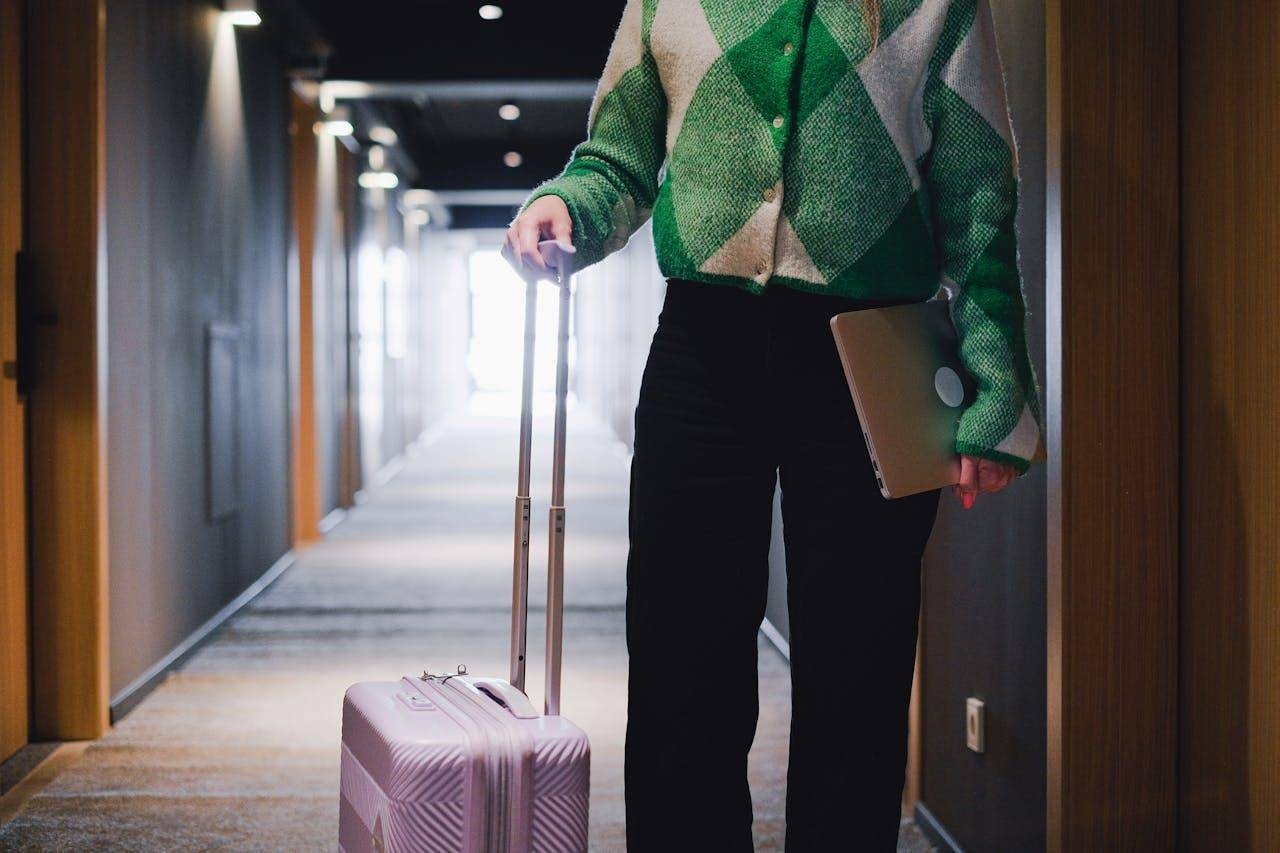
The first time you travel for work is an exciting experience. Discovering new locations through regular, daily activities can make them feel exciting and fresh. However, the distinction between work duties and personal time becomes increasingly difficult to maintain after repeated business trips. When the schedule of your days consists of nonstop meetings, flights, and deadlines that consume all your time, evening and weekend hours vanish without notice. The body loses its balance without meaning to. Balancing personal life and career while traveling for work is not about doing everything perfectly. It’s about picking functional choices that help you stay stable, keep social connections, and work at peak performance, all while avoiding burnout.
Understanding the Real Challenge of Work Trips
Work-related travel creates its own special range of challenges. Time zones disrupt sleep. The combination of extended airplane travel and new surroundings leads to changes in your energy levels. Your attempt to complete all tasks before returning home makes your workday extend well into the night. Finally, when on work trips, people tend to abandon their personal routines like exercise, healthy meals, and family time. Mostly, they also feel the pressure to make the most of their trip by visiting every tourist spot. The combination of all of these things can lead to burnout.
Setting Clear Boundaries While on the Road
Work travel protection for your personal life becomes most effective when you establish boundaries before your trip. You need to determine your work hours, which should match your home schedule, even though your daily routine at work will be different.
Make sure to schedule time for eating, resting, and taking brief walks when possible. The breaks should be short in duration because they function as momentary pauses, helping you regain your concentration. Moreover, inform your colleagues about your schedule. This will help them understand your work hours from the beginning and know when they can contact you.
In the end, the process of creating boundaries does not require you to work less. Instead, this method enables you to sustain your productivity because traveling demands extra physical and mental work from your body.
Maintaining Personal Routines Away From Home
Establishing routines provides stability during times when all other aspects of life transform. So, try to replicate your home routine or at least parts of it while traveling. For instance, instead of your typical morning workout, you should at least do a short hotel room workout or take a brief walk outside your room. Bring a book or dedicate ten minutes to writing and journaling before you sleep. These daily routines can bring you a feeling of comfort while helping you maintain some level of control in your life. At the end of the day, learning how to balance your personal life while traveling for work is very similar to the way you should handle relocating while working. While it’s not easy, the best way to go about it is to change as little as possible about your daily routines.
However, the issue during work trips often comes from the food. People who travel for work tend to eat most of their meals at restaurants because they cannot prepare their own food. A good way to still stay in control and make improvements is to store healthy snacks in your room or pick lighter options between big meals.
Staying Connected With People Who Matter
Being physically away doesn’t have to mean being emotionally disconnected. People who want to feel normal should schedule regular meetings with their family members, friends, and romantic partners. Scheduling calls in advance can be helpful, especially across time zones. Even short conversations can help reduce loneliness. However, the important thing to note is that you have to be absolutely 100% present during these calls. Don’t take calls while performing multiple tasks. Instead, focus on the other person alone. The short period of attention that people give to each other leads to stronger connections between them.
Protecting Your Mental and Physical Health
Traveling multiple times throughout the year creates health problems that can affect both body and mind if you fail to address these issues. The combination of disrupted sleep and stress of the trip, together with insufficient physical activity, creates cumulative effects throughout the years.
Your decision to prioritize sleep will produce the most significant positive change in your life. Moreover, avoid eating dinner late and reduce your screen usage during bedtime hours.
Mental health requires the same level of attention as physical health to achieve proper treatment. You need to start taking action right away when burnout symptoms appear. Look out for signs of increased irritability, ongoing fatigue, and disappearing motivation. Sometimes, the best answer might involve adjusting your work responsibilities or taking days off after your trip.
Redefining Productivity While Traveling
Productivity on the road doesn’t always look the same as productivity in the office. Travel days are inherently less efficient, and expecting otherwise sets you up for frustration. Instead of focusing on how much you’re doing, focus on what actually needs to be done. You should perform your most demanding work during your most energetic periods because this approach allows you to reserve less challenging tasks for when your energy levels are lower. Moreover, let go of your feelings of guilt before you can start creating new definitions of what makes you productive—resting and recovering stand as essential components for achieving job excellence and balancing personal life and career while traveling for work.
Creating a Long-Term Balance Strategy
Short trips are one thing, but ongoing travel requires a long-term approach. You need to determine which activities from your travels affect your daily routine so you can make changes to your behavior when needed. Do particular travel routines cause you greater fatigue? Do you perform specific activities throughout your day that create feelings of stability? These findings will help you determine how to achieve balance. The state of equilibrium exists in a constant state of change. The way people view their work changes when their job duties and their life goals shift. Staying aware and flexible allows you to adapt without losing yourself in the process.
Final Thoughts
The process of balancing personal life and career while traveling for work does not require establishing an ideal organizational method. Traveling can help you build your professional career while showing you new things. However, you should never forget to maintain your wellness and preserve your close bonds with others. This way, you can create a work life that follows your movements through proper planning while keeping goals achievable.