
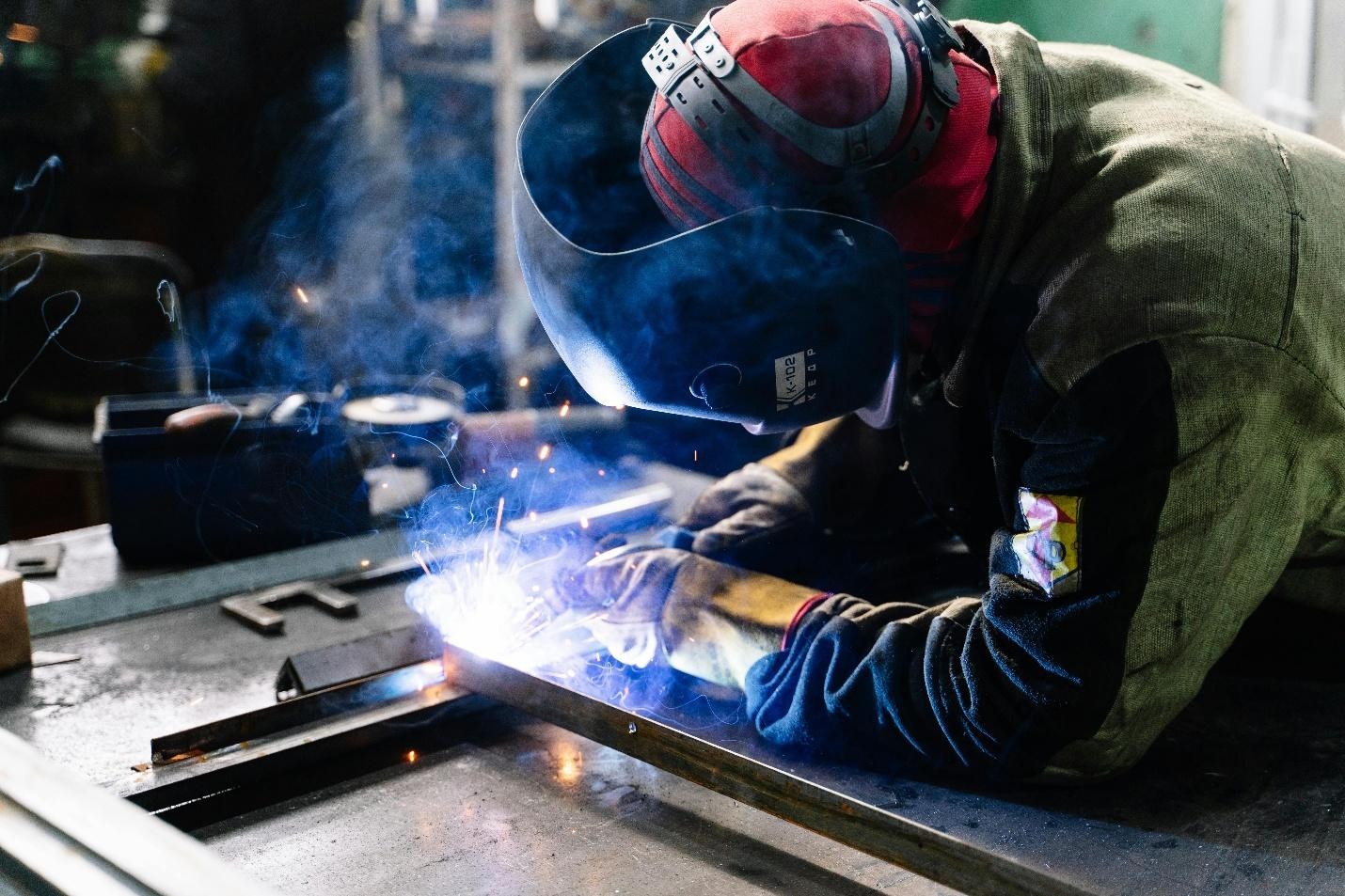
Welding is an essential process in countless industries, but it comes with inherent risks—particularly exposure to fumes, dust, and airborne contaminants. These hazards can compromise worker health and safety if not properly managed. Portable extractors have become a practical solution for maintaining clean air in welding environments, offering flexibility and efficiency without the need for permanent installations. Understanding their best uses can help businesses optimize safety and productivity.
Improving Air Quality in Confined Spaces
One of the most common applications for portable extractors is in confined or hard-to-reach areas. Welding in tight spaces, such as inside tanks, ship hulls, or structural frameworks, often limits ventilation options. Portable extractors can be positioned close to the welding source, capturing fumes before they disperse into the breathing zone. This localized approach significantly reduces exposure to harmful substances like hexavalent chromium and manganese, which are common in welding fumes. By improving air quality in these challenging environments, portable extractors help meet OSHA standards and protect worker health.
Supporting Temporary or Mobile Workstations
Not all welding tasks occur in a fixed location. Construction sites, repair jobs, and field projects often require mobility and adaptability. Portable extractors are ideal for these scenarios because they can be easily transported and set up wherever needed. Their compact design and adjustable arms allow welders to maintain proper fume control without sacrificing efficiency. For companies that handle diverse projects, investing in portable extraction units ensures compliance with safety regulations while avoiding the cost and complexity of installing permanent ventilation systems at multiple sites.
Enhancing Productivity in High-Volume Welding Shops
In busy fabrication shops, multiple welders may work simultaneously on different projects. While centralized ventilation systems provide general air filtration, they may not capture fumes at the source effectively. Portable extractors complement these systems by offering targeted extraction for individual workstations. This dual approach minimizes airborne contaminants, reduces cleanup time, and creates a healthier environment that supports sustained productivity. When combined with other safety measures, portable extractors help maintain consistent air quality even during peak workloads.
Integrating with Specialized Equipment for Added Safety
Portable extractors can also be paired with advanced safety equipment to maximize their effectiveness. A wet collector downdraft table can be used alongside portable extraction units to capture sparks, dust, and fumes during grinding or welding operations. This combination not only improves air quality but also reduces fire hazards by neutralizing combustible particles. Such integrated setups are particularly valuable in industries where both welding and metal finishing occur in close proximity, ensuring comprehensive protection for workers and equipment.
Meeting Compliance and Sustainability Goals
Regulatory compliance is a top priority for any welding operation. Portable extractors help businesses meet air quality standards by providing reliable fume control without extensive infrastructure changes. Additionally, many modern units feature energy-efficient designs and reusable filters, aligning with sustainability initiatives. By reducing airborne pollutants and minimizing environmental impact, portable extractors support both worker safety and corporate responsibility goals.
Conclusion
Portable extractors are a versatile and cost-effective solution for managing welding fumes in a variety of settings. From confined spaces and mobile workstations to high-volume shops and integrated safety systems, these units play a critical role in protecting workers and maintaining compliance. By incorporating portable extractors into your welding operations, you can create a safer, cleaner, and more productive environment—one that prioritizes health without compromising efficiency.