
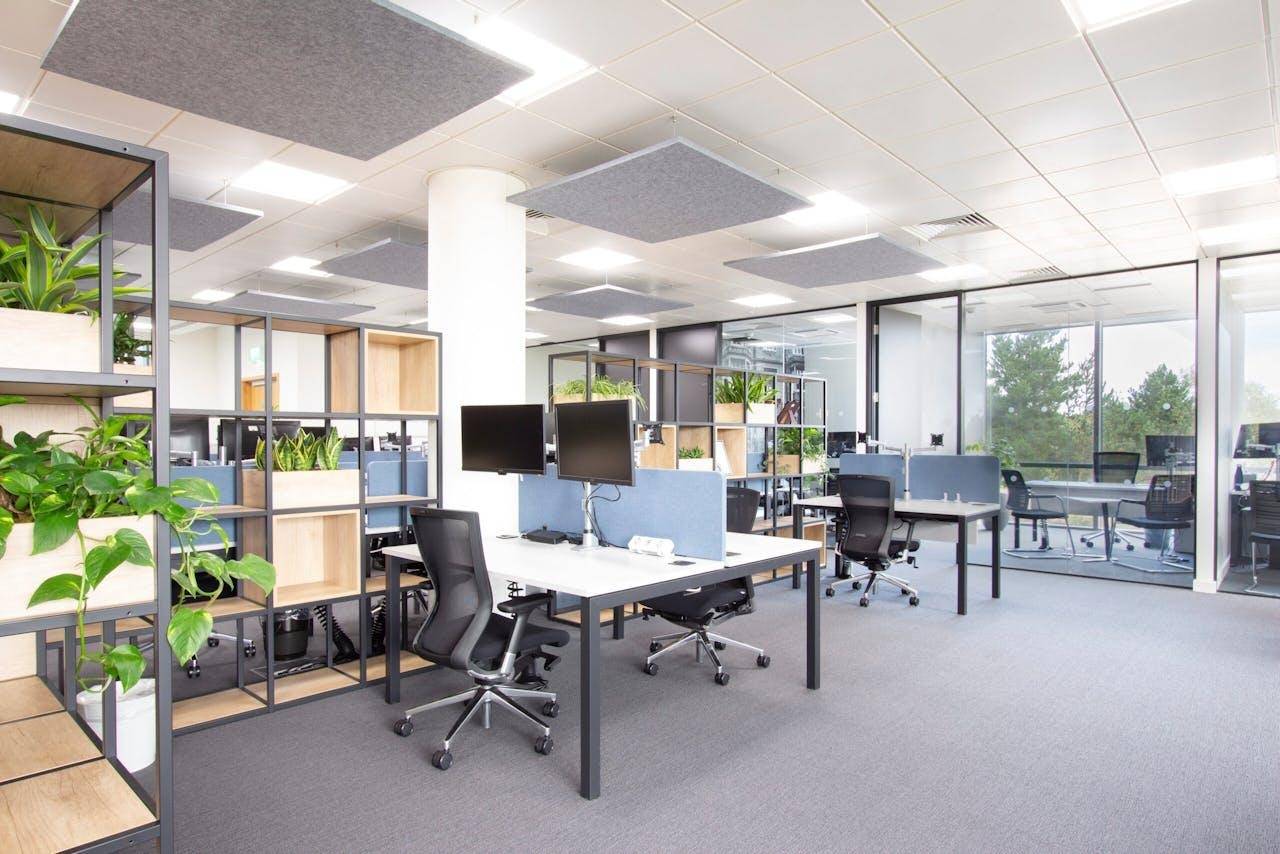
The modern office has changed dramatically over the past few decades. Workspaces have become more flexible, more digital, and often more compressed. Yet one thing has remained constant: people still spend long hours indoors, surrounded by screens, artificial lighting, and hard surfaces. In response, many organizations and individuals are rediscovering a simple but powerful idea—bringing nature back into the office.
Greenery is no longer viewed as a decorative extra. Plants, natural textures, and biophilic design elements are increasingly recognized for their impact on mental well-being, focus, and overall morale. Whether in a corporate office, home workspace, or shared environment, nature-inspired design can subtly but meaningfully improve how people feel and function at work.
Why Nature Matters in Work Environments
Humans are inherently drawn to natural environments. This connection, often described as biophilia, reflects the way natural elements help regulate stress, attention, and emotional balance. When people are cut off from nature for extended periods, fatigue and irritability can increase.
Office environments amplify this effect. Constant notifications, artificial lighting, and visual clutter place ongoing demands on attention. Introducing greenery helps counterbalance these stressors. Even small natural elements—such as potted plants or natural color palettes—can create a sense of calm and visual relief.
Nature does not need to dominate a space to be effective. Strategic placement is often enough to soften the environment and make it feel more human-centered.
The Impact of Greenery on Focus and Cognitive Performance
One of the most compelling benefits of office greenery is its effect on focus. Studies consistently show that exposure to natural elements can improve concentration and reduce mental fatigue. In practical terms, this means fewer distractions and a greater ability to stay engaged with tasks.
Plants provide a gentle visual anchor that allows the brain to rest without disengaging completely. This restorative effect supports sustained attention, particularly during long work sessions. Employees and remote workers alike often report feeling less drained in spaces that include natural features.
Greenery can also improve spatial perception. Offices that feel softer and more balanced tend to reduce overstimulation, making it easier to prioritize and process information.
Boosting Morale Through Healthier Spaces
Morale is shaped by more than workload and compensation. The physical environment plays a quiet but powerful role in how people experience their workday. Offices that feel sterile or purely functional can unintentionally signal that comfort and well-being are secondary concerns.
Adding greenery sends a different message. It suggests care, intention, and attention to human needs. This can positively influence how people feel about their workplace, fostering a sense of belonging and appreciation.
Plants also introduce a sense of life and growth into environments that might otherwise feel static. This subtle symbolism can contribute to a more optimistic atmosphere, particularly during demanding periods.
Beyond Plants: Expanding the Definition of Green Design
While live plants are the most common form of office greenery, biophilic design extends beyond them. Natural materials such as wood, stone, and cork contribute warmth and texture. Color palettes inspired by nature—greens, earth tones, and soft neutrals—reinforce the same calming effect.
In some offices, maintenance or lighting constraints make live plants challenging. In these cases, alternative solutions can still support the connection to nature. For example, green walls, nature-inspired artwork, or durable surfaces that evoke outdoor spaces can provide similar benefits.
In certain regions, businesses exploring solutions like artificial grass installation in San Jose do so as part of a broader effort to introduce greenery without high water or maintenance demands. Used thoughtfully, these materials can complement live plants and natural textures while aligning with sustainability goals.
Greenery and Workplace Sustainability
Bringing nature into the office also intersects with sustainability efforts. Plants can improve indoor air quality by reducing certain pollutants and increasing humidity, which may enhance comfort. Natural light paired with greenery can reduce reliance on harsh artificial lighting.
Sustainable office design often focuses on efficiency, but well-being is an important part of long-term sustainability. Workspaces that support mental health reduce burnout, absenteeism, and turnover, contributing to healthier organizational ecosystems.
Choosing low-maintenance plants, durable materials, and region-appropriate solutions ensures that green design supports both people and environmental responsibility.
Practical Ways to Integrate Greenery into Any Office
Incorporating nature into the office does not require a full redesign. Small, intentional changes can have a noticeable impact. Desk plants, shared planters, or window-adjacent greenery are simple starting points.
For home offices, greenery helps create a boundary between work and personal life. A dedicated plant or natural feature can visually anchor the workspace, making it feel distinct yet comfortable.
The key is consistency rather than abundance. A few well-placed elements often work better than overcrowding the space. Thoughtful integration ensures that greenery enhances rather than distracts.
Conclusion
Bringing nature into the office is about more than aesthetics. Greenery supports mental well-being, improves focus, and lifts morale in environments where people spend much of their time. Whether through live plants, natural materials, or innovative low-maintenance solutions, nature-inspired design helps create workspaces that feel healthier and more humane.
As offices continue to evolve, prioritizing well-being alongside productivity is no longer optional. By reintroducing elements of the natural world, workplaces can become spaces where people feel calmer, more focused, and more connected—benefits that extend far beyond the office walls.