
Key Takeaways
- Adopting advanced technologies like AI and thermal energy storage can significantly improve HVAC efficiency.
- Integrating renewable energy sources and smart building systems enhances overall energy performance.
- Regular maintenance and system upgrades are essential for sustained energy savings.
Energy efficiency in commercial HVAC systems has become a critical focus for building owners and facility managers seeking to reduce costs and demonstrate environmental responsibility. Innovative approaches are transforming how commercial properties manage heating, ventilation, and air conditioning, offering significant improvements in both energy performance and occupant comfort. With advanced technologies and new strategies, making the right choices in commercial HVAC installation and management can deliver substantial returns on investment while supporting sustainability objectives.
Modern commercial buildings face increasing pressure to reduce energy consumption and carbon footprints. Embracing forward-thinking solutions in HVAC system design and operation is vital for businesses seeking to stay competitive, minimize operational disruptions, and comply with regulations. By leveraging recent advancements such as AI analytics and thermal energy storage, facilities can optimize their heating and cooling efforts for maximum efficiency and cost savings.
Smart integration doesn’t stop at upgrading individual HVAC components. Transitioning to holistic, connected systems enables predictive maintenance, demand-driven operations, and resource optimization. These innovative strategies help ensure reliable performance during extreme weather events, enhance air quality, and reduce utility bills. Planning for the unexpected is also crucial; quick access to emergency HVAC support helps keep operations running, especially in mission-critical environments such as hospitals and data centers.
As organizations invest in efficiency-boosting measures, they create healthier indoor spaces and reduce the transmission of airborne contaminants, supporting employee wellness while slashing energy waste. Below are some of the most effective practices shaping the future of commercial HVAC energy management.
Leveraging AI for Optimized HVAC Performance
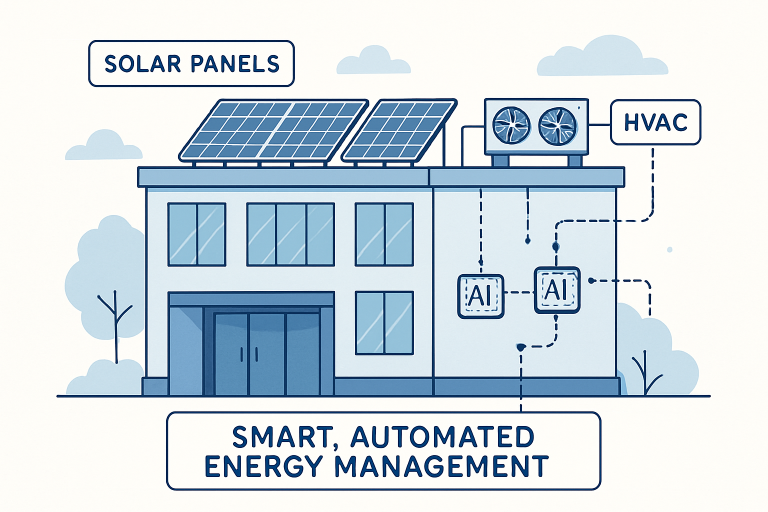
Artificial intelligence (AI) is fundamentally changing commercial HVAC operations. By analyzing real-time data and historical patterns, AI-enabled controls can anticipate occupancy, automatically adjust cooling and heating loads, and flag maintenance needs before equipment failures. This technological leap not only minimizes operational interruptions but also fine-tunes energy consumption according to building usage and weather fluctuations.
For example, smart AI systems deployed in corporate campuses and malls adjust ventilation, temperature, and humidity on a zone-by-zone basis, improving comfort and decreasing energy use. Research published by The New York Times highlights how buildings equipped with these AI “brains” are already delivering measurable reductions in carbon emissions compared to traditional systems.
Implementing Thermal Energy Storage Solutions
Thermal energy storage, specifically ice battery technology, is becoming an attractive solution in large-scale HVAC projects. This method involves freezing water or creating ice during periods of low electricity demand, often overnight, and leveraging stored “coolth” for air conditioning during peak afternoon hours. The process relieves stress on utility grids and enables building owners to capitalize on off-peak energy pricing.
Hospitals, universities, and major tech firms are early adopters of thermal storage solutions, collectively saving millions on their annual energy budgets. According to The Wall Street Journal, facilities that rely on this technology can offset spikes in electrical rates, increase their resiliency during heatwaves, and reduce overall greenhouse gas emissions.
Integrating Renewable Energy Sources
Integrating renewables, such as solar or wind energy, directly into commercial HVAC operations has become more feasible with advancements in on-site generation and storage solutions. Net-zero buildings aim to produce as much energy as they consume, offsetting HVAC energy use with locally generated clean power. System designers strategically match high-efficiency equipment and renewable infrastructure to optimize energy flows throughout the year.
Beyond cost savings, this approach demonstrates corporate commitment to environmental stewardship, future-proofs assets against rising energy prices, and appeals to eco-conscious tenants. As states and municipalities continue to set aggressive renewable targets, making these upgrades ensures compliance while maximizing available incentives.
Adopting Energy Recovery Ventilation (ERV) Systems
Energy Recovery Ventilation (ERV) systems are essential for commercial buildings seeking to balance comfort, air quality, and energy conservation. ERVs reclaim sensible and latent heat as fresh outdoor air enters the building, pre-warming or pre-cooling incoming air by transferring energy from outgoing exhaust streams. This heat exchange reduces demand on boilers and chillers, ultimately decreasing total system loads.
ERVs are especially beneficial in climates with extreme temperature differences, helping facilities maintain indoor comfort without overspending on energy. Upgrading to these systems can yield rapid payback, particularly in high-occupancy locations like schools, conference centers, and shopping malls.
Utilizing Building Automation Systems (BAS)
Digital building automation has revolutionized how commercial spaces handle HVAC, lighting, and security. Modern Building Automation Systems (BAS) enable integrated, centralized control, leveraging Internet of Things (IoT) sensors to track occupancy, detect changes in air quality, and dynamically adjust system output. With user-friendly interfaces, facilities staff can monitor performance and implement adjustments remotely, streamlining management while reducing energy costs.
Automated systems ensure HVAC responds instantly to environmental changes, turning down ventilation in empty rooms, ramping up filtration if pollutant levels rise, or shifting setpoints based on updated weather forecasts. The collected data is invaluable for benchmarking and driving continuous improvement across property portfolios.
Regular Maintenance and System Upgrades
Preventative maintenance and planned equipment upgrades are essential for ensuring that commercial HVAC systems remain reliable and efficient. Clogged filters, worn belts, failing sensors, and refrigerant leaks can dramatically increase system energy usage and shorten equipment lifespan. Routine inspections and proactive repairs help managers avoid expensive emergency interventions and unplanned downtime.
In addition, upgrading aging chillers, boilers, or air handlers with high-efficiency models drives energy savings and often qualifies for rebates from energy providers and state programs. When emergencies do occur, rapid response is crucial to maintaining operations and protecting sensitive equipment and occupants from discomfort or health risks.
Conclusion
Transforming commercial HVAC systems with innovative practices is key to achieving energy efficiency, sustainability, and operational resilience. The integration of AI, thermal energy storage, renewable energy, energy recovery ventilation, and advanced automation delivers substantial performance gains and cost effectiveness. Regular maintenance and quick access to emergency services ensure that efficiency investments continue paying dividends year after year, supporting a healthy, productive, and environmentally responsible built environment.