
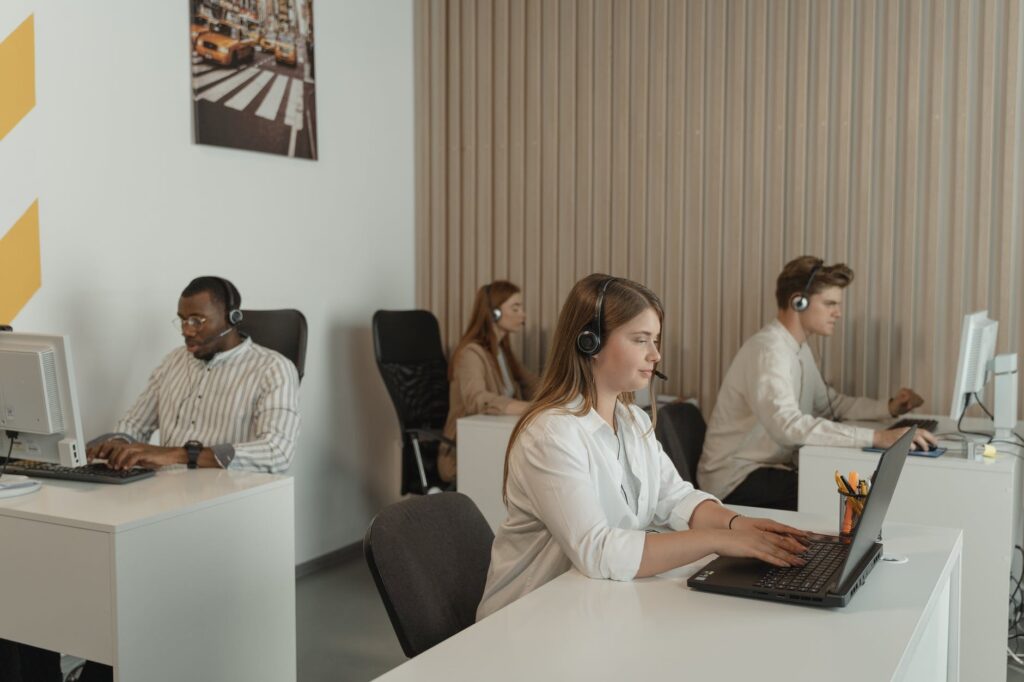
The modern workplace has transformed dramatically from those traditional office layouts that used to prioritize individual workstations over shared spaces. Today’s work environments need to serve a dual purpose: they must provide comfortable areas where employees can dive deep into individual tasks while also creating collaborative zones that spark teamwork and innovation. Getting this balance right requires careful thought about how you arrange space, what furniture you select, how you integrate technology, and what environmental factors you address. When you design work centers that blend comfort with collaboration, you create spaces that genuinely enhance productivity, boost employee satisfaction, and improve how your organization functions overall.
Understanding the Spectrum of Work Activities
Before you design any work center, it’s essential to recognize that modern work includes a remarkably wide range of activities, each requiring different environmental support. Employees constantly shift between deep concentration tasks, collaborative brainstorming sessions, virtual meetings, casual hallway conversations, and creative problem-solving throughout their day. Each type of activity demands its own spatial characteristics, different noise levels, furniture arrangements, and technological resources that match what people are trying to accomplish. Research from the International Facility Management Association reveals that knowledge workers change tasks every 3 to 5 minutes and switch locations about once an hour, which underscores the need for diverse work settings within a single facility.
Creating Ergonomic Foundations for Individual Comfort
Any successful work center starts with ergonomic principles that protect employee health and enable the kind of sustained productivity that organizations need. You’ll want to consider adjustable furniture options that can accommodate different body types, personal work preferences, and varying task requirements as the day progresses. Proper desk heights, supportive seating with solid lumbar support, monitors positioned at eye level, and adequate legroom all work together to create the physical comfort that prevents fatigue and those all-too-common musculoskeletal disorders. Lighting plays just as critical a role here; natural light exposure has been linked to improved mood, better alertness, and higher quality sleep, according to research published in the Journal of Clinical Sleep Medicine.
Designing Collaborative Spaces That Invite Interaction
Collaborative work centers need intentional design choices that remove barriers to interaction while still providing the necessary support for group activities. You should build in a variety of collaboration zones, everything from casual lounge areas perfect for informal conversations to fully equipped conference rooms designed for structured meetings and intensive project work. Flexible furniture arrangements, including mobile whiteboards, modular seating that can be reconfigured on the fly, and tables that adapt to different group sizes, allow teams to transform spaces quickly based on what they’re working on. Visual connectivity between spaces helps create that sense of openness and accessibility while still maintaining defined zones for different noise levels and interaction styles.
Balancing Acoustic Privacy with Open Communication
One of the trickiest aspects of work center design involves managing acoustics to support both concentration and collaboration simultaneously. You need to create acoustic separation between quiet zones and collaborative areas without falling back on traditional enclosed offices that limit transparency and reduce the chance of those chance interactions that often spark innovation. Sound-absorbing materials, acoustic ceiling tiles, wall panels, fabric-wrapped partitions, and specialized flooring help control how noise travels between adjacent spaces. Strategic zoning places high-activity collaborative areas away from focus zones, with transitional buffer spaces like circulation paths, storage areas, or semi-private touchdown spots that naturally absorb sound as it moves between them.
Integrating Technology That Supports Both Work Modes
Technology infrastructure forms the invisible backbone of effective work centers, making those transitions between individual and collaborative work feel seamless and natural. You’ll need to provide robust wireless connectivity throughout all work zones, ensuring employees can work effectively from any spot without hunting for outlets or dealing with frustrating connectivity drops. Display technology in collaborative spaces should support both local presentations and remote participant inclusion, accommodating those hybrid work patterns that have become completely standard in most organizations. For facilities managers who need to integrate technology across multiple work environments, hospitality tv systems provide enterprise-grade display solutions that support both presentation needs and information sharing throughout collaborative zones. Individual work areas benefit from technology that genuinely supports concentration, things like noise-cancelling capabilities, privacy screens, and easy access to digital resources without requiring people to physically move to different locations. Power access throughout the facility eliminates that frustrating moment when device batteries die at exactly the wrong time, and it supports the mobile work patterns that define how knowledge workers operate today. When you integrate technology thoughtfully, it becomes something that enables work rather than creating barriers, supporting both the quiet focus individual tasks require and the dynamic information sharing that’s essential to collaborative work.
Incorporating Biophilic Elements for Wellbeing
Bringing natural elements into work centers addresses fundamental human needs for connection with nature while simultaneously enhancing both comfort and collaborative energy. You can incorporate biophilic design through direct elements like plants, water features, and natural materials, or through indirect elements such as nature-inspired patterns, colors, and textures woven throughout the workspace. Access to views of outdoor environments, even just windows looking out onto courtyards or green walls, has been shown to reduce stress levels and improve cognitive function in measurable ways. Natural materials like wood, stone, and organic fabrics create warmer, more inviting environments that encourage employees to spend time in collaborative areas while also providing the visual interest that supports creativity and problem-solving.
Conclusion
Designing work centers that successfully balance comfort and collaboration demands a holistic approach that treats ergonomics, acoustics, spatial variety, technology, and natural elements as interconnected systems rather than isolated features you can check off a list. You need to recognize that effective work environments support the full spectrum of activities modern employees perform throughout their day, providing appropriate settings for both deep individual focus and those dynamic group interactions where real innovation happens. The work centers that perform best offer genuine choice and flexibility, empowering employees to select locations and configurations that actually match their current tasks and personal work preferences. By investing in thoughtful design that prioritizes both physical comfort and collaborative possibility, you’re creating environments that enhance productivity, support employee wellbeing, and foster the kind of innovation that comes from truly effective teamwork.