
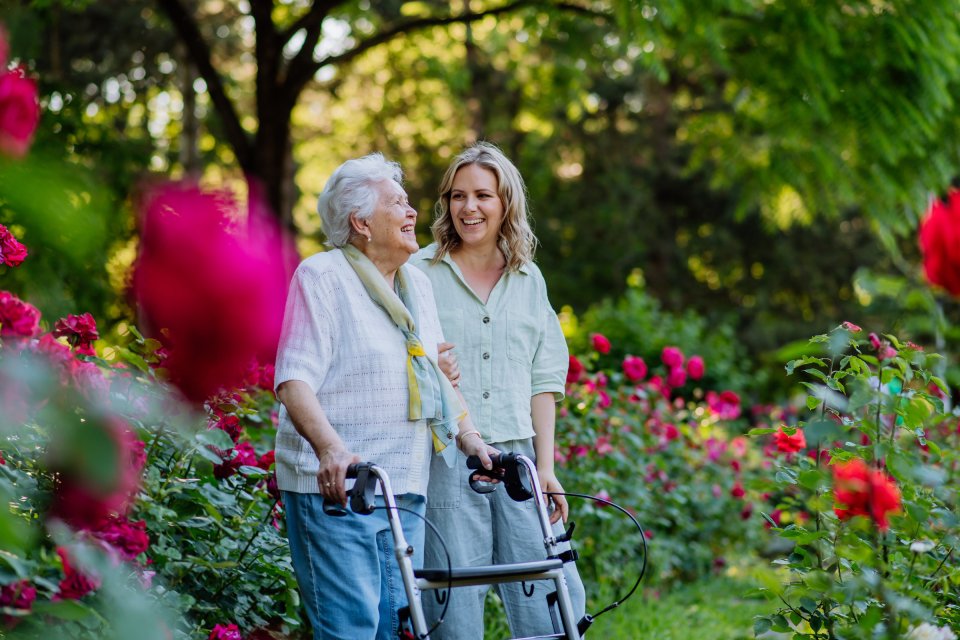
Regular physical activity is one of the most effective ways for older adults to maintain mobility, boost energy, and support overall well-being. In senior living communities, fitness routines are most successful when they are approachable, enjoyable, and easy to integrate into daily life. Whether residents prefer gentle movement or more structured activity, the right blend of routines can support independence, strength, and social connection. By understanding the types of exercises that fit naturally into community life, seniors can create consistent habits that feel rewarding and sustainable.
Start with Low Impact Strength Training
Strength training is one of the most important components of senior fitness. Building muscle helps support balance, protect joints, and maintain independence in daily tasks. Low-impact routines using resistance bands, light hand weights, or even body weight can be highly effective without causing strain.
Many senior communities offer guided classes or open fitness rooms where residents can practice simple strength circuits. Exercises like seated leg lifts, wall pushups, bicep curls, and supported squats help maintain muscle tone and improve stability. Residents can begin with short sessions a few times a week and increase duration as they feel more comfortable. The key is consistency and choosing movements that feel accessible and safe.
Incorporate Flexibility and Mobility Work
Flexibility exercises help reduce stiffness, increase range of motion, and make everyday movements like bending, reaching, or turning more comfortable. Stretching routines, chair yoga, and tai chi are all excellent ways for seniors to enhance mobility while also supporting relaxation and mental focus.
Communities often schedule group mobility classes in the mornings, helping residents start the day with gentle movement. Even simple stretches done independently, such as neck rotations, hamstring stretches, or shoulder rolls, can improve how the body feels throughout the day. Flexibility routines are easy to tailor and can be completed in a few minutes, making them ideal for residents who want manageable daily habits.
Enjoy Regular Walking Opportunities
Walking is one of the most versatile and accessible fitness routines for seniors. It requires no equipment, can be done indoors or outdoors, and easily adapts to different fitness levels. Communities that offer walking paths, landscaped courtyards, or indoor hallways create natural opportunities for residents to stay active.
Residents in communities like Discovery Village Tampa Palms often enjoy walking groups that foster social connection while promoting regular movement. Whether strolling after meals, taking part in group walks, or enjoying gentle morning laps around the property, walking supports cardiovascular health, reduces stress, and enhances mood. The flexibility of choosing pace and duration makes walking a practical everyday routine for many seniors.
Add Cardio Exercises That Feel Comfortable and Fun
Cardiovascular exercise strengthens the heart, increases stamina, and supports healthy weight management. In senior living communities, cardio does not need to be high intensity to be effective. Options such as stationary cycling, water aerobics, and low-impact aerobics classes provide gentle yet meaningful activity.
Pool-based fitness is especially popular among seniors because water supports the joints and reduces pressure on muscles. Communities with aquatic facilities often host guided sessions that combine strength, balance, and cardio in a supportive environment. Even simple activities such as dancing, chair aerobics, or step routines can help residents enjoy cardio in a way that feels light and enjoyable.
Build Balance and Stability into Daily Routines
Balance exercises are essential for reducing the risk of falls and improving confidence in daily movement. Simple routines that focus on stability can be easily incorporated into community life. Activities such as standing heel raises, side leg lifts, or single leg stands (with support available) help strengthen core muscles and improve coordination.
Many communities also integrate balance training into group classes. Whether through yoga poses, guided balance stations, or slow controlled movements, these exercises help residents feel more secure in their movements. Practicing balance regularly can make everyday tasks like stepping off curbs, reaching for items, or navigating uneven terrain much more manageable.
Conclusion
Fitness routines that blend strength, flexibility, cardio, balance, and enjoyable movement can greatly improve the daily lives of seniors in community settings. By choosing approachable activities and making use of community resources, residents can maintain independence, support physical health, and stay socially connected. The most effective routines are those that feel comfortable, consistent, and enjoyable, helping seniors build habits that enhance their wellbeing every day.